
Shopee Analytics Tools That Actually Change How You Sell
Hi, I’m David. I’ve been running my own Shopee store for just over three years now, selling across multiple categories and markets. I’m not an agency, not a “guru,” and definitely not someone who got lucky overnight. Most of what I’ve learned came from losing money first, asking the wrong questions, and slowly figuring out which data actually matters for Shopee sellers.
If there’s one thing I wish I understood earlier, it’s this: Shopee analytics tools are not about looking at your own store. They’re about understanding the market you’re stepping into. Your seller center already tells you your own SKU sales, traffic, and ads. What it doesn’t tell you is what everyone else is doing—and that’s usually where the real answers are.
In this article, I want to talk about how I personally use Shopee analytics tools—specifically a few core features from Shopdora—to solve one of the most common problems sellers face: making decisions with incomplete information. This isn’t theory. It’s the exact logic I use before launching, adjusting prices, or deciding whether a product is worth scaling.

The Real Problem With “Analytics” on Shopee
Most sellers think analytics means dashboards, charts, and lots of numbers. In reality, most Shopee sellers are blind in three critical areas: market size, competition structure, and product lifecycle trends. You can see your own SKU’s performance clearly, but you have no visibility into competitor sales, category-wide growth, or how concentrated a market really is.
Early on, I made decisions based purely on my store data. Sales dropped? I tweaked ads. Conversion fell? I blamed images. Sometimes that worked, sometimes it didn’t. What I didn’t realize was that the market itself had changed. New competitors entered. Price wars started. Demand shifted toward slightly different product variations.
That’s where Shopee analytics tools become useful—not as reporting tools, but as decision filters. And this is exactly where Shopdora fits into my workflow.

Using Market Analysis to Avoid “Dead” Categories
The first Shopdora feature I rely on is Market Analysis. This isn’t about individual products—it’s about understanding whether a category is worth your time in the first place.
Before I even look at specific SKUs, I use Market Analysis to check category-level data like total sales volume, revenue trends, product count, shop count, brand concentration, and growth rate over time. This helps answer questions that Shopee’s backend simply can’t: Is this category growing or shrinking? Is demand spread across many sellers, or dominated by a few big players? Are new products actually gaining traction, or are old listings absorbing most of the sales?
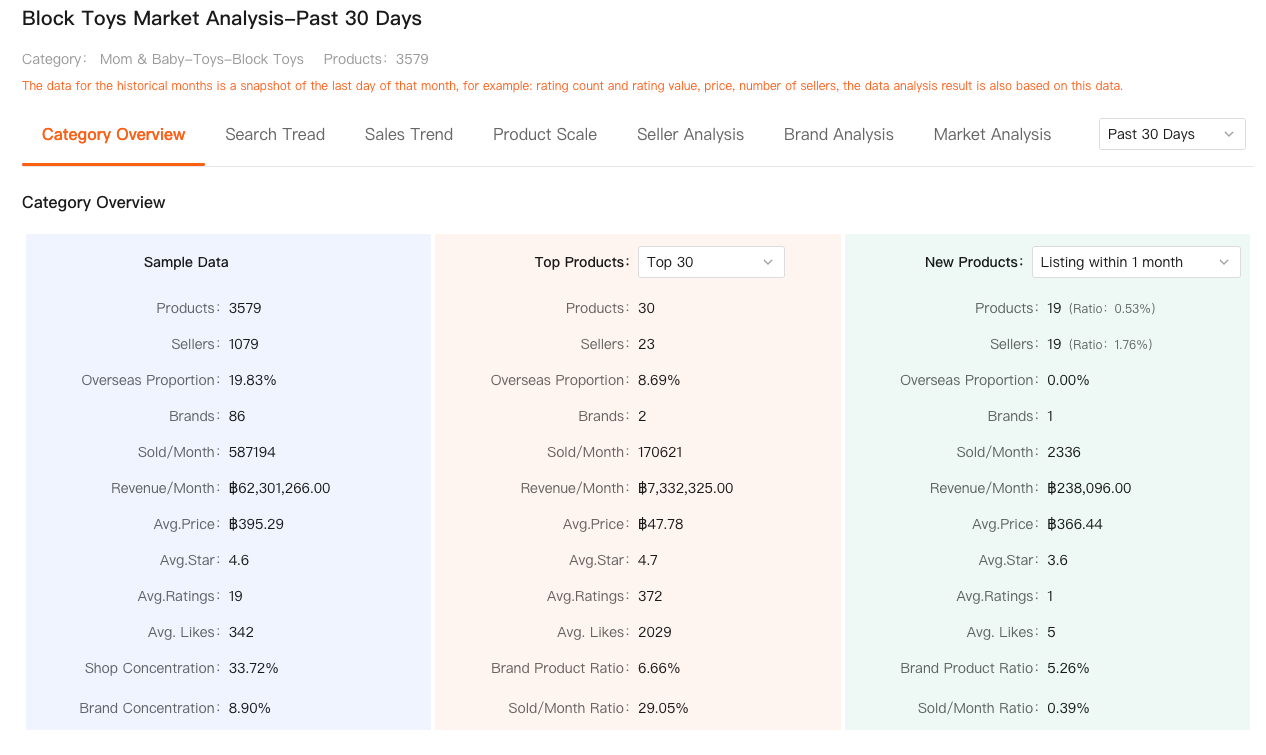
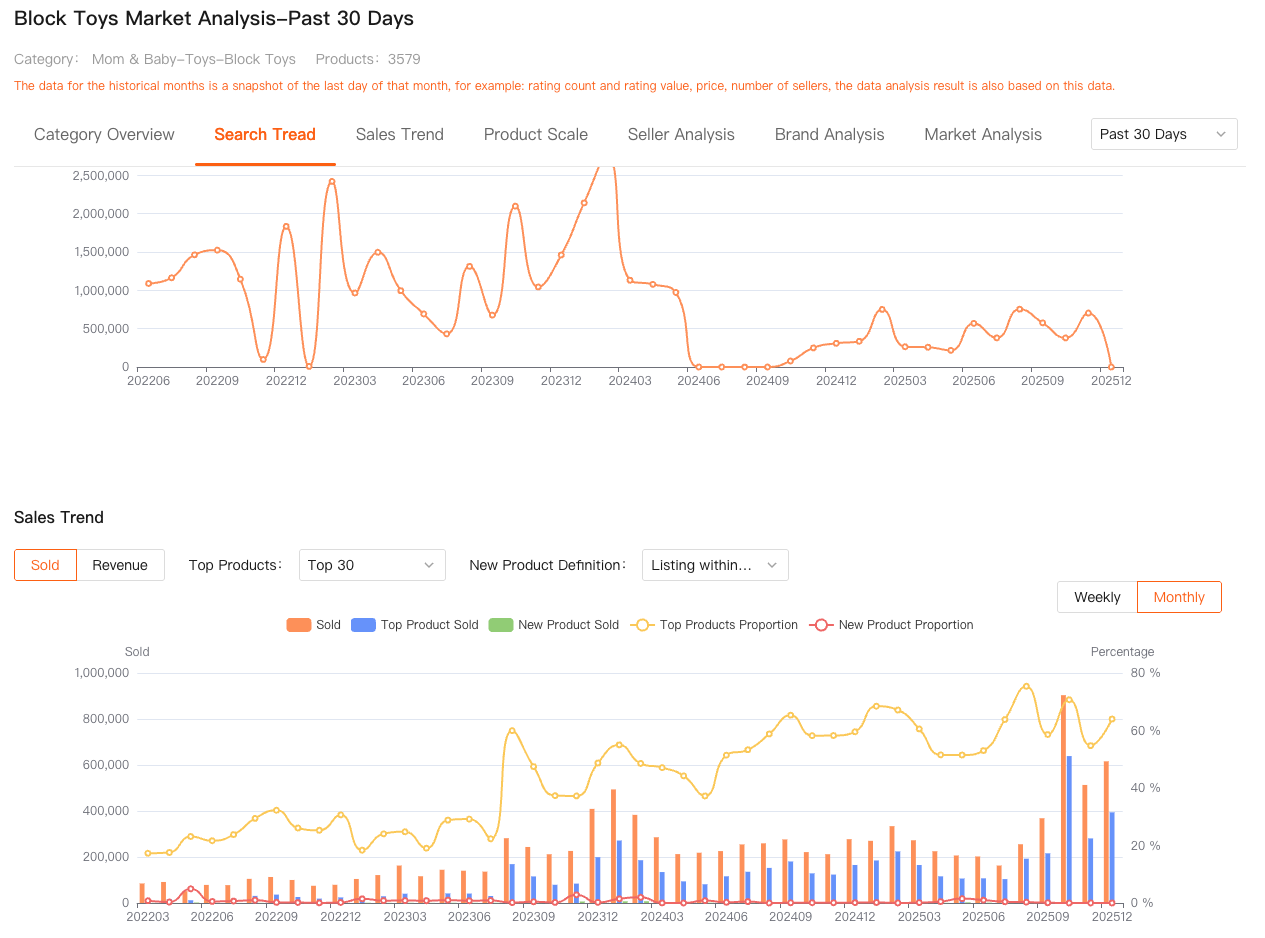
I’ve avoided more bad launches using this feature than I can count. On the surface, some categories look attractive—high sales, lots of listings. But once you see that the top 10 products take the majority of revenue, or that growth has been flat for months, you realize you’re walking into a low-probability game.
For me, Market Analysis acts like a gatekeeper. If the category doesn’t pass this stage, I don’t waste time on deeper research. That alone has saved me weeks of work and a lot of sunk costs.
Turning Raw Data Into Decisions With Comprehensive Analysis
Once a category makes sense, I move to Comprehensive Analysis, which is where Shopee analytics tools really start to feel practical.
Comprehensive Analysis in Shopdora combines multiple dimensions—sales trends, revenue changes, ranking movement, and time-on-market—at the product level. Instead of staring at isolated numbers, I can see how products evolve over time. This matters more than most sellers realize.
A product with high current sales might look attractive, but if it peaked three months ago and is now declining, you’re late. On the other hand, a product with moderate sales but a consistent upward trend could be a much better opportunity. Shopee’s seller center won’t tell you this because it only shows your own history, not the market’s.
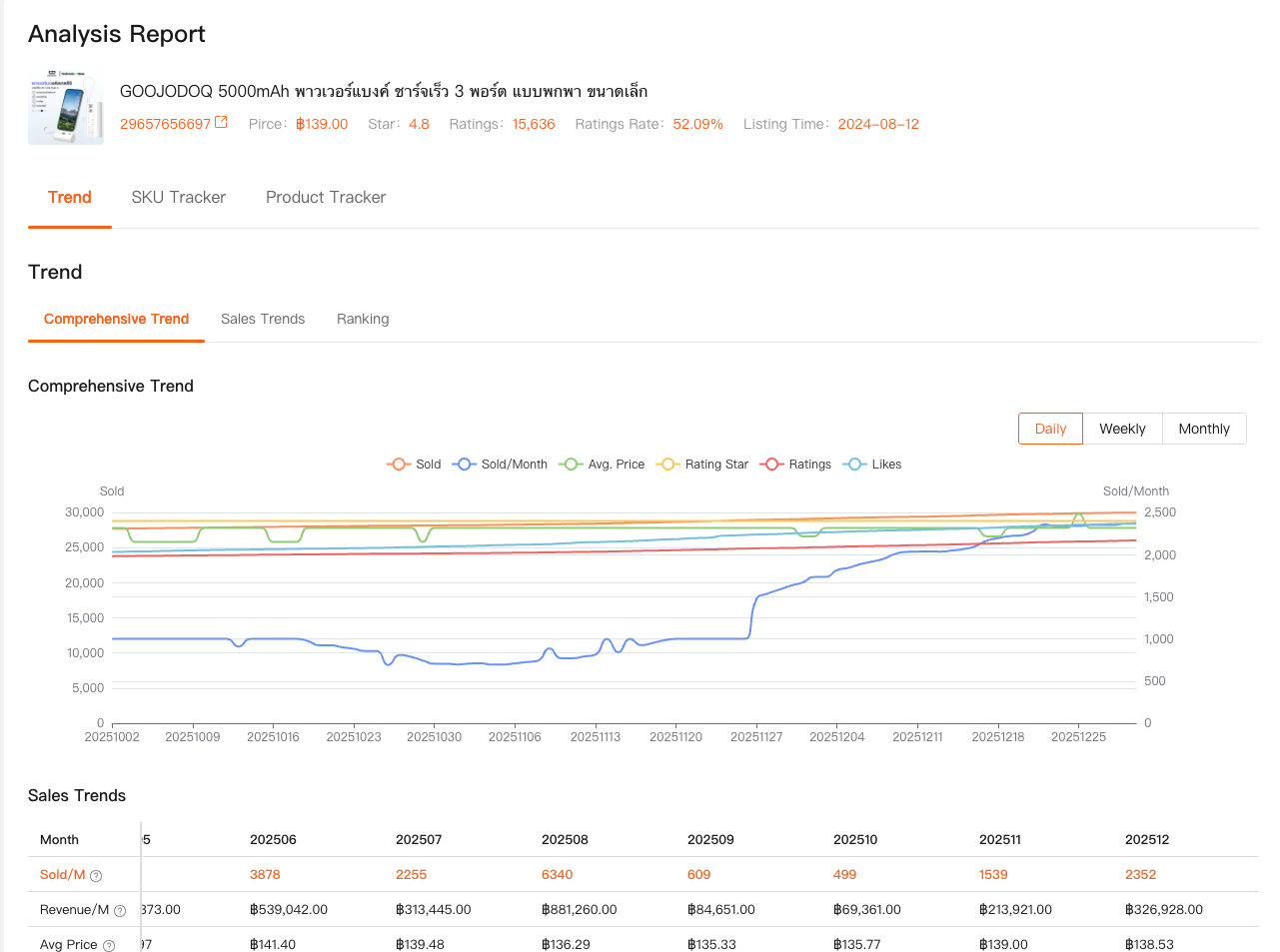
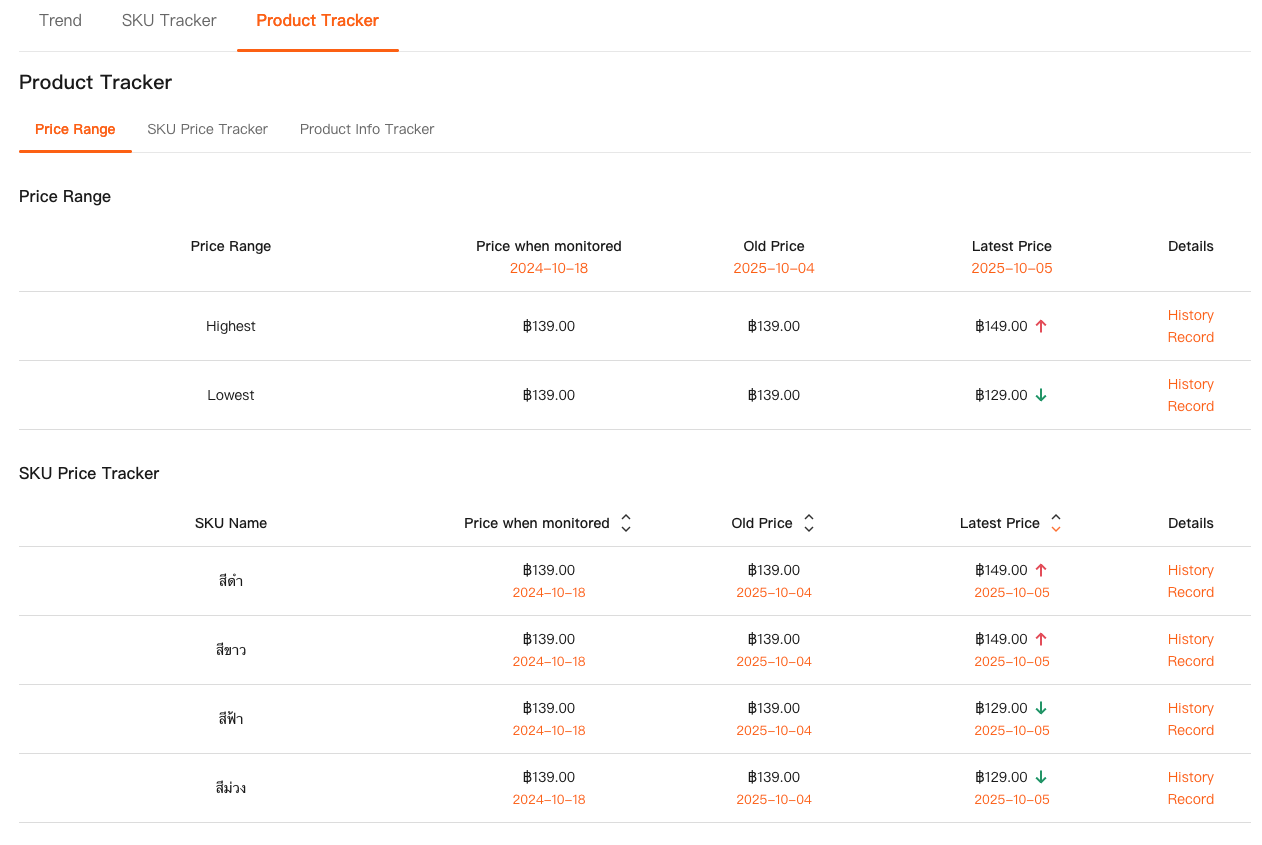
I often use Comprehensive Analysis to compare multiple competing products side by side. The goal isn’t to copy blindly, but to understand patterns: how fast winners grew, how stable their rankings are, and whether their performance is sustainable or temporary. Over time, you start recognizing what “healthy” product growth actually looks like.
This is one of the biggest mindset shifts I’ve had as a seller. I stopped chasing spikes and started looking for trajectory.
Why Shopee Analytics Tools Should Focus on “Others,” Not You
Here’s something I tell newer sellers all the time: if a tool only shows you your own data, it’s not really an analytics tool—it’s a reporting tool. True Shopee analytics tools help you see beyond your own store.
Shopdora’s strength, in my experience, is that it focuses on market and competitor visibility. I use it to understand SKU structures, pricing ranges, and performance distribution across the market. This context changes how you interpret your own numbers. A low conversion rate might not be your fault—it could be an industry-wide issue. A drop in sales might reflect seasonal demand shifts rather than listing quality.
Once you have that perspective, your decisions become calmer and more rational. You’re no longer reacting emotionally to every fluctuation in your dashboard.

How This Changes Day-to-Day Selling Decisions
In practice, using Shopee analytics tools like this affects almost every operational decision I make. When pricing a new product, I already know the realistic price band based on market data. When planning inventory, I consider category growth trends instead of guessing future demand. When a product underperforms, I check whether competitors are facing the same slowdown before making drastic changes.
This doesn’t eliminate risk—nothing does in e-commerce—but it dramatically improves the quality of your bets. Over time, that consistency compounds.
A More Sustainable Way to Grow on Shopee
If you’re serious about selling on Shopee long term, analytics shouldn’t feel overwhelming or abstract. The goal isn’t to analyze everything, but to answer a few critical questions clearly: Is this market worth entering? Are these products actually growing? How competitive is this space right now?
For me, combining Market Analysis and Comprehensive Analysis inside Shopdora has become a core part of that process. I don’t use it to replace judgment—I use it to inform it. The final decision is always mine, but it’s based on evidence, not assumptions.
Shopee analytics tools won’t magically make you profitable. What they can do is remove a lot of unnecessary guesswork. And in a marketplace as competitive as Shopee, that alone can be the difference between burning out and building something sustainable.
If you’re still making decisions purely from your seller center, I’d encourage you to step back and look at the bigger picture. Once you start seeing the market clearly, everything else—from ads to listings—starts making a lot more sense.