
Shopee Analytics Tools: The Ultimate Guide for Data-Driven Sellers
Let's be real—selling online without data is like driving with your eyes closed. You might get somewhere, but you'll probably crash along the way. In today's e-commerce world, data isn't just helpful—it's your secret weapon. For Shopee sellers, understanding what customers want, what competitors are doing, and where the market's heading can mean the difference between thriving and barely surviving.
Whether you're just dipping your toes into the e-commerce waters or you're a seasoned seller looking to scale, a solid Shopee analytics tool turns confusing numbers into clear directions. They help you stop guessing and start knowing. Ready to see how these tools can transform your Shopee shop from "meh" to magnificent? Let's dive in.
What Are Shopee Analytics Tools?
Think of Shopee analytics tools as your personal business detective. They're specialized software that digs through mountains of data to find the golden nuggets that actually matter to your business. From Shopee's built-in dashboards to fancy third-party platforms, these tools answer the questions that keep sellers up at night:
- What products are people actually buying right now?
- Which keywords are bringing real traffic instead of just window-shoppers?
- How is that competitor selling so much of that product?
- What price points make customers click "buy now" versus "maybe later"?
- When should I stock up before the next big shopping season?
Shopee's Native Analytics: Your Built-in Dashboard
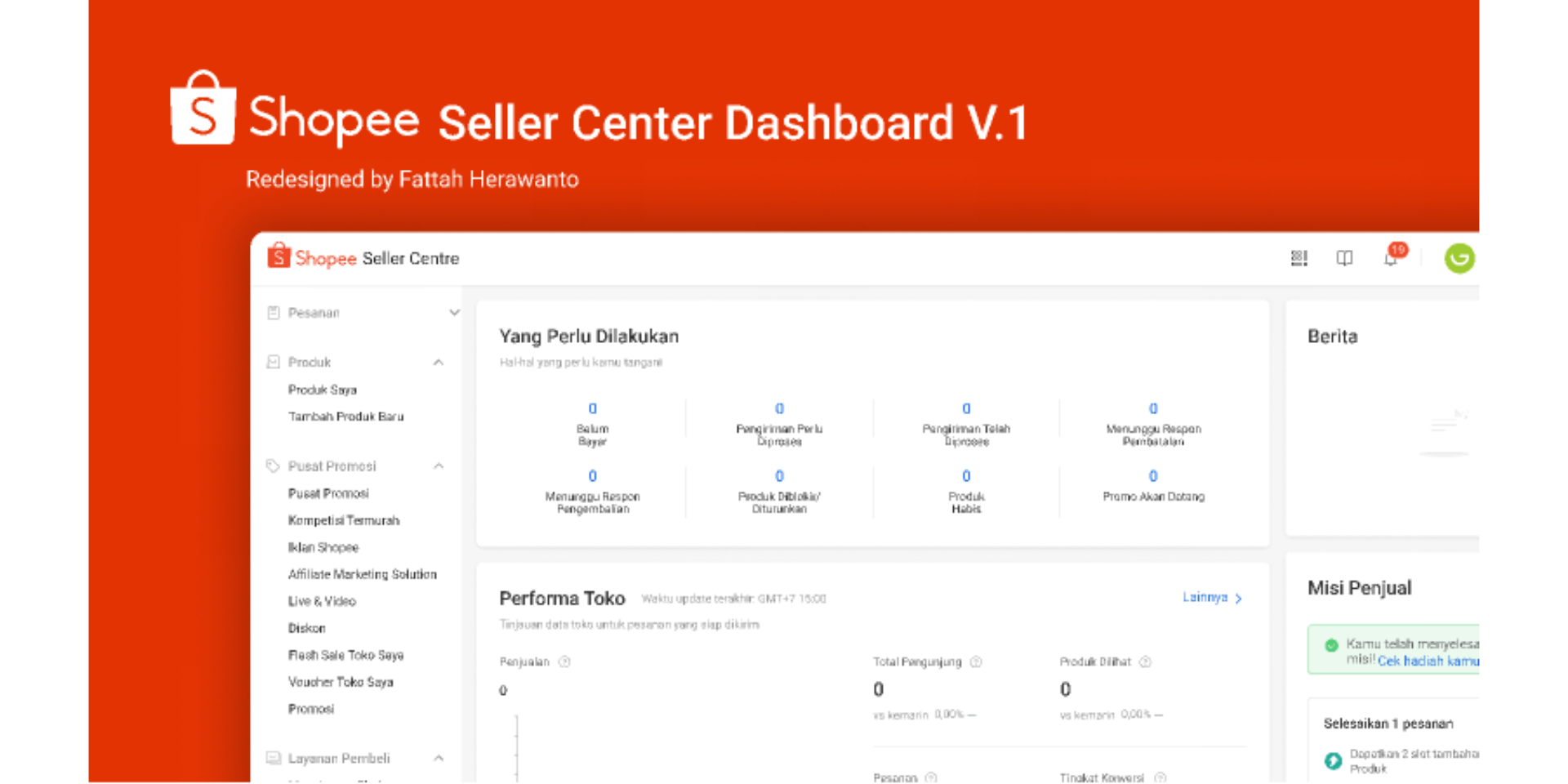
Shopee doesn't leave you completely in the dark—their Seller Center dashboard is like having a basic GPS for your business journey. It's free, it's built-in, and it's surprisingly powerful for something that comes with the territory.
Sales Performance Metrics
The native dashboard tracks the numbers that actually pay your bills: total revenue, units sold, and average order value. It's like having a financial health check-up whenever you log in. Smart sellers use this data to:
- Spot which products are their cash cows (and which are just eating warehouse space)
- Notice patterns—like why Tuesday afternoons are surprisingly busy
- Figure out how much each customer is really worth over time
- Set sales targets that are ambitious but actually achievable
Traffic Analysis Tools
Here's where you learn whether people are actually visiting your shop or just passing by. Shopee's traffic analytics show you page views, unique visitors, and where all these people are coming from. It's basically customer stalking—but the legal kind.
The insights here help you answer questions like:
- Are my Facebook ads actually working or just burning money?
- How long do people stare at my product photos before deciding?
- Which pages make people leave immediately (we've all got them)
- Whether your customers are mostly from the city or somewhere more unexpected
Beyond the Basics: Advanced Analytics with Shopdora
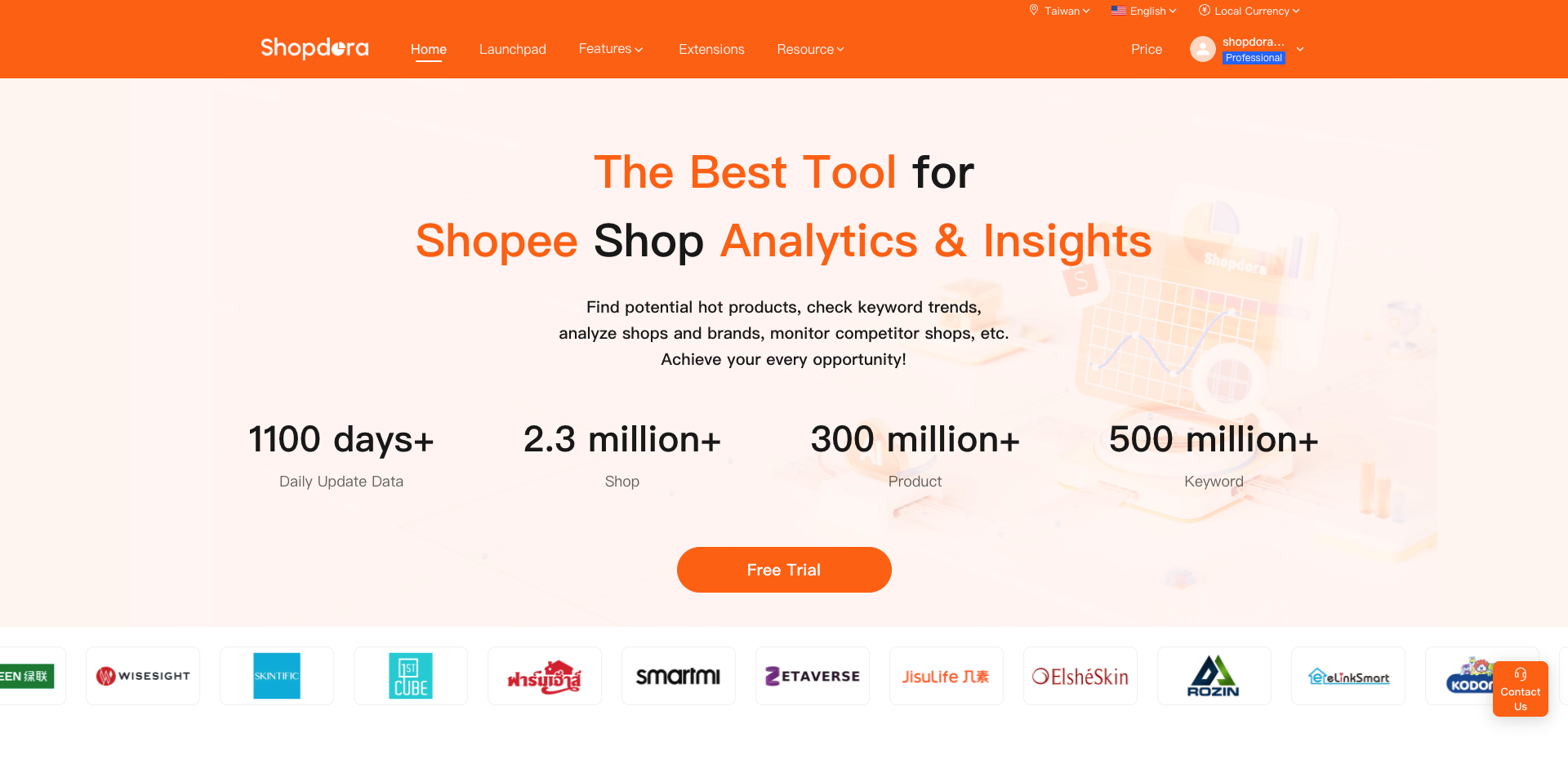
Now, Shopee's native tools are great and all, but sometimes you need more than just the basics. It's like having a bicycle when what you really need is a sports car. That's where third-party Shopee analytics tools like Shopdora come in—they're the upgrade that serious sellers swear by.
Why Shopdora Stands Out
Shopdora is that overachieving friend who always has the inside scoop. As a Chrome extension, it gives you real-time access to data that would otherwise take hours to dig up manually. Here's what makes it special:
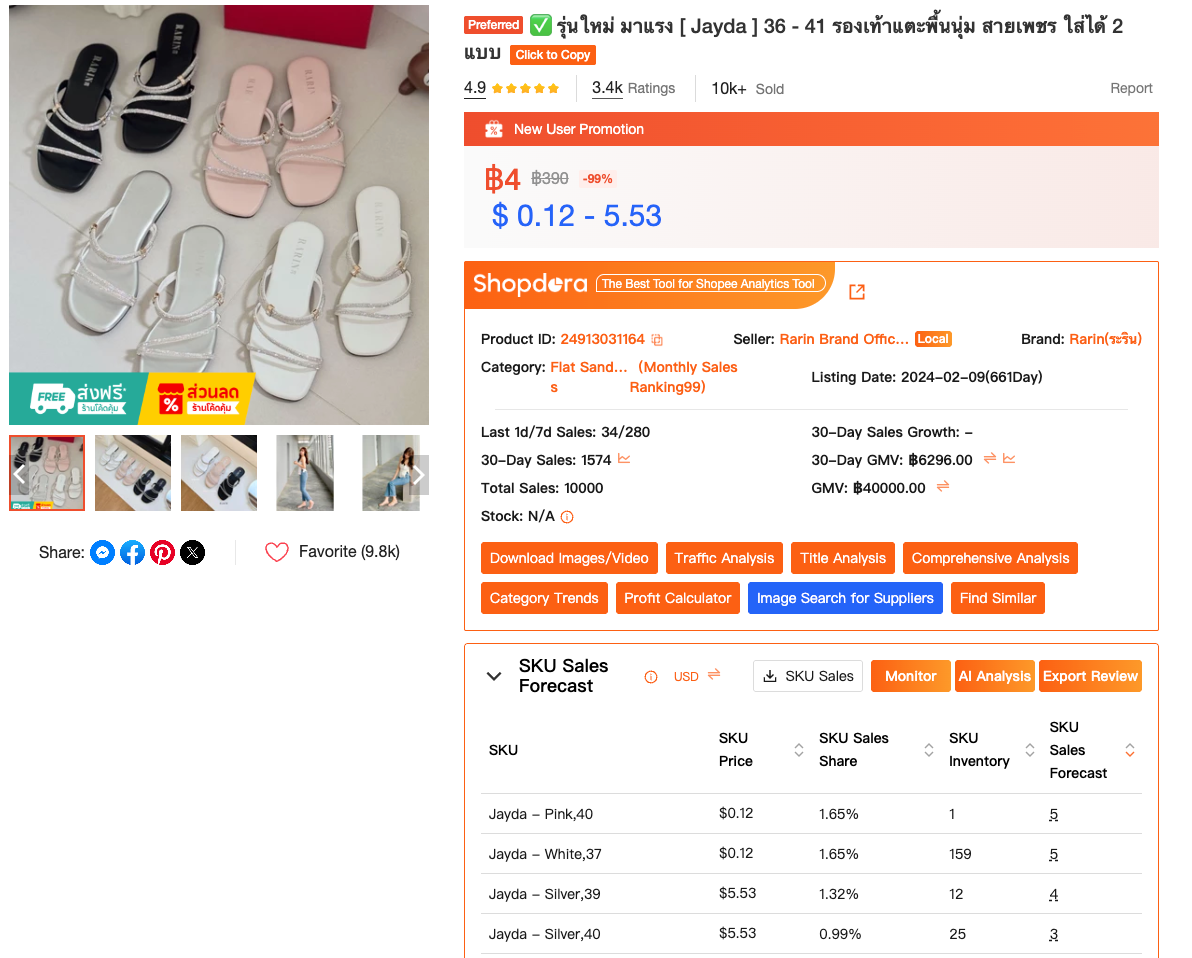
Real Product SKU Data & Buyer Insights
Shopdora doesn't just tell you a product is selling—it shows you which specific colors, sizes, or versions are flying off the virtual shelves. It's the difference between knowing "shirts sell" and knowing "blue medium shirts with the funny slogan sell 3x faster."
Review Analytics & Customer Sentiment
Instead of just counting stars, Shopdora reads between the lines of customer reviews. It helps you understand why people love (or hate) products similar to yours. This is pure gold for improving your offerings and marketing messages.
Sales Trend Analysis
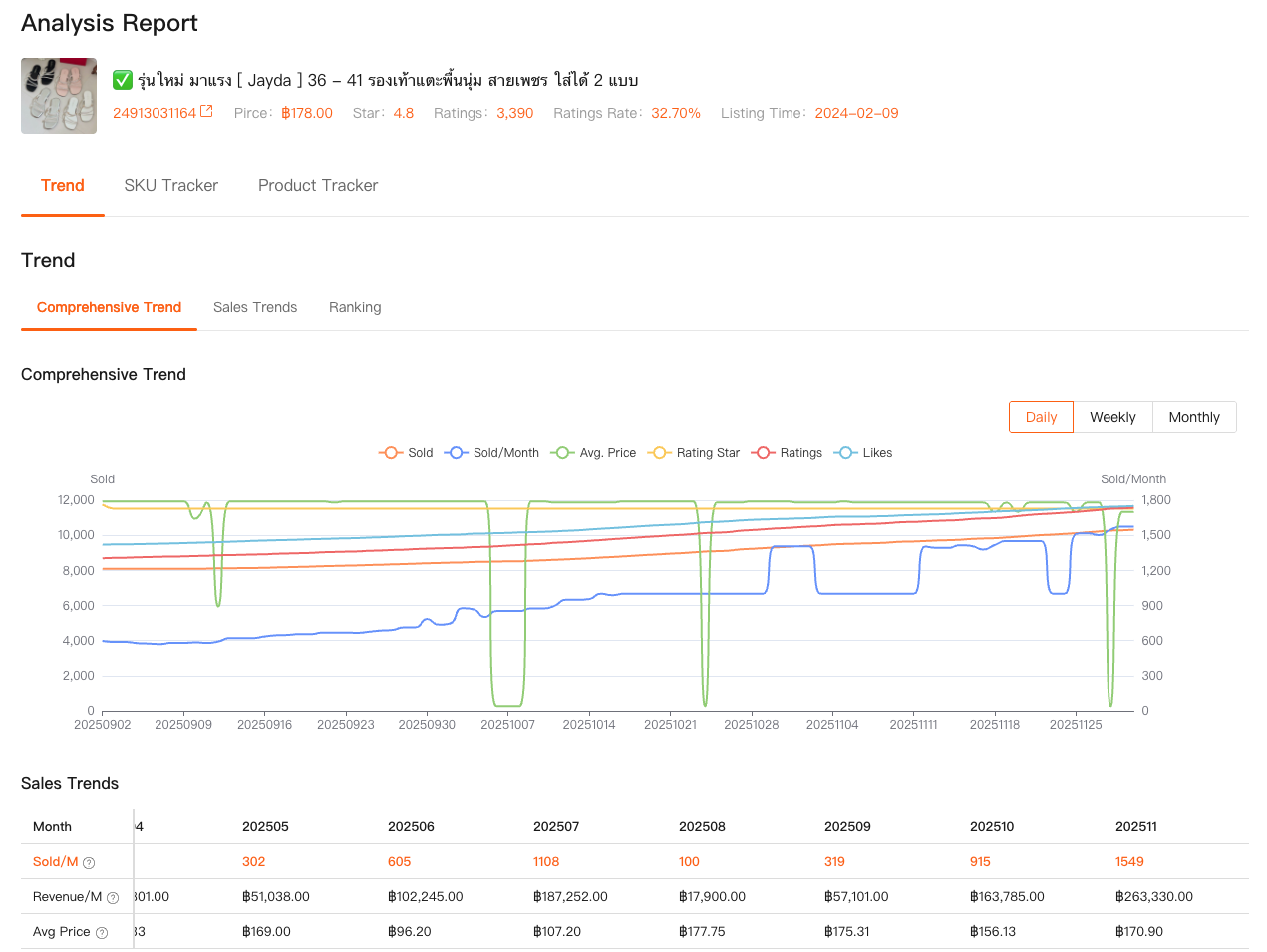
This feature is like having a crystal ball for your inventory. By tracking historical sales data, you can see patterns before they become obvious. That summer product spike? Shopdora helps you see it coming in spring.
Keyword Research Capabilities
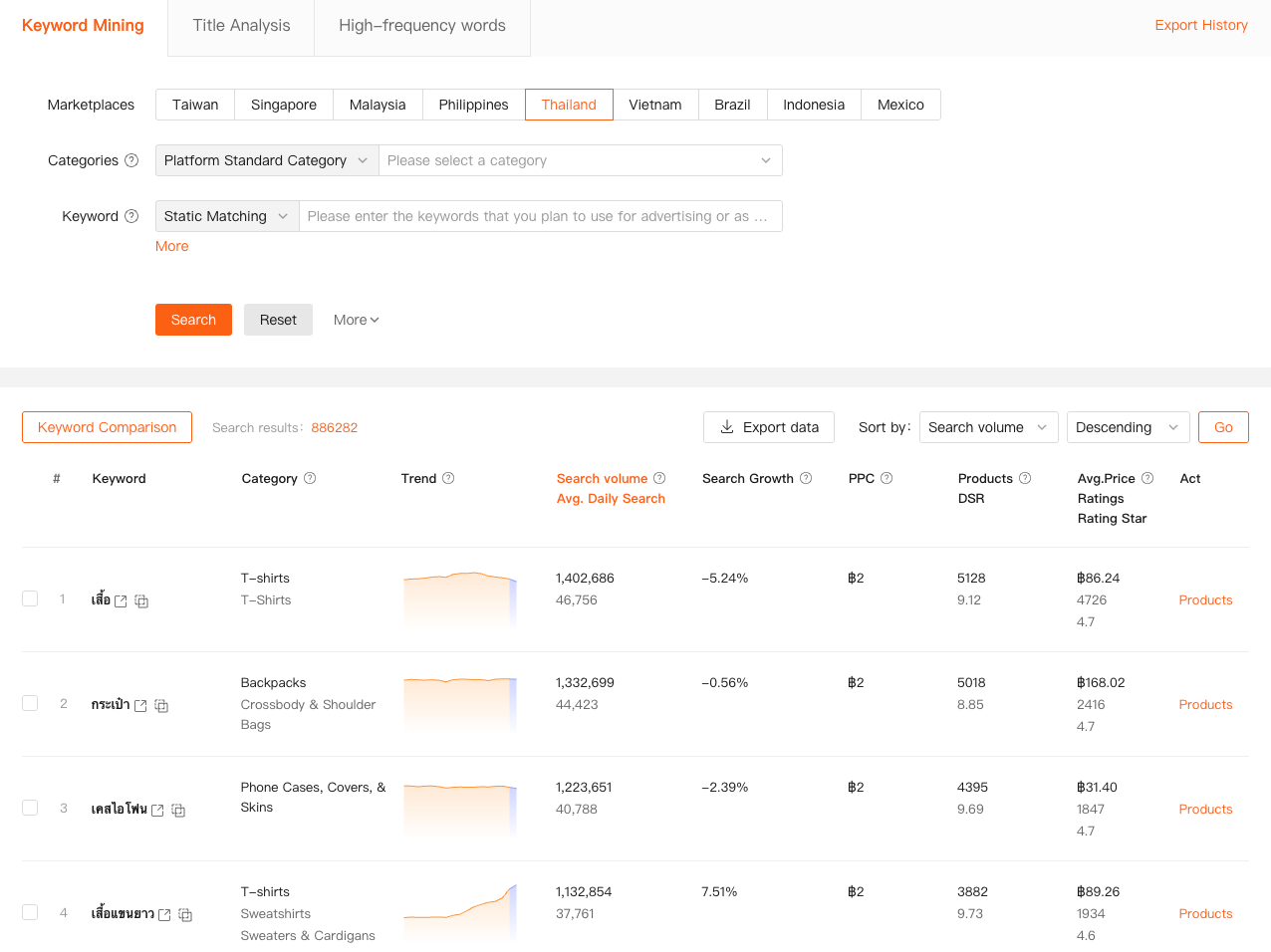
Shopdora's keyword tools are like having a mind-reading device for customer searches. They show you what people are typing into that search bar and which words are trending upward. This isn't just nice-to-know information—it's the foundation of getting found.
Competitor Intelligence
Let's be honest—we all peek at what the competition is doing. Shopdora makes this professional instead of creepy. You can see their best-sellers, pricing tricks, and promotional strategies without ever leaving your desk.
Practical Applications for Shopee Sellers
Here's how real sellers use Shopdora without getting overwhelmed:
Product Research & Validation
Before risking money on new inventory, smart sellers use this Shopee analytics tool to check if similar products are actually selling. It's like having a focus group that works 24/7 without the pizza and awkward small talk.
Keyword Optimization
Shopdora shows you which search terms actually lead to purchases, not just browsing. This helps you optimize your listings for conversions, not just visibility.
Inventory Planning
By tracking sales trends, you can predict when to stock up and when to ease off. No more panicking during surprise rushes or crying over dead stock.
Pricing Strategy Development
Shopdora's competitor pricing data helps you price competitively without starting a race to the bottom. Because let's face it—nobody wins when everyone's selling at cost.
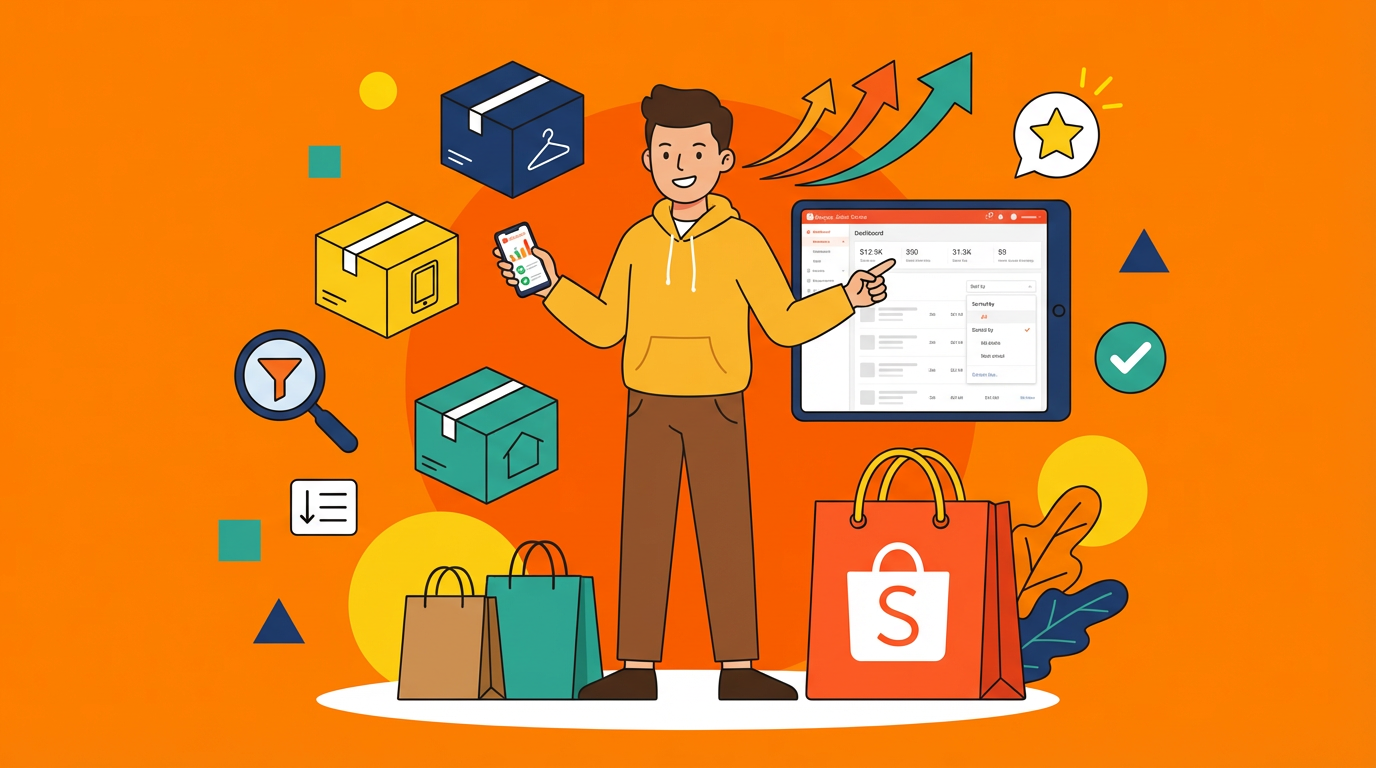
Choosing the Right Analytics Approach for Your Business
For New Sellers: Start with Native Tools
If you're just starting out, don't get shiny object syndrome with fancy tools. Master Shopee's free analytics first. Learn to walk before you try to run a marathon. Focus on understanding:
- Your basic sales patterns
- Where your traffic comes from
- Simple keyword optimization
- What your direct competitors are up to
For Growing Businesses: Consider Third-Party Tools
When you start feeling limited by the native tools, it's probably time to level up. You might be ready for advanced Shopee analytics tools if:
- You're managing more products than you can track mentally
- Competitors are getting smarter about their strategies
- You're making bigger inventory investments
- You're planning to expand into new categories
For Established Sellers: Comprehensive Analytics Strategy
Big-time sellers don't pick one tool—they create a system. They might use:
- Shopee native analytics for daily check-ins
- Shopdora for deep competitor research
- Custom tracking for their specific business quirks
- Regular strategy sessions to spot new opportunities
Best Practices for Implementing Analytics
Set Clear Goals
Before drowning in data, know what you're trying to achieve. Want to boost conversions? Reduce wasted ad spend? Clear goals help you focus on what matters instead of tracking everything and understanding nothing.
Establish Regular Review Cycles
Data is useless if you don't look at it. Set up simple routines—quick daily check-ins, weekly performance reviews, monthly deep dives. Consistency beats intensity when it comes to analytics.
Combine Numbers with Stories
Metrics tell you what's happening, but customer feedback tells you why. Blend your data with real customer insights for the complete picture.
Test Everything
Use your data to form theories, then test them. Try different prices, descriptions, or images. The best sellers are constantly experimenting and learning.
Conclusion: Transforming Data into Dollars
Here's the truth: Shopee analytics tools have moved from "nice to have" to "can't live without" for serious sellers. Whether you're using Shopee's free tools or advanced platforms like Shopdora, the goal is the same—turn confusing data into clear decisions that make you money.
The most successful sellers aren't the ones with the most data, but the ones who use their data most effectively. Start with clear goals, build consistent habits, and focus on what actually moves the needle for your business.
The e-commerce world isn't getting simpler, but your approach can. Your data-driven journey starts now—what will you discover about your business tomorrow?