
Shopee Analyzer That Actually Shows Competitor Traffic
My name is David. I’ve been running my own Shopee store for a little over three years now, mostly solo. Like many sellers, I started out relying almost entirely on Shopee’s Seller Center. At first, it felt sufficient. You can see your own sales, your own traffic, your own ads performance. The problem only became obvious after my second year: all my big decisions were still based on guesses.
I didn’t know why a competitor’s product suddenly overtook mine. I couldn’t tell whether their traffic came from ads, keywords, or external exposure. When a listing title worked, I had no way to understand why it worked — or whether it would keep working next month. That’s when I started actively looking for a Shopee analyzer that could show me what Seller Center never would: competitor traffic behavior.
This article is not about shortcuts or hacks. It’s about how I learned to analyze competitor traffic in a way that actually changed how I pick titles, keywords, and product positioning — using data I simply could not access inside Shopee itself.

The Real Problem: “Competitor Traffic” Is Invisible on Shopee
Most sellers talk about traffic as if it’s a single number. In reality, traffic is a mix of different sources: search keywords, ads, recommendations, and sometimes trends you didn’t even notice yet. Shopee only shows you your traffic. It never tells you where your competitors are winning traffic from, which keywords they’re quietly ranking for, or which traffic opportunities they’re completely missing.
Before I used a proper Shopee analyzer, I kept making the same mistake: copying surface-level changes. If a competitor ranked higher, I changed my price. If their title looked longer, I made mine longer. None of that worked consistently because I wasn’t addressing the real issue — traffic structure.
What finally helped me was shifting my mindset from “What should I copy?” to “Where is their traffic coming from, and why?”
How I Use a Shopee Analyzer to Break Down Competitor Traffic
The turning point for me came when I started using Shopdora as my main Shopee analyzer, specifically for Traffic Analysis and Title Analysis. I’m not interested in tools that throw random charts at me. What mattered was whether the data answered practical questions I face every week.
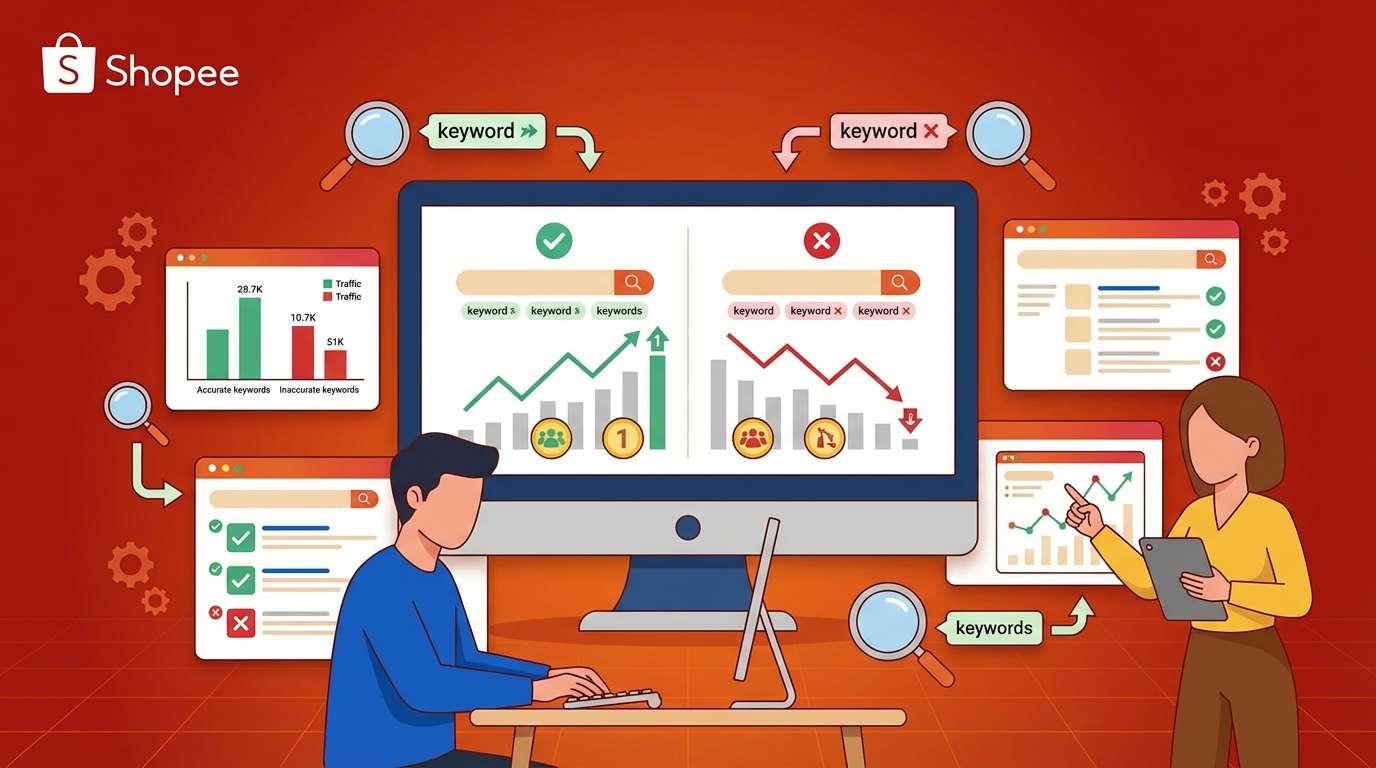
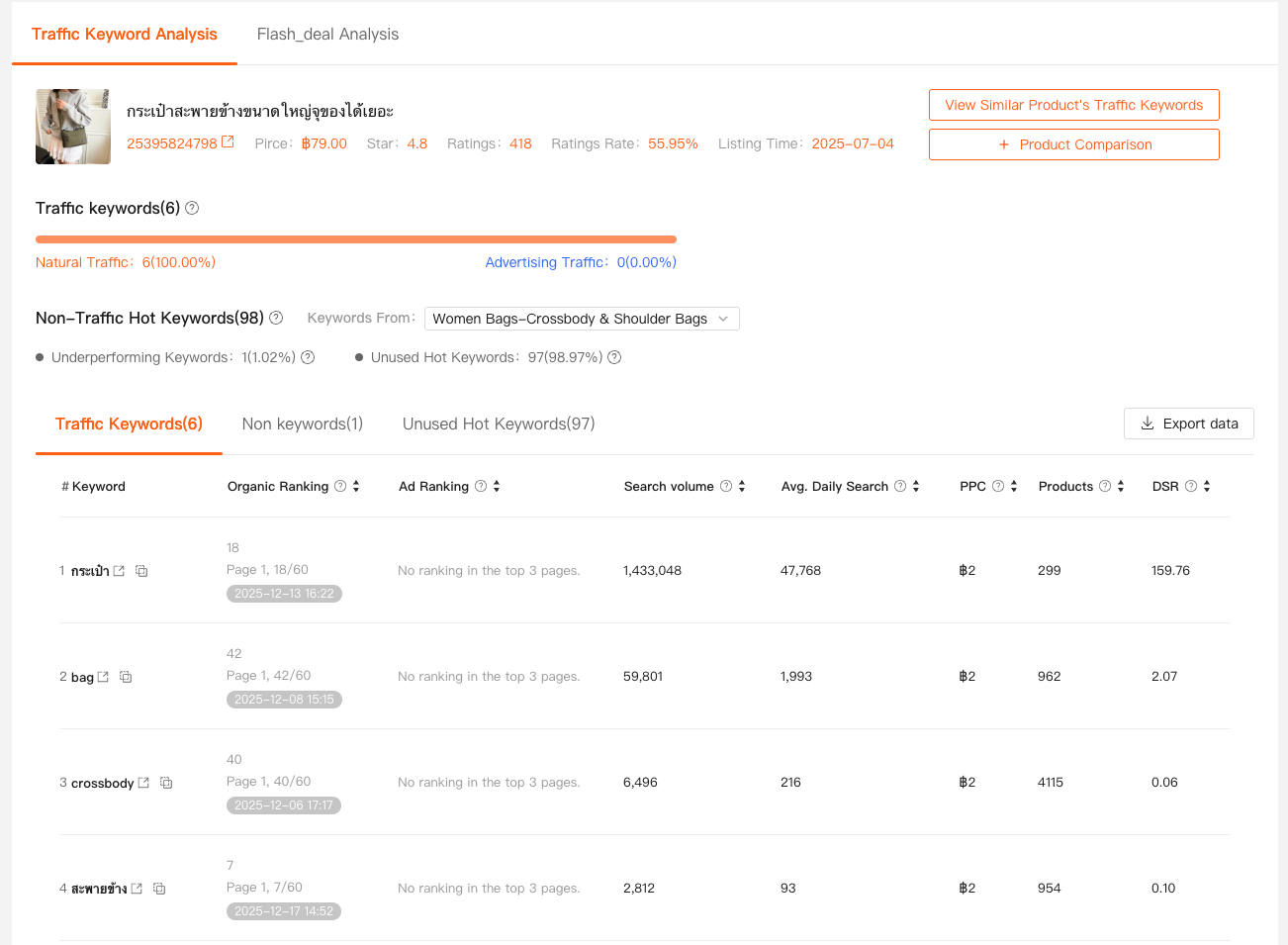
With Traffic Analysis, I could finally see how competitor products were structured in terms of traffic sources. I could distinguish between products that relied heavily on paid ads and those that were pulling stable organic traffic from search. This alone changed how I evaluate “successful” listings. A product with high sales but unstable ad-driven traffic is very different from one that quietly ranks on multiple high-intent keywords.
What made the analysis useful wasn’t just seeing traffic keywords, but also seeing what wasn’t working. Shopdora highlights non-traffic keywords and unused hot keywords — terms that exist in the market but are either poorly used or completely ignored by competitors. For me, this became one of the fastest ways to identify low-competition opportunities without launching blind.
Why Title Analysis Changed How I Write Listings
Before using a Shopee analyzer seriously, I treated titles as creative writing. I focused on readability and tried to “sound natural.” That’s not wrong, but it’s incomplete. Title Analysis forced me to think in a more structured way.
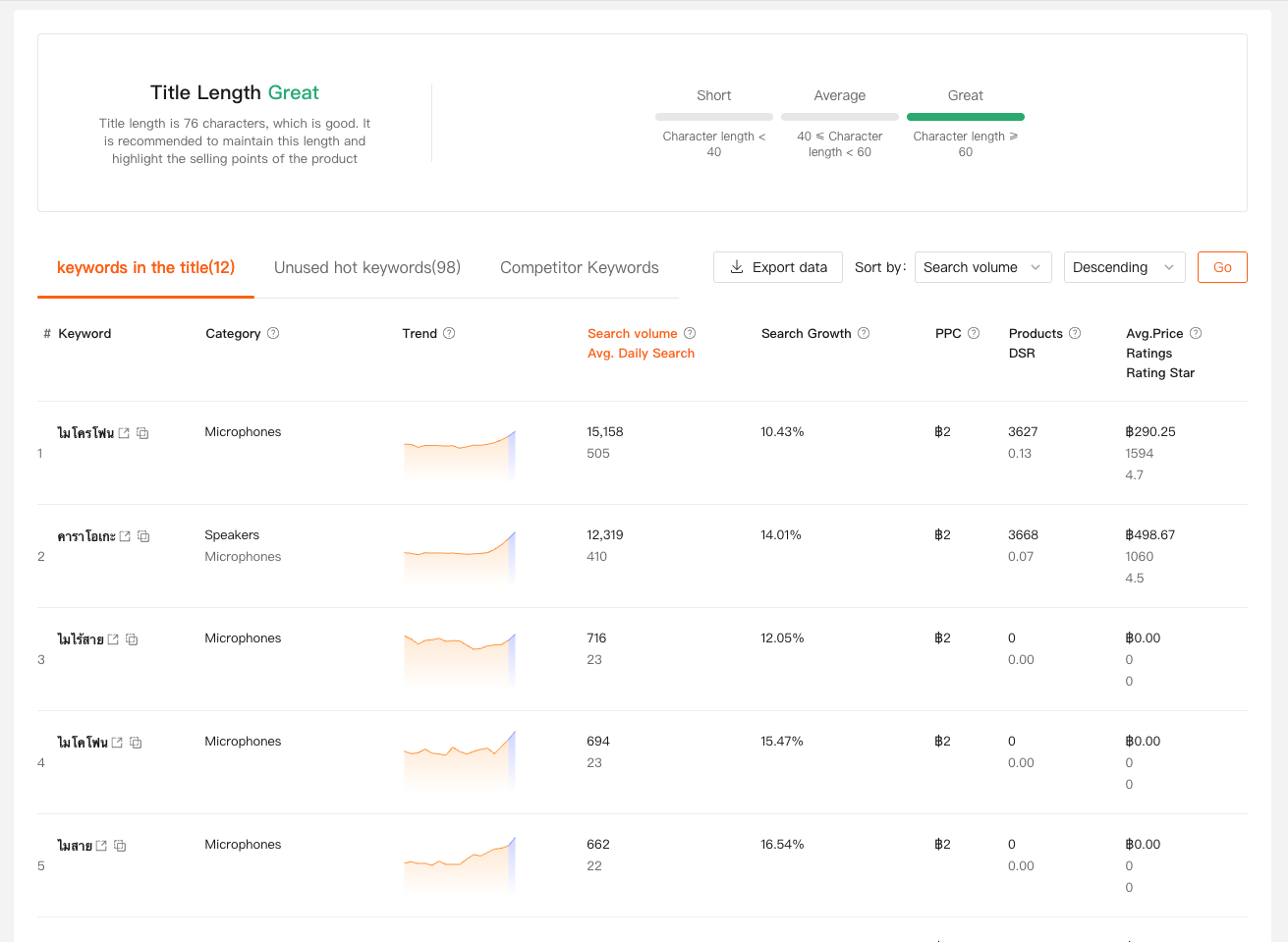
By analyzing competitor titles with Shopdora, I could see which keywords actually contributed to traffic and which were just decorative. I started noticing patterns across top-performing listings: keyword order, repetition logic, and how traffic keywords were embedded naturally instead of stacked aggressively.
What surprised me most was how often high-ranking products had titles that looked almost boring. They weren’t clever. They were precise. The traffic data explained why. Those titles were built around proven traffic keywords with consistent search demand, not trend-based guesses.
Once I started rebuilding my own titles based on real competitor traffic patterns, my rankings became more stable. I wasn’t chasing every fluctuation anymore. I was aligning with how buyers actually searched.
From Guessing to Decision-Making: A Real Workflow
A Shopee analyzer is only useful if it fits into a repeatable workflow. Mine is simple. When I evaluate a product or niche, I start with Traffic Analysis to understand how competitors are getting visibility. If traffic is overly dependent on ads, I know margins will be tight. If organic traffic is strong, I dig deeper.
Next, I move into Title Analysis. I compare several top-ranking products instead of focusing on one “best seller.” This helps me avoid copying outliers and instead understand the shared traffic logic of the market. I look for keywords that appear consistently across listings and cross-check whether those keywords are still growing or already saturated.
Only after that do I decide whether to optimize an existing product or test a new one. The difference now is confidence. I’m not hoping something works — I know why it should.
Why “Competitor Traffic Analysis” Is a Long-Term Advantage
Most sellers treat competitor analysis as a one-time action. In reality, traffic patterns change constantly. New keywords emerge, old ones decline, and algorithm preferences shift. What a good Shopee analyzer allows you to do is monitor these changes before they show up in your own sales numbers.
By tracking competitor traffic trends over time, I can spot early signals. A sudden rise in search traffic for a keyword often appears weeks before it becomes obvious in sales rankings. That lead time is where real opportunity lives. It’s also where most sellers are blind.
Shopdora’s traffic and title data helped me stop reacting late. Instead of fixing problems after sales dropped, I started adjusting listings while traffic was still forming.
Final Thoughts
A Shopee analyzer shouldn’t overwhelm you with metrics. It should answer three questions clearly: where traffic comes from, why competitors win it, and where the next opportunity might be. For me, Traffic Analysis and Title Analysis covered exactly that gap.
I’m not interested in tools that promise magic. What I care about is visibility — seeing the parts of the Shopee marketplace that Seller Center will never show me. Once you understand competitor traffic at this level, optimization stops feeling random. It becomes a process.
If you’re serious about scaling on Shopee, competitor traffic analysis isn’t optional anymore. It’s the difference between guessing what works and understanding why it works.