
Shopee Price Tracker: How I Finally Took Control of Pricing in a Crowded Market
Hi, I’m David.
I’ve been running my own Shopee store for over three years now. Like most sellers, I didn’t start out with fancy dashboards or deep data models. I started with intuition, gut feeling, and a lot of late-night price adjustments that were honestly more emotional than strategic.
For a long time, I thought pricing was simple: check a few competitors, stay “competitive,” and hope for the best. But as my store grew, that approach quietly started hurting me. Margins shrank. Price wars became exhausting. And worst of all, I often realized I was reacting to the market days too late.
That’s when I started seriously thinking about one question most Shopee sellers eventually face:
How do you actually track prices on Shopee without guessing or burning yourself out?
Why “Shopee Price Tracker” Is Not Just a Nice-to-Have
If you sell on Shopee long enough, you’ll notice something uncomfortable. Prices change all the time—sometimes subtly, sometimes aggressively. Competitors adjust prices during campaigns, flash sales, payday promos, or even randomly on weekdays.
At first, I tried tracking prices manually. I bookmarked competitor listings, checked them every few days, and kept mental notes like “this seller is usually cheaper” or “that shop discounts heavily during campaigns.” It felt manageable—until it wasn’t.
Once you’re managing multiple SKUs across categories, manual tracking becomes unreliable. You miss changes. You react late. And when sales drop, you’re never fully sure whether price was the real reason.
That’s why the idea of a Shopee price tracker matters so much. Not as a gimmick, but as a way to regain clarity.

The Real Problem: Sellers Only See Their Own Data
Here’s a hard truth many new sellers don’t realize early enough:
Shopee’s seller center is great at showing your performance—but almost blind when it comes to the market.
You can see your own prices, sales, and SKUs in detail. But you can’t see how competitor prices evolve over time, how often they change, or how those changes correlate with sales performance.
This gap is exactly where most pricing mistakes happen.
When I first encountered Shopdora, what caught my attention wasn’t flashy charts. It was the simple idea that pricing decisions shouldn’t be made in isolation.

Using Market-Level Data to Understand Price Movement
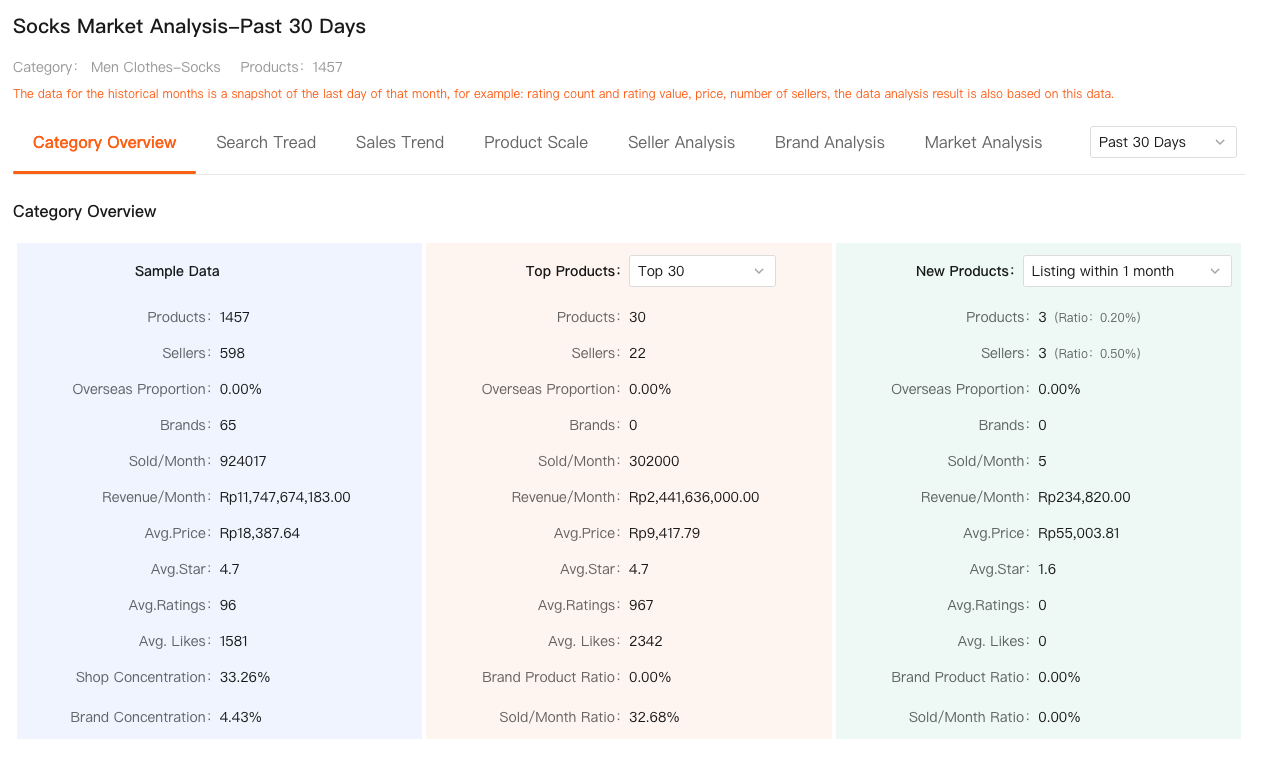
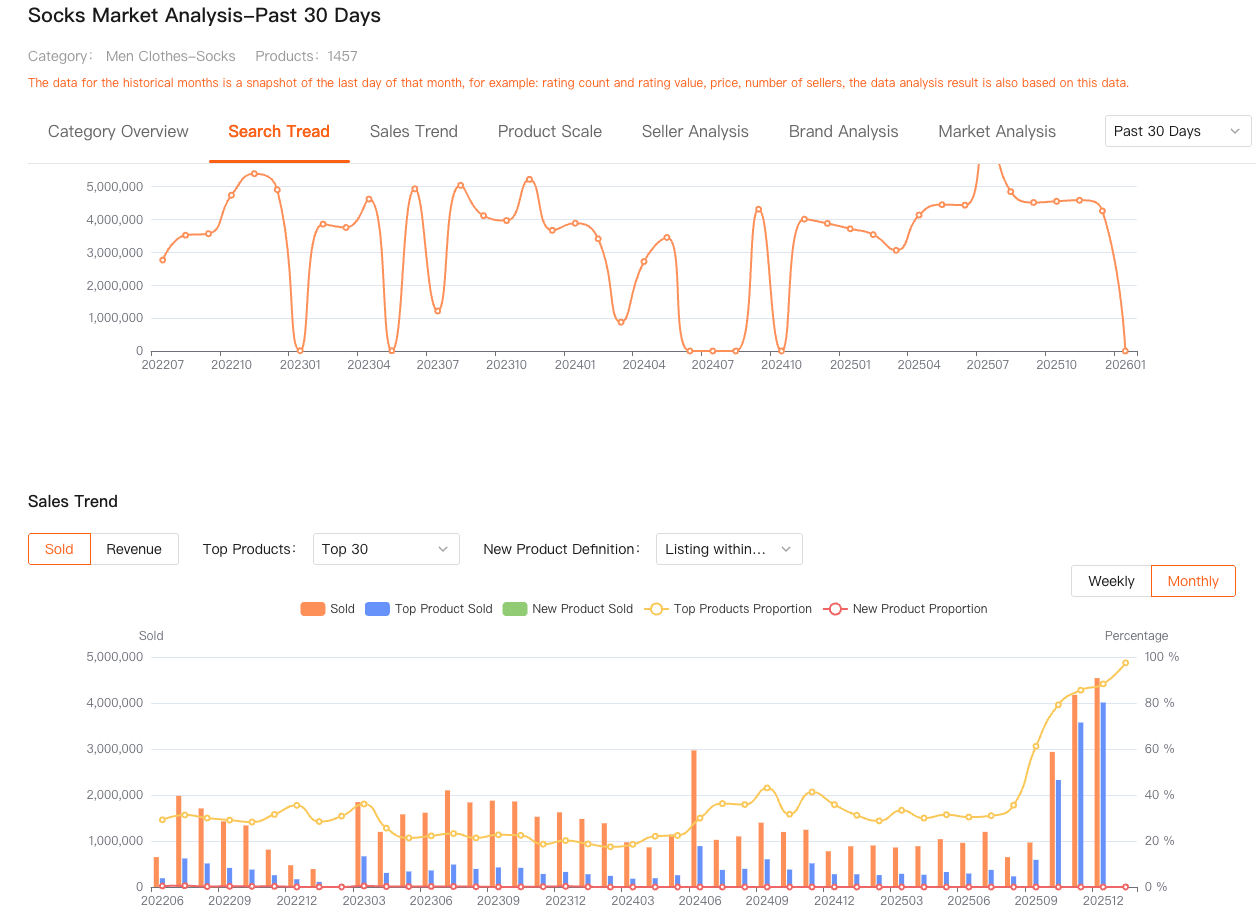
One feature I leaned on heavily was Market Analysis.
Instead of looking at individual products in a vacuum, Market Analysis helped me step back and observe pricing behavior at the category level. I could see how average prices shifted over time, how aggressive the top products were, and whether the market was trending toward price compression or stabilization.
This mattered more than I expected.
There were times when I felt pressure to lower prices because sales slowed. But after checking the broader market data, I realized the slowdown wasn’t just me—it was the entire category cooling off. Dropping prices aggressively would have hurt my margins without actually improving conversion.
That insight alone saved me from making several emotional pricing decisions.
Tracking Competitor Prices at the Product Level
Of course, category-level insight is only half the story. Eventually, you still need to zoom in.
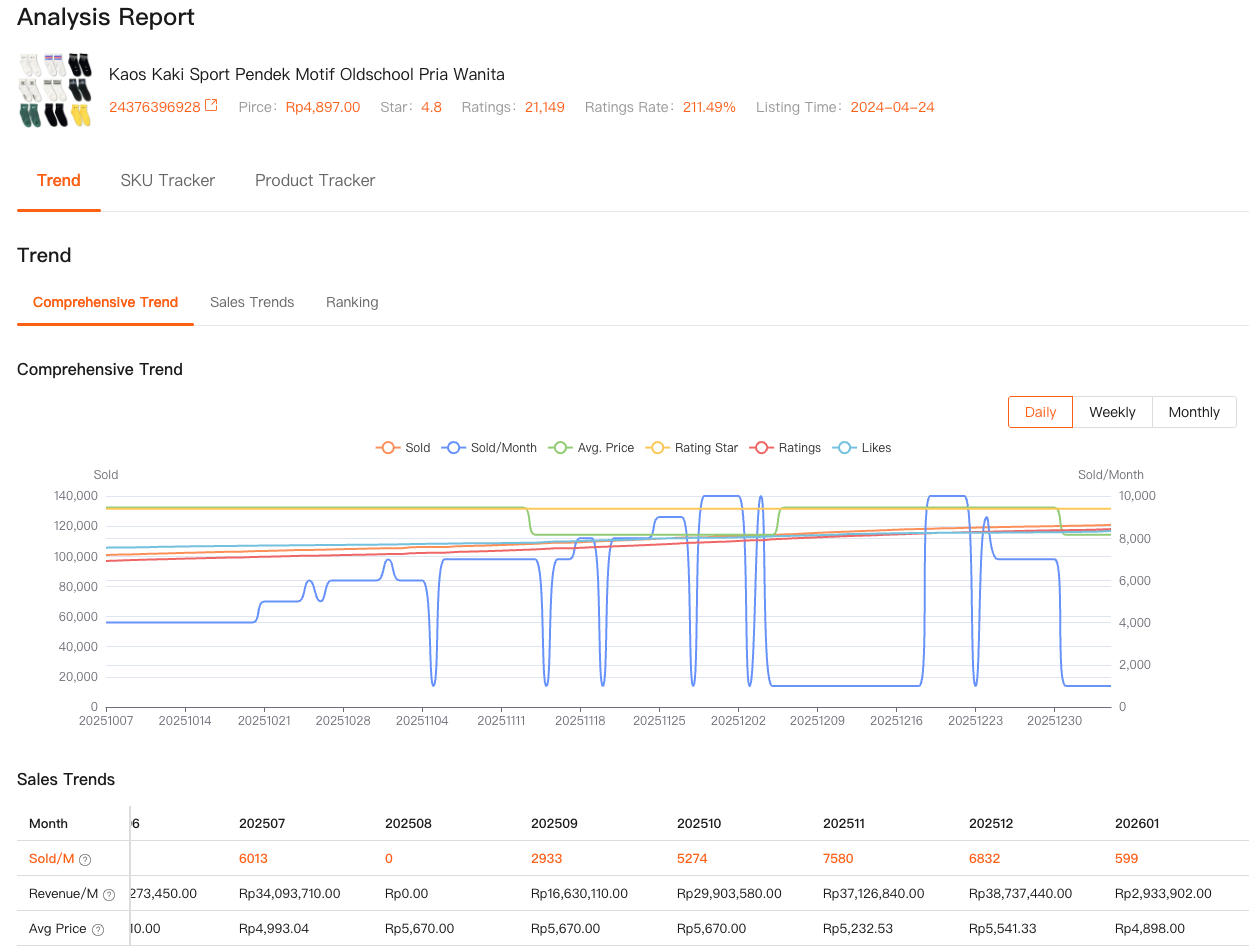
That’s where Comprehensive Analysis came into play.
For specific competitor products, I could track how their prices changed over time alongside other key signals like sales trends and ranking behavior. Instead of asking “Is this competitor cheaper than me today?”, I started asking better questions:
Are they discounting temporarily or permanently?
Do price drops coincide with spikes in sales?
Is this product relying on price, or does it win through volume and positioning?
This shift in thinking changed how I used price tracking entirely. It stopped being about matching the lowest price and became about understanding pricing intent.
What a Shopee Price Tracker Should Actually Do
From my experience, a good Shopee price tracker isn’t about alerting you every time someone lowers their price by a few cents. That kind of noise just adds stress.
What actually helps is context.
By combining product-level tracking with market-level analysis, I could see whether a competitor’s price move was meaningful or just short-term experimentation. Sometimes I chose to respond. Other times, I deliberately stayed put—and often, that decision paid off.
Shopdora didn’t make pricing decisions for me. It simply gave me enough visibility to make decisions with confidence instead of panic.

A Personal Lesson I Learned the Hard Way
I remember one specific SKU that underperformed for weeks. I assumed price was the issue and planned a significant discount. Before pulling the trigger, I checked the broader market data one last time.
What I saw surprised me.
Competitors weren’t winning because they were cheaper. They were winning because their prices were stable while the market rewarded consistency during that period. The real issue wasn’t my price—it was my product positioning and traffic source.
Had I relied only on manual checks, I would have discounted unnecessarily. That moment fundamentally changed how I approached pricing strategy.

Why This Matters for Long-Term Sellers
If you’re planning to sell on Shopee long term, price tracking isn’t optional—it’s foundational.
But tracking doesn’t mean obsessing. It means understanding patterns, timing, and intent. Tools like Shopdora exist not to replace judgment, but to support it with data sellers otherwise can’t access.
For me, the biggest shift wasn’t technical. It was psychological. I stopped reacting to competitors and started responding to the market.
Final Thoughts
Searching for a Shopee price tracker often starts from frustration—falling sales, shrinking margins, or aggressive competitors. I’ve been there.
What I’ve learned is that pricing becomes much less stressful once you stop guessing. When you can see how prices move across the market and how individual products behave over time, decisions feel calmer, slower, and far more intentional.
That clarity is what ultimately helped me stabilize my business and think beyond day-to-day price wars.
If you’re a Shopee seller feeling stuck in constant price adjustments, my honest advice is this: stop staring only at your own numbers. The answers are usually hiding in the market data you’re not seeing yet.