
Shopee Price Tracker: How Sellers Monitor Competitors and Protect Profit Margins
Pricing on Shopee is never static.
What you see today is rarely the full story.
Many Shopee sellers experience the same frustration: sales slow down, ads stop converting, but nothing seems obviously wrong. In reality, the issue often comes down to pricing changes that happened quietly—sometimes days or weeks earlier.
This is where a Shopee price tracker becomes essential, not as a “nice-to-have” tool, but as part of a serious seller’s decision-making system.
Why Price Tracking Should Come Early in Your Workflow
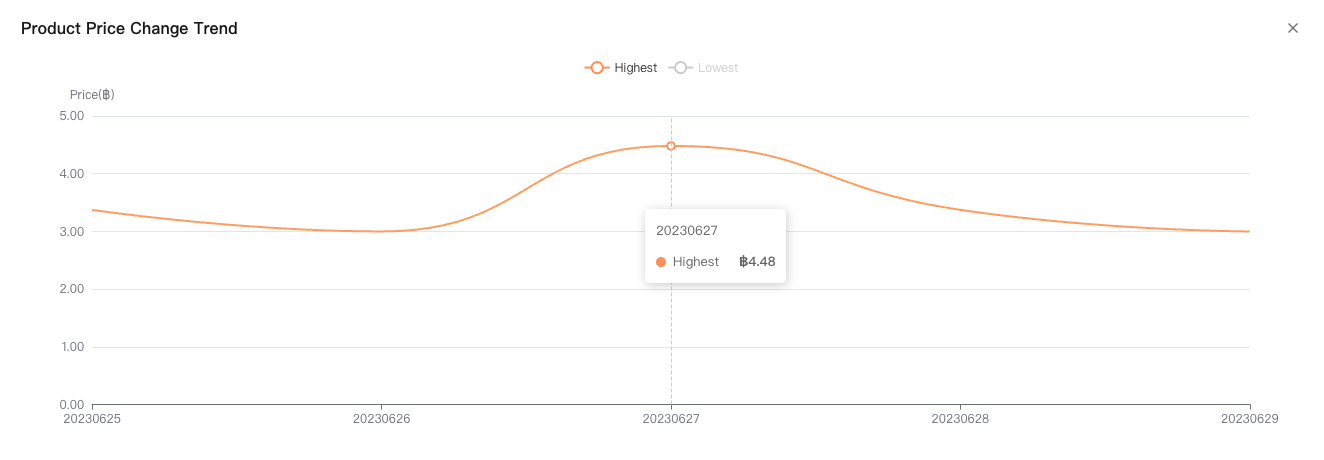
Experienced Shopee sellers don’t wait until problems appear to look at pricing. They track it before scaling ads, during promotions, and after a product stabilizes.
One practical approach many sellers now use is starting with a dedicated Shopee price tracker to understand how competitors behave over time—not just what their price is today.
Using Shopdora as a Shopee Price Tracker
Shopdora’s Product Tracker is designed specifically for Shopee sellers who want visibility into price movements without manual checking.
With Shopdora, sellers can:
- Track historical price changes of specific Shopee products
- See whether a competitor’s price drop is temporary or long-term
- Monitor pricing behavior alongside product performance
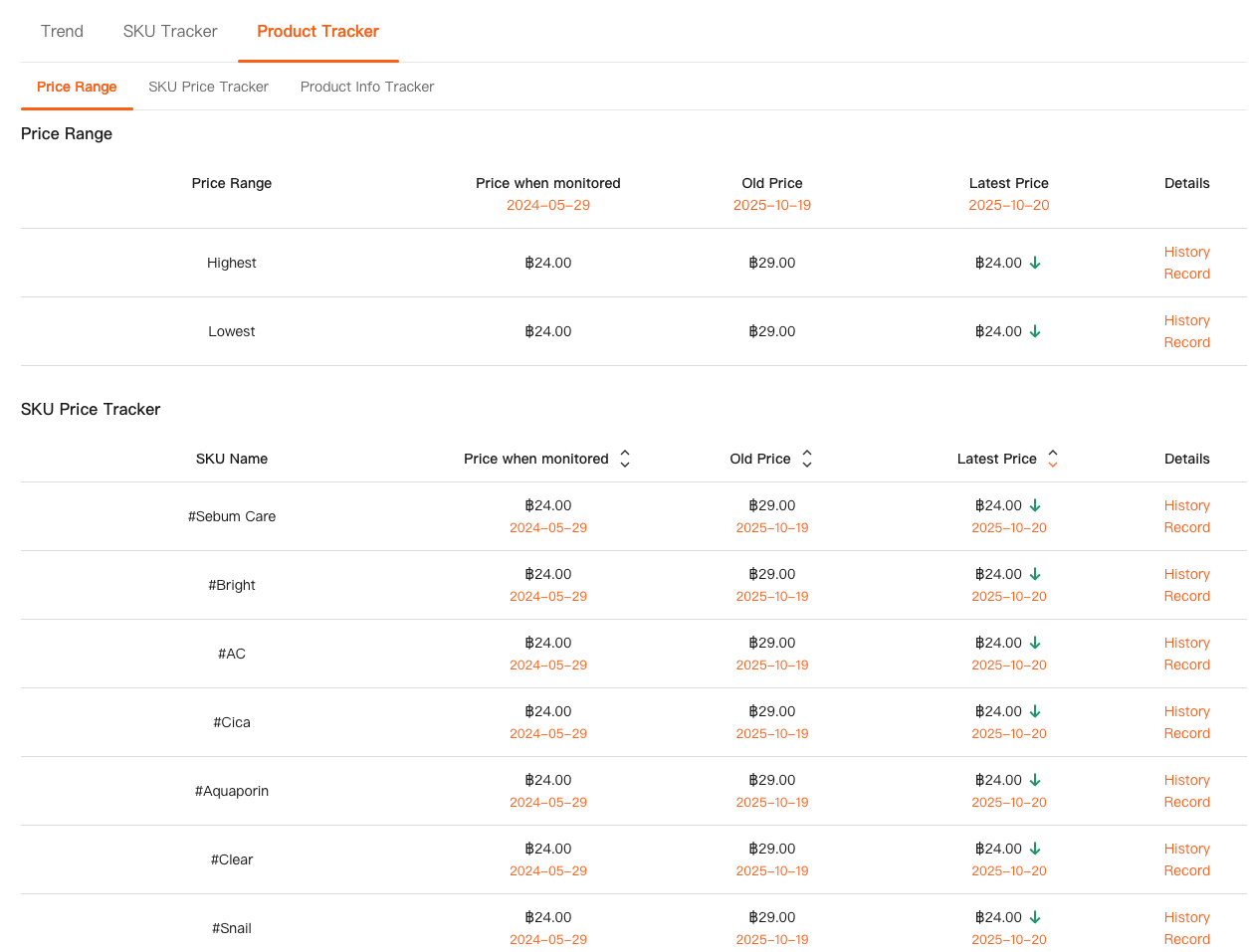
Instead of relying on screenshots or memory, sellers get a structured view of how pricing actually evolves.
From hands-on seller experience, this is especially useful in highly competitive categories where:
- Sellers frequently run “fake discounts”
- Campaign prices quietly become permanent
- New entrants aggressively undercut the market
A Shopee price tracker like Shopdora helps sellers avoid reactive decisions and focus on sustainable pricing strategies.

Why Shopee Pricing Is More Complex Than It Looks
Shopee’s marketplace is extremely price-sensitive, particularly in Southeast Asia. Buyers compare quickly, and the algorithm reacts to conversion signals even faster.
Common real-world pricing traps include:
- Matching a competitor’s short-term discount permanently
- Lowering prices without realizing competitors will rebound
- Assuming lower ROAS is an ad issue, not a pricing issue
Without historical data, sellers often ask the wrong questions:
- “Should I lower my price?”
- Instead of: “Has this price change lasted long enough to matter?”
A Shopee price tracker helps shift decisions from emotion to evidence.
What a Shopee Price Tracker Actually Helps You Do
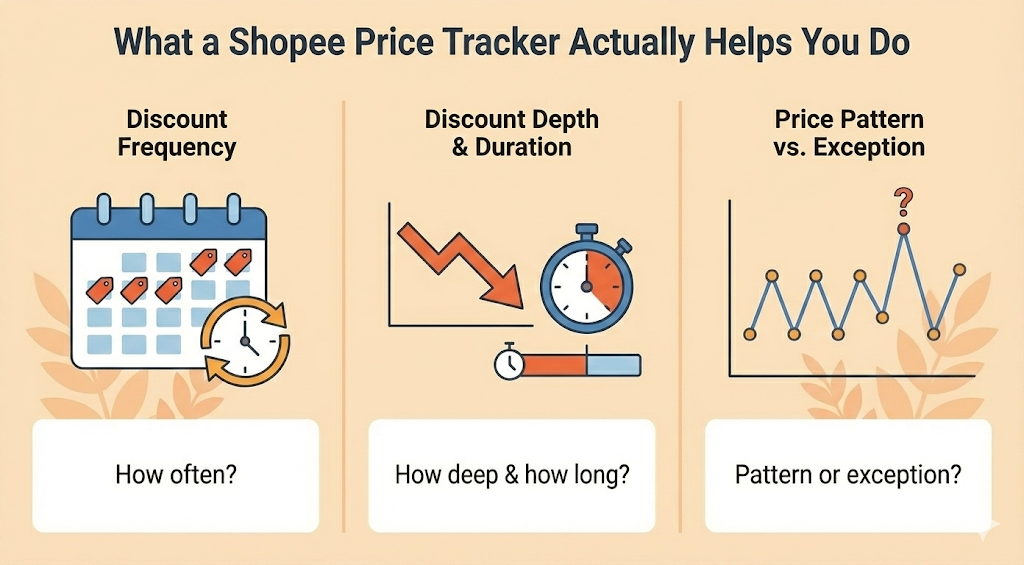
At its core, a Shopee price tracker answers three critical questions:
- How often does this product discount?
- How deep are the discounts—and for how long?
- Is the current price part of a pattern or an exception?
This context is what allows sellers to:
- Time promotions instead of chasing them
- Decide when not to match competitor prices
- Protect margins without losing competitiveness
How Sellers Use Price Tracking in Daily Operations
Based on real seller workflows, price tracking typically supports three stages:
1. Before Launching or Scaling
Before increasing inventory or ad spend, sellers track:
- Whether category prices are stable
- How often top sellers discount
- The true “normal” selling price
This prevents entering a race-to-the-bottom market unknowingly.
2. During Advertising Campaigns
When running ads:
- Price tracking helps diagnose poor ROAS
- Sellers can confirm whether performance drops are pricing-related or traffic-related
This avoids wasting budget on adjustments that don’t address the real issue.
3. During Profit Optimization
Once a product is stable:
- Sellers use price data to maintain margins
- Instead of matching prices, they adjust bundles, SKUs, or timing
The focus shifts from “selling more” to “selling better.”
Price Tracking Is About Strategy, Not Copying
A common misconception among new sellers is that price tracking exists to help you find the lowest price.
In reality, experienced sellers use a Shopee price tracker to:
- Avoid unnecessary price wars
- Identify patterns competitors repeat every month
- Decide when differentiation beats discounting
The goal is not to be the cheapest—it’s to be intentionally priced.
Building Trust Through Data-Driven Pricing
From an E-E-A-T perspective, responsible pricing decisions rely on:
- Historical data, not one-day snapshots
- Regular review, not random adjustments
- Margin-aware strategies that support long-term operations
Tools like Shopdora support this by turning raw price changes into understandable trends, helping sellers make informed, repeatable decisions.
Final Thoughts
Shopee is getting more competitive, not less. Pricing will continue to fluctuate, and sellers who rely only on instinct will always react too late.
A Shopee price tracker doesn’t replace experience—but it strengthens it. It turns pricing chaos into structured insight and allows sellers to compete intelligently instead of emotionally.
For Shopee sellers who care about long-term profitability, tracking price history isn’t optional anymore—it’s foundational.