
Shopee Price Tracker: How Smart Sellers Use Price History to Protect Profits
If you’ve ever woken up to find your Shopee orders suddenly slowing down, there’s a good chance the problem wasn’t traffic — it was price.
Not your price alone, but what happened around it.
In today’s Shopee marketplace, pricing is no longer a “set it and forget it” decision. Prices move daily. Competitors react fast. Campaign discounts distort demand. And if you don’t see those changes clearly, you end up reacting too late.
That’s why experienced sellers rely on a Shopee price tracker, not just instinct.
In this article, I’ll show how sellers use Shopdora’s Product Tracker (part of its Comprehensive Analysis) to spot pricing risks early, respond with confidence, and avoid the most common profit-killing mistakes.
The Hidden Problem: You’re Reacting to Sales, Not Price Signals
Most sellers notice price issues after sales drop.
By then:
- Rankings may already be falling
- Ads get more expensive
- Inventory planning goes off track
The issue isn’t that sellers don’t care about price.
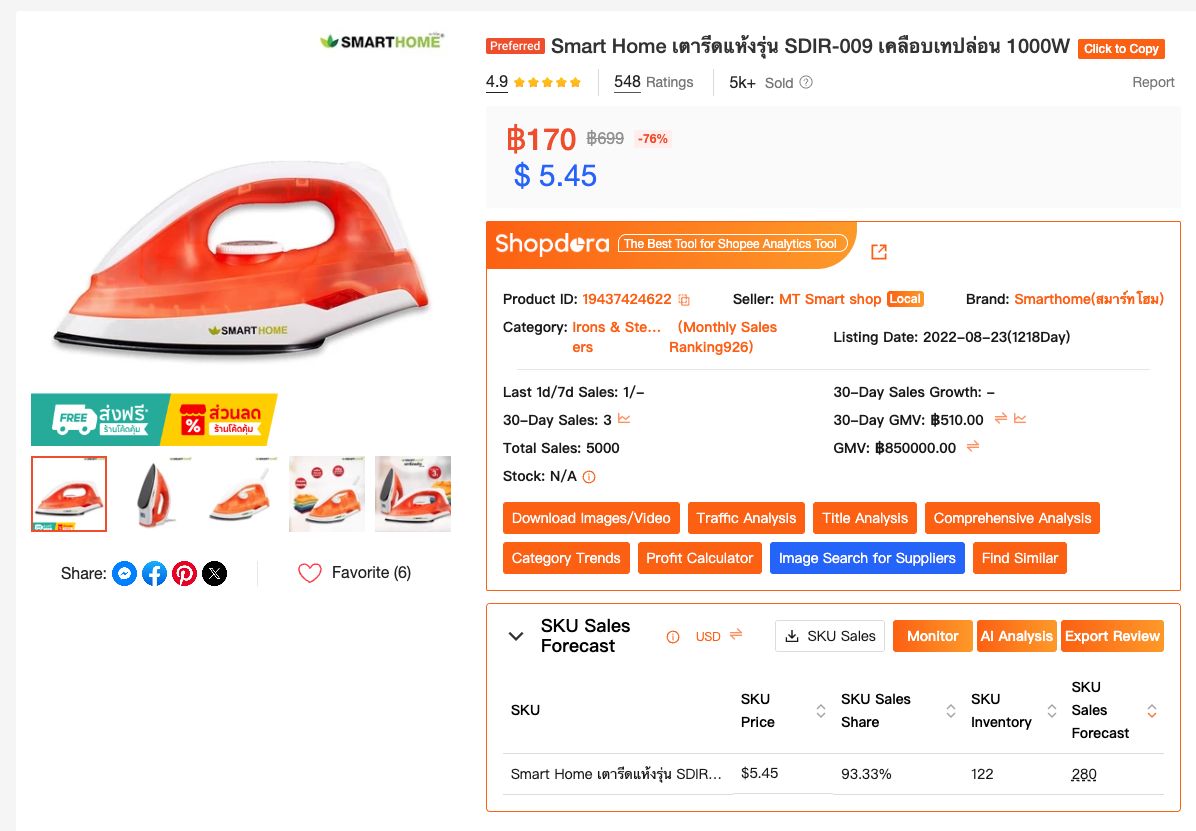
It’s that Shopee itself doesn’t show price history clearly, especially at SKU level.
That’s exactly what Shopdora’s Shopee price tracker is designed to solve.

What Makes Shopdora’s Product Tracker Different
Inside Shopdora’s Comprehensive Analysis, the Product Tracker focuses on one thing sellers rarely see clearly: price behavior over time.
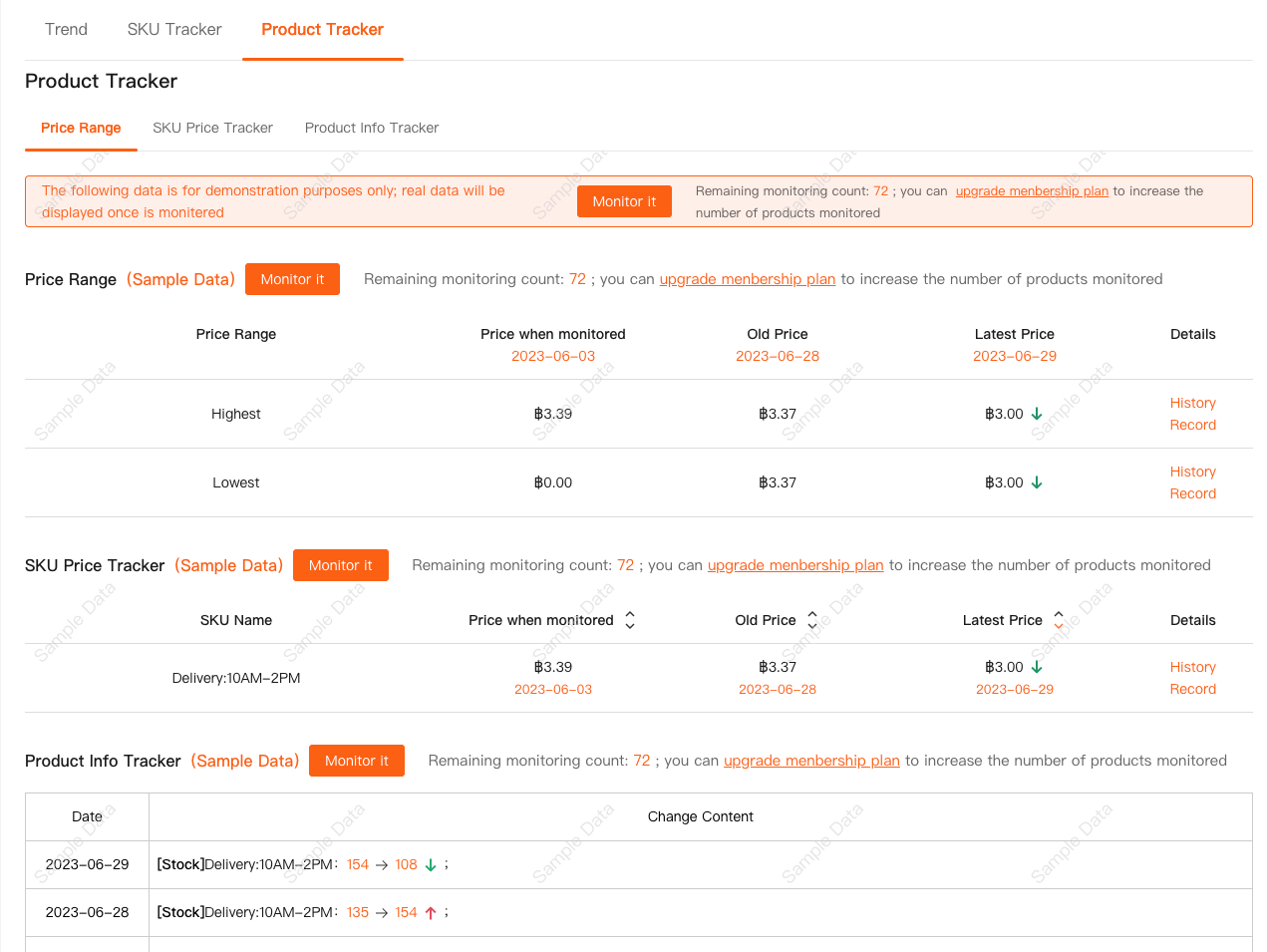
With Product Tracker, you can monitor:
- Historical price range (highest vs lowest)
- Old price vs latest price
- Exact price change dates
- SKU-level price changes
- Inventory changes tied to price
- Product info changes (including stock updates)
This turns pricing from a guess into a timeline.
Instead of asking “Why did sales change?”, you can ask:
“What price event triggered this change?”
That’s a very different — and much more powerful — question.
Real Seller Scenario #1: “My Sales Dropped, But I Didn’t Change My Price”
This is one of the most common complaints.
Using Shopdora’s Product Tracker, sellers often discover:
- A competitor quietly lowered price 3–5 days earlier
- A specific SKU price changed while others stayed the same
- A previous campaign discount expired, raising the effective price
Because Shopdora records price when monitored, old price, and latest price, you can match sales dips directly to price movements — yours or your competitors’.
This clarity prevents panic moves like:
- Over-discounting
- Killing ads too early
- Slashing all SKUs instead of one

Real Seller Scenario #2: SKU Pricing Is Quietly Hurting Your Profit
Many sellers price all SKUs similarly — and pay for it later.
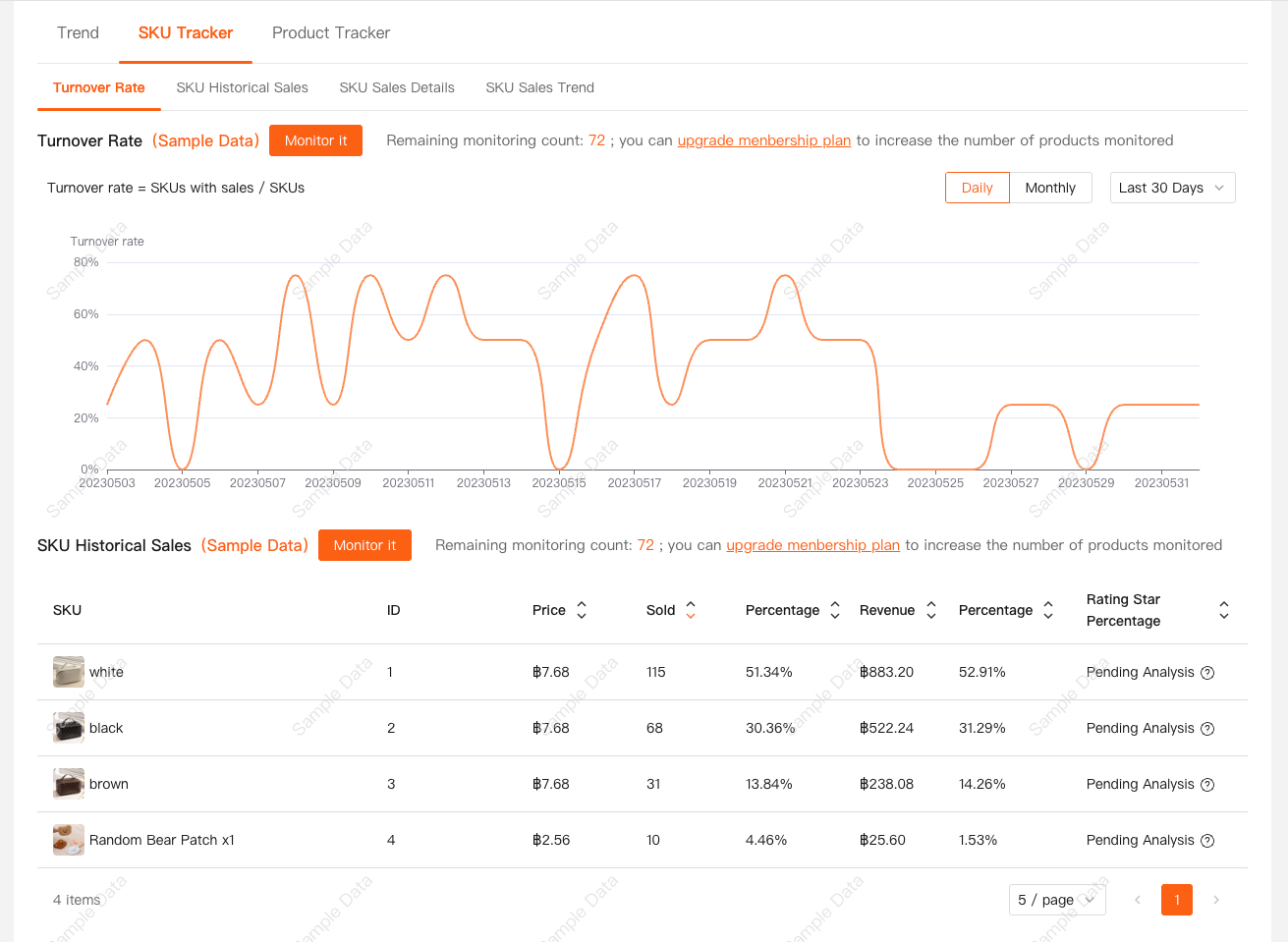
With Shopdora’s SKU Price Tracker, you can see:
- Which SKU price changed
- When it changed
- How inventory responded afterward
In practice, sellers often find:
- One SKU is discounted too aggressively and drains margin
- Another SKU never converts because it’s priced slightly too high
- Inventory depletion doesn’t match sales expectations
Because Shopdora tracks SKU inventory and price together, pricing decisions become measurable instead of emotional.

Real Seller Scenario #3: Campaign Pricing vs Long-Term Damage
Flash sales and platform campaigns are double-edged swords.
They boost volume — but they also reset buyer expectations.
Using Shopdora’s Shopee price tracker, sellers can:
- Compare campaign price vs post-campaign recovery
- See whether prices bounce back or stay suppressed
- Identify how long sales momentum actually lasts
If you’ve ever wondered why sales don’t fully recover after a big promo, price history usually has the answer.
Why a Shopee Price Tracker Beats Manual Monitoring
Some sellers still track prices manually or rely on memory.
That breaks down quickly because:
- Shopee prices change frequently
- SKUs behave differently
- Human memory is biased by recent results
Shopdora automates this process and keeps the record clean:
- No missing dates
- No “I think it was cheaper last week”
- No confusion between SKUs
You’re looking at facts, not impressions.
How Experienced Sellers Actually Use This Data
Advanced sellers don’t use a price tracker to constantly undercut.
They use it to:
- Decide when not to react
- Protect margins on high-performing SKUs
- Time price changes around inventory cycles
- Align ads with sustainable prices
That’s the difference between short-term volume chasing and long-term store health.
Why Shopdora Fits Real Shopee Workflows
What makes Shopdora effective isn’t just data access — it’s placement.
All of this price tracking happens:
- Directly from the Shopee product page
- Inside a single Comprehensive Analysis view
- Without switching tools or dashboards
That matters when decisions need to be fast.
Final Thoughts: Pricing Is a Signal, Not Just a Number
On Shopee, price tells a story:
- About competition
- About demand
- About buyer expectations
If you only look at today’s price, you miss the story.
A proper Shopee price tracker, like Shopdora’s Product Tracker, lets you read that story clearly — and act before profits disappear.
For sellers who want control instead of guesswork, price history isn’t optional anymore. It’s strategy.