
Shopee Price Tracker Secrets: How I Optimized My Store Using Real-Time Insights
Hi, I’m David. I’ve been running my own Shopee store for over three years, and I know firsthand how brutal the marketplace can be when it comes to pricing. A few months ago, I found myself in a situation I’m sure many Shopee sellers have faced: I had a product that was performing decently, but competitors kept undercutting my prices, and I had no clear way of tracking these changes in real time. That’s when I decided to integrate a Shopee price tracker into my workflow, and it changed the way I manage my shop.
Before diving into tools, let me paint the picture. I was juggling multiple SKUs across several categories, and manually checking prices was not only time-consuming but almost impossible to keep accurate. Every morning, I would log in, search for my products, scroll through listings, and try to make sense of the fluctuating prices. Some sellers would drop their prices aggressively, while others offered discounts that were easy to miss. By the time I reacted, I’d often already lost sales. This inefficiency was frustrating and impacting my revenue.

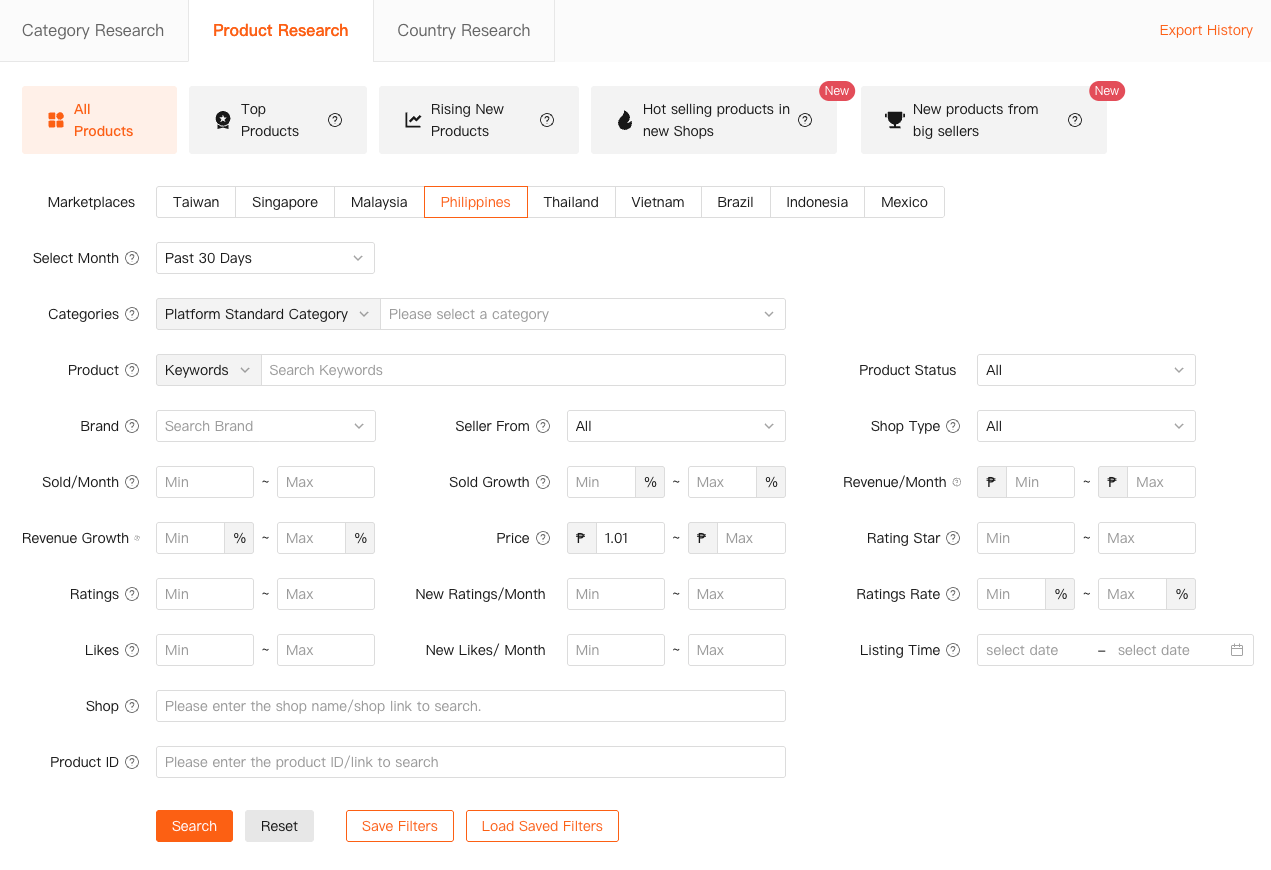
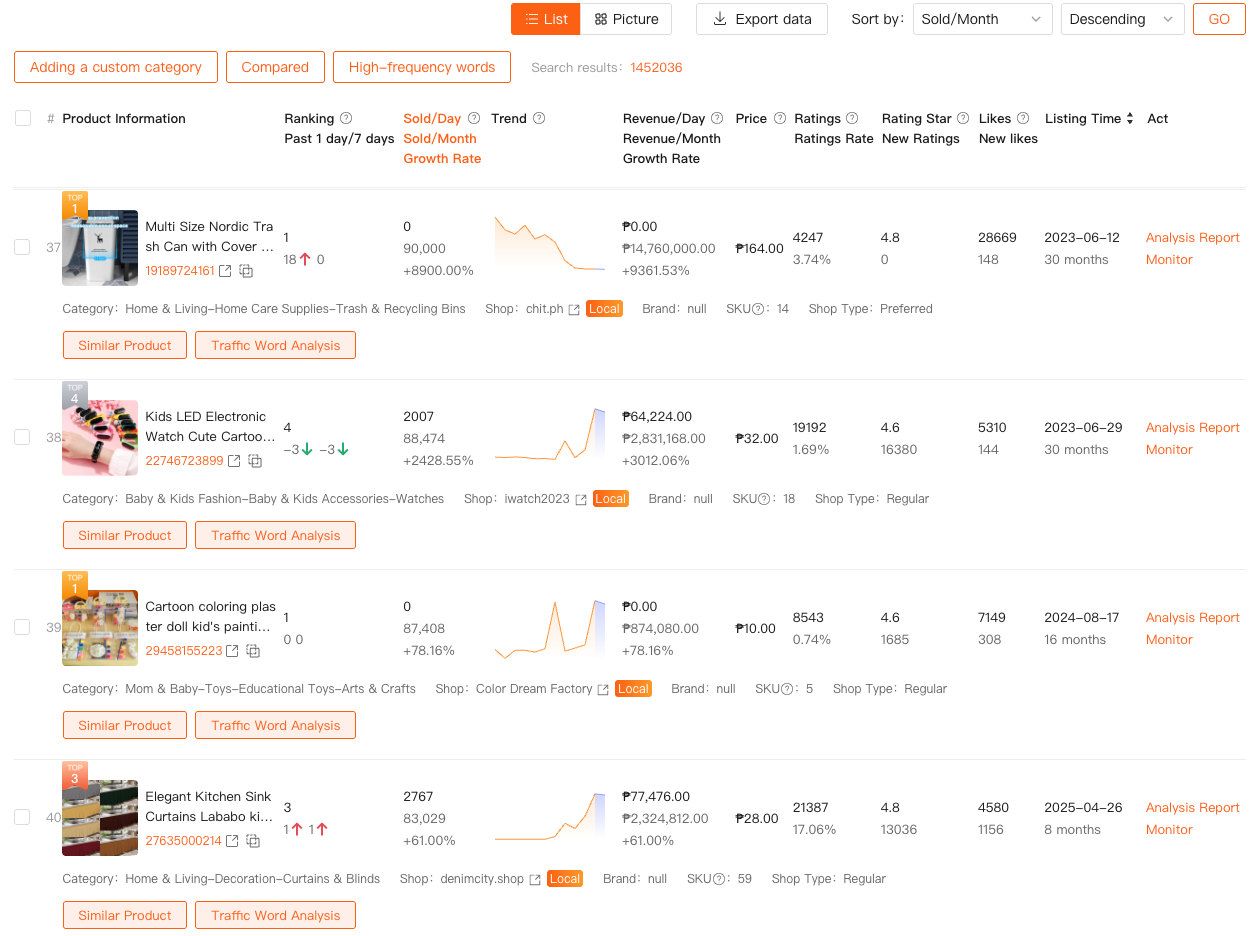
This is where Shopdora’s Product Research feature came in. Initially, I used it to analyze competitor products across the categories I was targeting. The tool aggregates real-time pricing, sales volumes, and trends, giving me a clear snapshot of the market. I could instantly see which sellers were offering similar products at lower prices and identify patterns in their pricing strategies. What I love about this is that it doesn’t just give me static numbers—it shows trends over time. Seeing this pattern allowed me to schedule my promotions more intelligently.
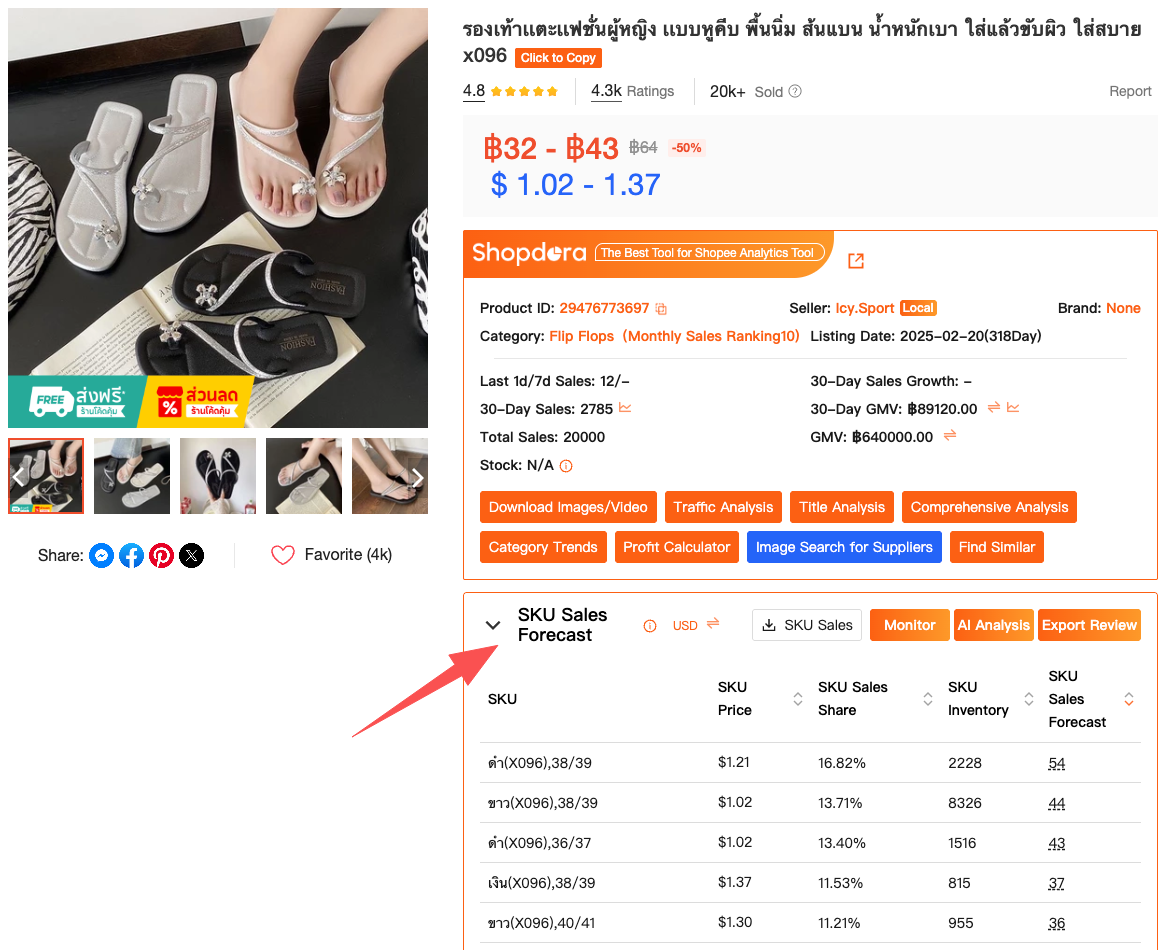
One particular SKU taught me a lot. I noticed its sales were dipping despite good traffic. Using Shopdora’s SKU Insight, I discovered that two major competitors had quietly dropped their prices over the past two weeks. This was something I would have never spotted manually. With this insight, I adjusted my pricing slightly below theirs while highlighting unique features in my product description. Within days, sales picked back up, and my listing regained visibility. What struck me most was how accurate and timely the SKU Insight data was—it essentially allowed me to respond to the market almost as soon as changes occurred.
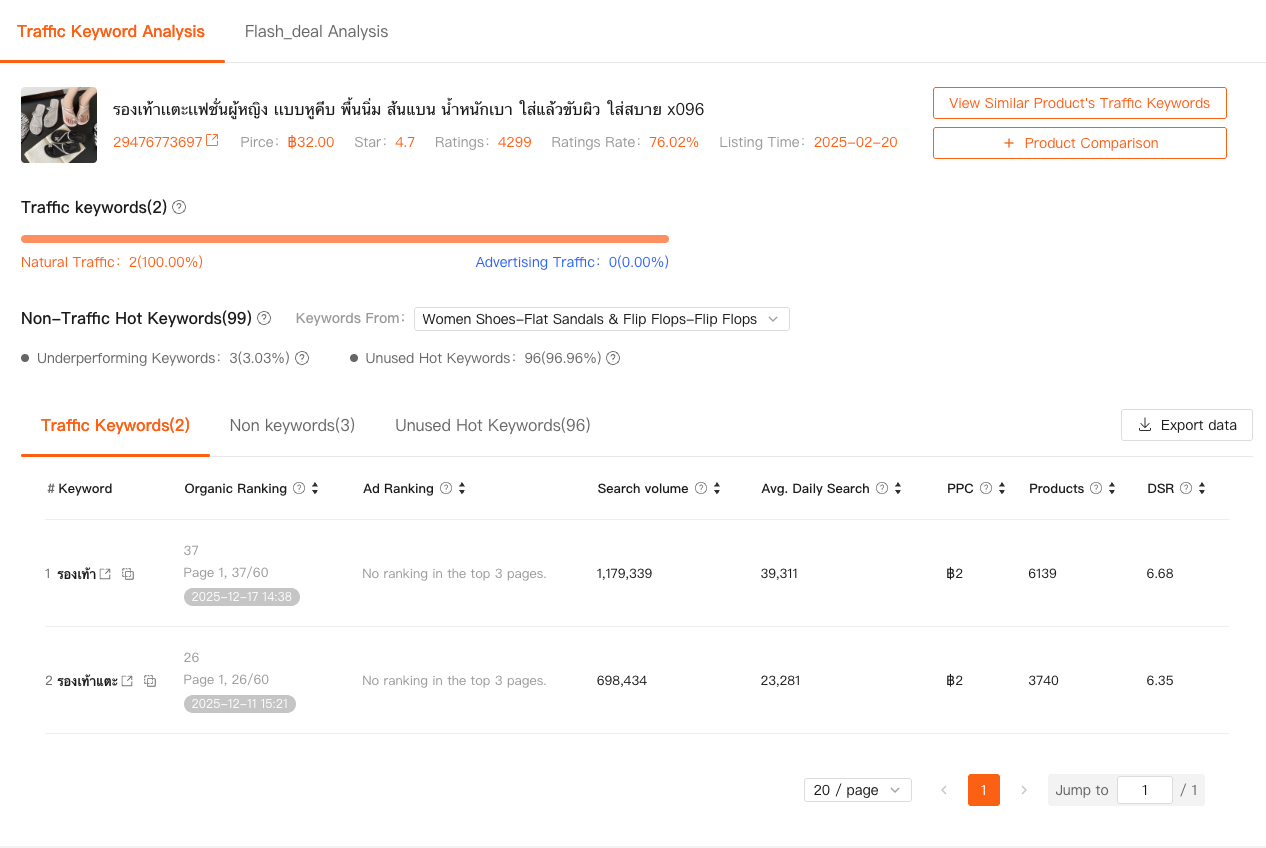
Another layer of the puzzle came from Traffic Analysis. Knowing competitor prices is only half the story; understanding how much traffic those listings were getting is critical. Shopdora provides a breakdown of both organic and paid traffic for competitor products. I realized that some listings with slightly lower prices weren’t selling as much because they didn’t have strong organic visibility. Meanwhile, the top sellers had invested heavily in paid promotions. This allowed me to make smarter decisions about when to match competitor prices, when to focus on boosting my listing with better keywords, and when to run targeted promotions. It was like having a microscope on the market, letting me see not just what’s happening but why.
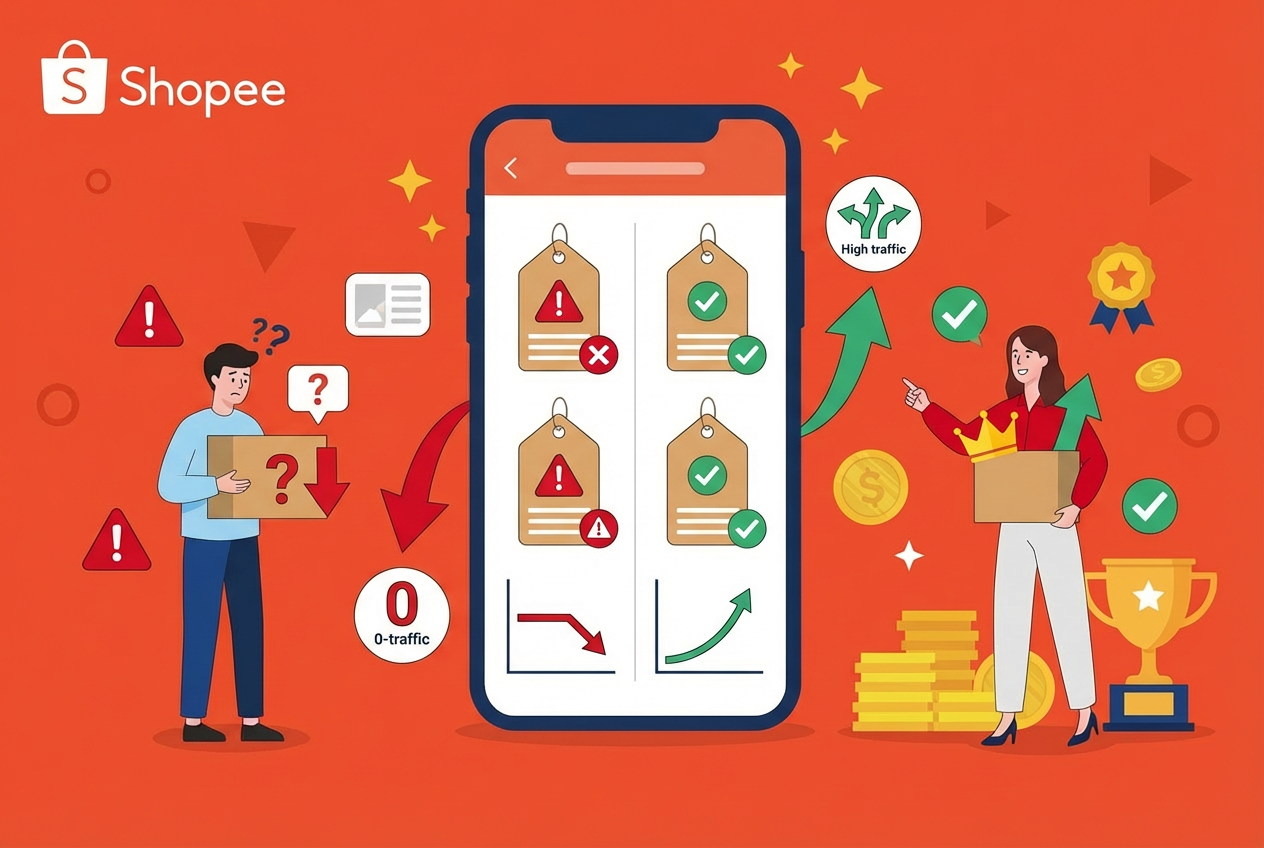
Integrating these insights into my daily routine transformed how I approached pricing strategy. I started setting dynamic price alerts for key SKUs, so I’d be notified whenever a competitor made significant changes. This wasn’t just about reacting—it was about planning ahead. For example, if a competitor ran a temporary promotion, I could decide whether to temporarily match it, run a bundled offer, or focus on another SKU that was more profitable at stable prices.
One unexpected benefit of this system was discovering hidden pricing opportunities. By analyzing traffic and SKU performance, I could identify products that weren’t necessarily priced lowest but had higher conversion rates due to strong reviews or brand recognition. This meant I didn’t always have to compete solely on price—sometimes I could maintain a higher price point and focus on value presentation. Before using a dedicated price tracker, I would have assumed that lower-priced competitors always meant a direct threat. Now, I make nuanced decisions backed by data.
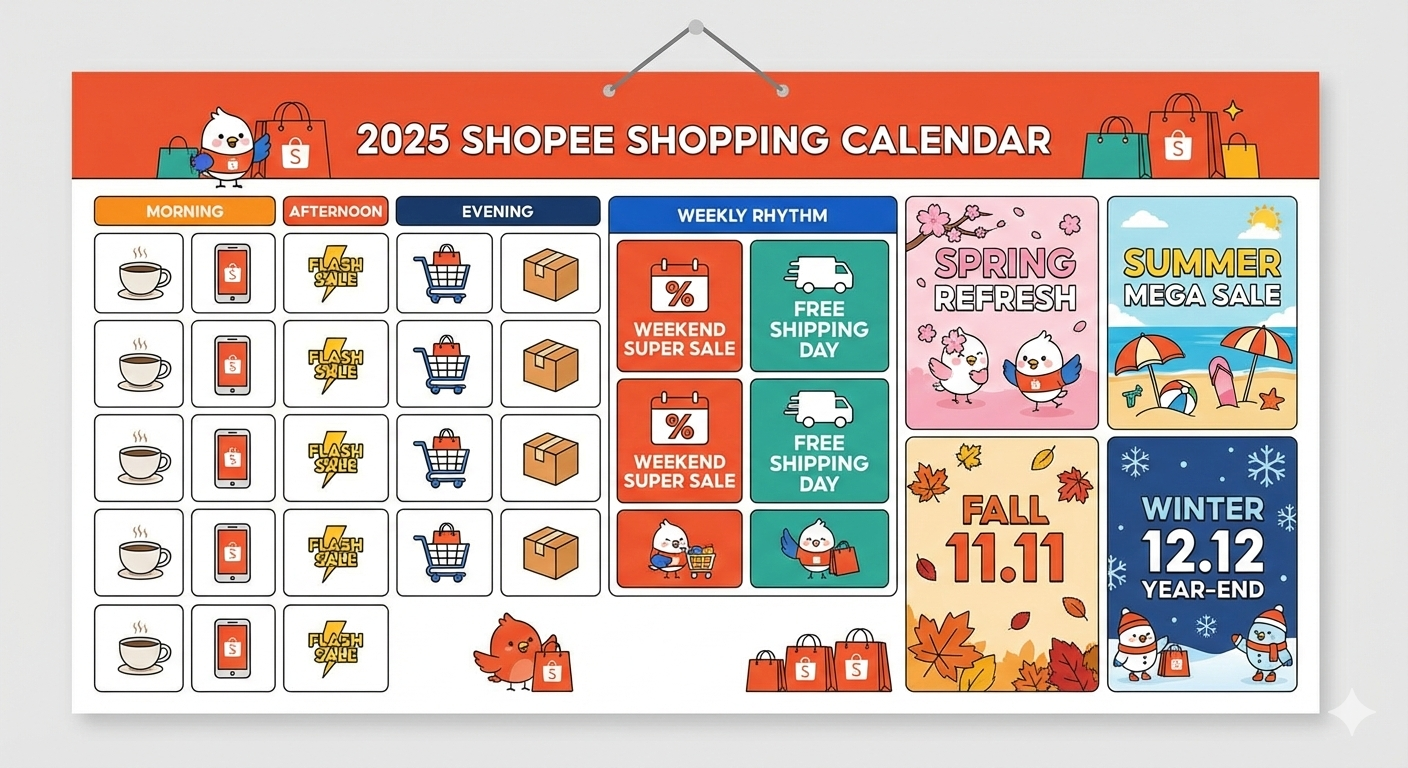
I also found that the Shopdora data was incredibly useful for seasonal planning. Shopee sellers know that certain months or holidays can shift buyer behavior drastically. By looking at historical pricing trends and competitor activity, I could predict when prices might drop, when sales would peak, and when running promotions would have the most impact. This allowed me to prepare inventory, optimize marketing campaigns, and ensure I wasn’t leaving money on the table.
For anyone struggling with pricing competition, here’s my advice: don’t just track prices in isolation. Combine pricing data with sales trends, traffic insights, and SKU-level analysis. Tools like Shopdora make this possible without hours of manual research. You get a clear picture of the market, so you can act with confidence rather than guesswork. Over time, this approach doesn’t just protect your margins—it can actively increase them by helping you identify products with pricing leverage, optimize listings for visibility, and anticipate market moves before they happen.

To be clear, I’m not saying this is a “set it and forget it” solution. You still need to engage with your listings, update descriptions, and monitor promotions. But having a Shopee price tracker integrated with actionable insights from tools like Product Research, SKU Insight, and Traffic Analysis gives you the edge that manual checks can’t.

Reflecting on my experience, it’s clear that the real power comes from combining multiple data streams. Price alone tells only part of the story. By understanding competitor strategies, traffic dynamics, and sales patterns, I can make decisions that maximize revenue while keeping my shop competitive. For me, this has turned a previously stressful and reactive process into a structured, strategic approach.
In conclusion, if you’re a Shopee seller trying to navigate a crowded marketplace, adopting a data-driven approach to pricing is essential. Tools like Shopdora’s Product Research, SKU Insight, and Traffic Analysis are not just about tracking competitor prices—they’re about understanding the market, predicting trends, and making smarter business decisions. For anyone still relying on manual price checks, the difference is night and day. The insights you gain can protect your margins, improve sales, and free up your time to focus on growing your store rather than chasing competitors.