
Shopee Product Promotion, Step by Step: The Critical Stage Most Sellers Skip
When promoting a Shopee product, many sellers run into the same frustrating problem:
The product isn’t completely unsellable—but it never truly scales.
Orders come in sporadically. Traffic fluctuates. No matter how much effort goes into ads or optimization, volume simply refuses to break out.
The root cause usually isn’t a lack of advertising skills. It’s a deeper issue: product promotion on Shopee is not a single action—it’s a continuous, staged process.
From before a product goes live, to its first stable orders, to scaling while controlling costs, each phase has a completely different focus. If the sequence is wrong, every effort made later will be diluted by earlier mistakes.
What follows is a complete, repeatable framework for Shopee product promotion, built from real operational experience.

Phase 1: Preparation — Deciding Whether Your Shopee Product Is Even Promotion-Ready
Before spending a single dollar on ads, the most important question is not how to promote—but whether this product deserves promotion at all.
This starts with a deep understanding of the product itself. Sellers should clearly map out packaging methods, dimensions and weight, color and material options, fulfillment costs, logistics constraints, production cycles, cost structure, and realistic target price ranges.
The purpose of this step is simple: determine whether the product can actually “run” on Shopee—before ad spend exposes hidden cost issues.
Once the product is clear, the next step is market validation at the site level. Sellers should analyze category traffic trends in the target Shopee market: is demand stable or volatile? Where is the mainstream price band? Which price ranges capture most sales volume? Are there dominant sellers or strong brands already occupying the space?
Equally important is understanding user pain points, core buying motivations, and the category’s typical conversion and return rates. These factors determine whether the market is competitive—but still viable—or already oversaturated.

Next comes building a keyword database, not for writing titles yet, but to help the system understand what your Shopee product truly is. Keywords should be structured across multiple layers: core terms, functional or attribute terms, usage scenarios or audience descriptors, and high-intent long-tail keywords.
This keyword structure later becomes the foundation for listing optimization and ad architecture.
With keywords in place, sellers should analyze competitors—both category leaders and newly rising listings. The focus isn’t just sales volume, but how those listings are promoted: pricing behavior, creative updates, bundle strategies, and whether growth is sustained or short-lived.
Finally, everything comes together in listing design. Main images and videos should be planned before launch, with clear selling-point scripts. Specifications should be simplified, pricing aligned with buyer psychology, and initial inventory, replenishment cycles, and safety stock defined to support promotion.

Phase 2: Early Promotion — Validating Data, Not Chasing Sales
In the early stage of promotion, profitability is not the primary goal. The real objective is to validate whether the Shopee product can consistently receive and convert traffic.
Click-through rate is the first key signal. Only when CTR reaches a reasonable level (for example, above 3%) should sellers gradually introduce ads. Budget increases should be cautious, and ROAS targets adjusted steadily—not aggressively.
At the same time, a review strategy should be in place. Early reviews and basic listing trust signals help both users and the system recognize the product as credible. Buyer interactions and customized promotions matter here—not to attract massive traffic, but to encourage repeat behavior and positive engagement.
Throughout this phase, sellers must closely monitor ad data, reviews, order stability, and inventory health. Growth should feel organic and upward—not artificially forced.

Phase 3: Mid-Stage Promotion — Expanding Entry Points Before Scaling Volume
Once orders stabilize, the focus of Shopee product promotion shifts.
At this point, simply increasing budget rarely works. The real task becomes expanding traffic entry points and improving traffic structure.
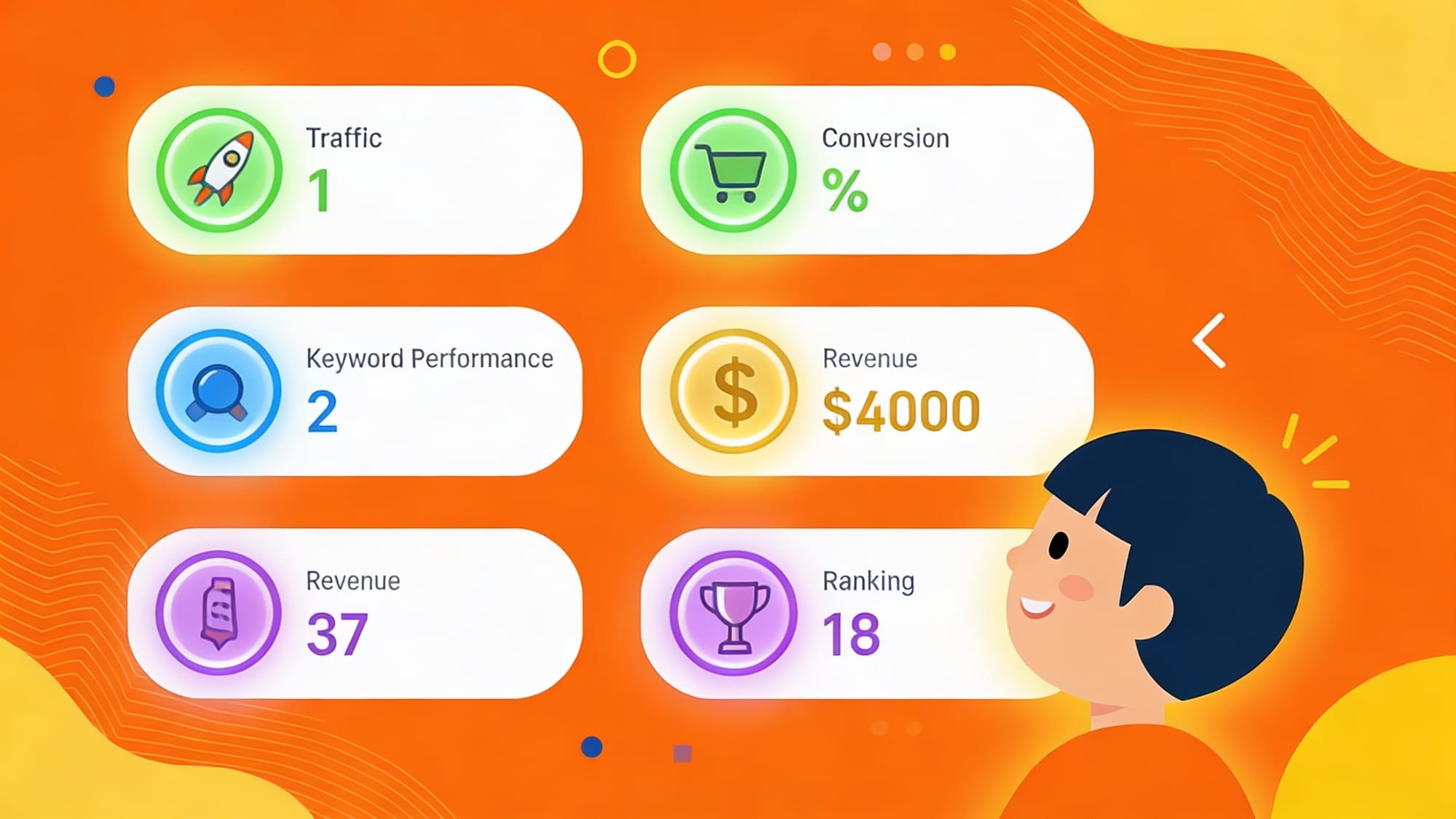
By analyzing ad performance across different keywords and placements, sellers can identify which traffic sources convert most reliably. These high-quality entry points should then be refined and expanded, while weaker ones are trimmed.
Inventory management becomes critical. Safety stock must scale alongside order growth to prevent stockouts or excess accumulation. Sellers should also watch fluctuations in sales and keyword rankings to determine whether growth is sustainable or driven by short-term incentives.
Phase 4: Late-Stage Promotion — From Traffic Growth to Profit Defense
When a Shopee product reaches maturity, promotion strategy shifts from offense to defense.
Ad optimization focuses less on exposure and more on ROAS stability and cost structure. Reducing ineffective spend and maintaining healthy margins becomes the priority.
At the same time, sellers should monitor new competitors entering the market and assess whether product upgrades or iterations are necessary. Mature products can also leverage bundled offers or related items to maximize the value of existing traffic instead of relying on a single listing.
Final Thoughts
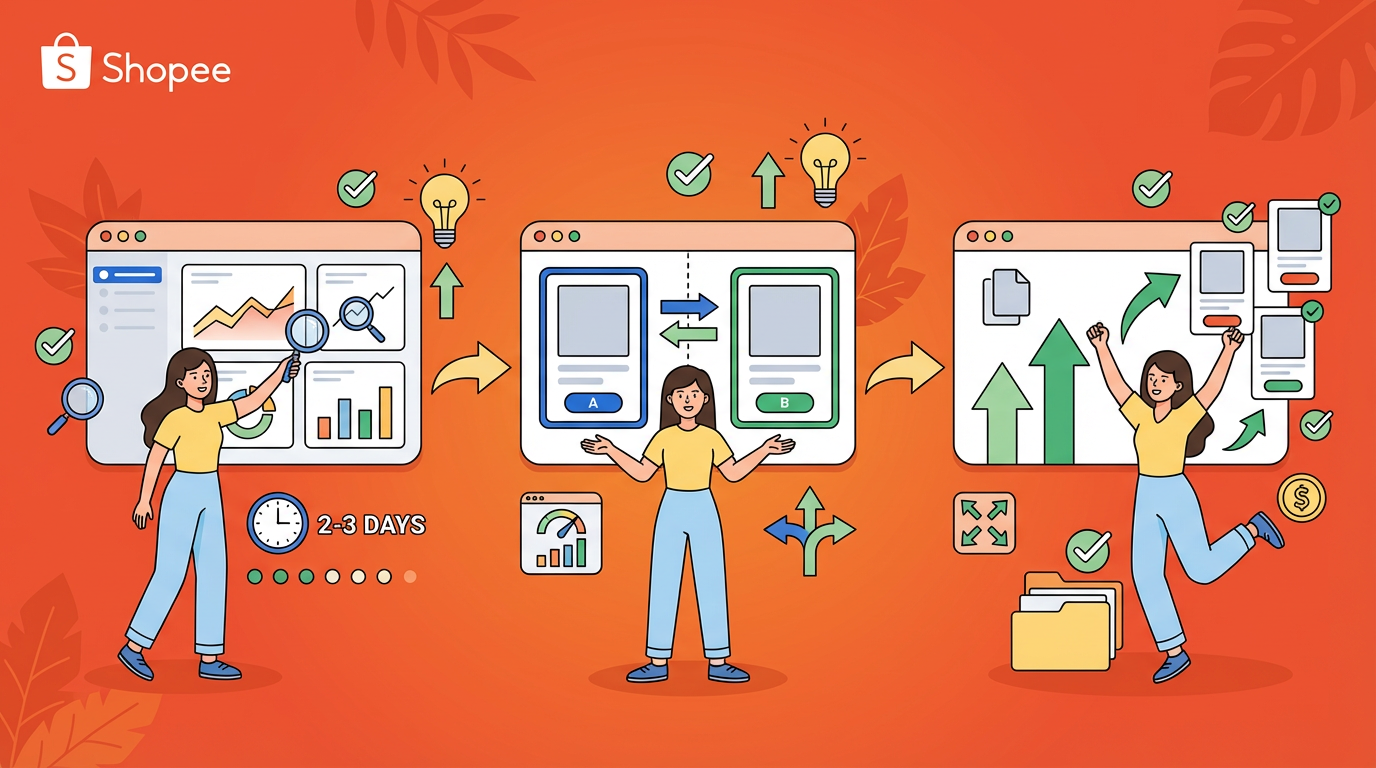
Shopee product promotion is never about a single trick or tactic. It’s about whether the right decisions are made at each stage.
Preparation determines whether you can enter the game.
Early promotion determines whether you can stay.
Mid-stage scaling determines whether you can grow.
Late-stage optimization determines whether you can profit long term.
Products that truly succeed on Shopee are rarely the most complicated ones—but they are almost always the ones promoted at the right pace, in the right order, at the right time.