
Shopee Product Title: How to Optimize Shopee title for More Clicks and Sales
Ask ten Shopee sellers why their product isn’t selling, and most will point to price, ads, or traffic.
But after reviewing hundreds of underperforming listings across different Shopee markets, I’ve noticed a more basic problem hiding in plain sight:
👉 The Shopee product title isn’t doing its job.
A Shopee product title isn’t just a product name. It’s a search signal, a relevance filter, and often the only reason a buyer clicks your product instead of the one next to it.
If your title doesn’t match how buyers actually search — you’re invisible, no matter how good your product is.
Why Shopee Product Titles Matter More Than Most Sellers Realize
Shopee search works by matching keywords in buyer queries with keywords in product titles. That sounds simple, but many sellers get it wrong in three common ways:
- Titles are too short and vague
- Keywords are added randomly, without volume data
- Sellers copy competitors without understanding why those titles work
The result?
Low impressions, poor click-through rates, and wasted ad spend.
From experience, a well-optimized Shopee title can increase organic exposure even without ads — especially in competitive categories like home appliances, kitchen tools, or daily-use items.
How Shopee Sellers Use Shopdora’s Title Analysis to Fix This
This is where structured analysis makes a real difference.
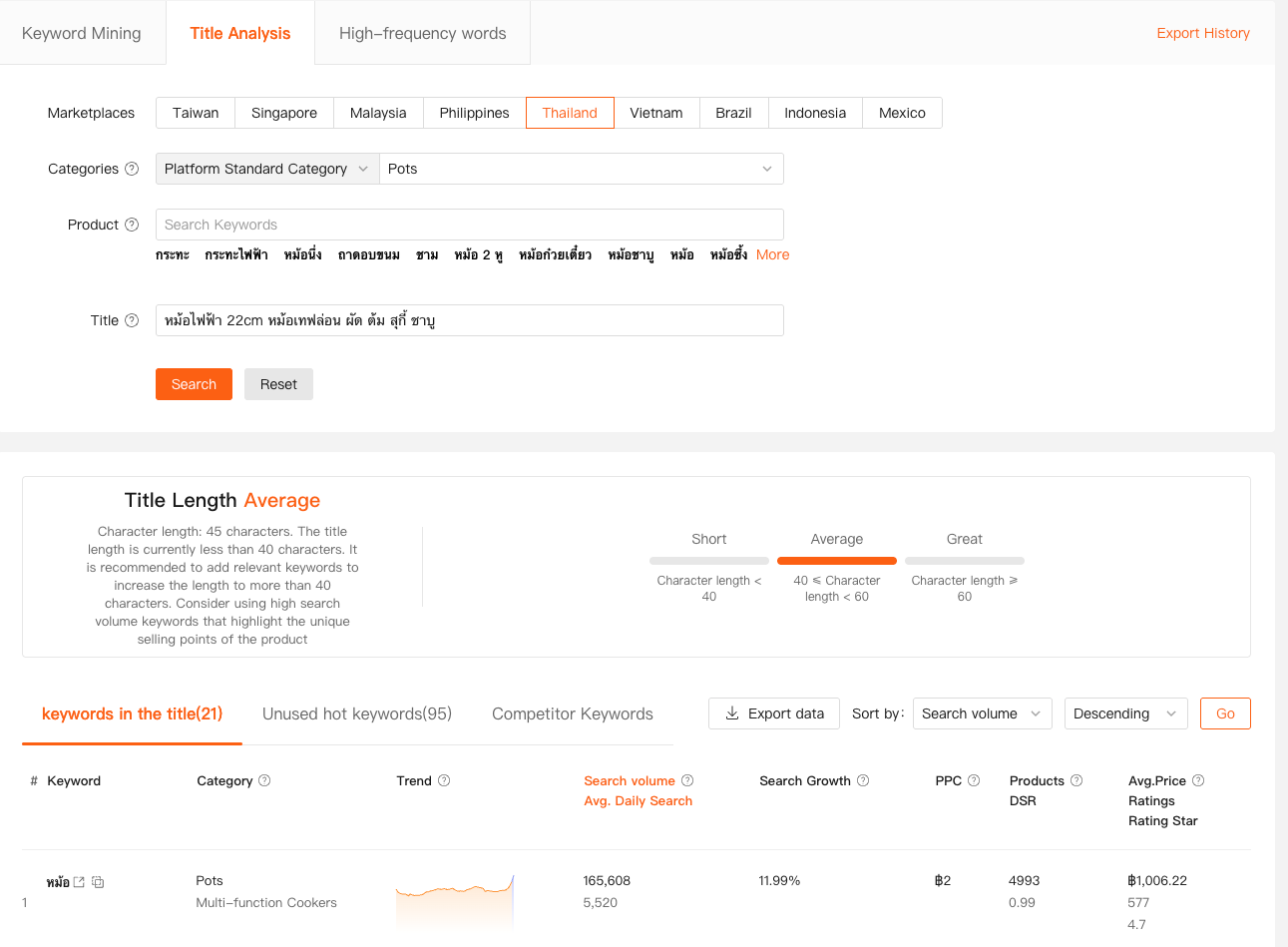
Shopdora’s “Title Analysis” feature is designed specifically for sellers who want to understand how their Shopee title performs at a keyword level, not just guess.
Here’s how sellers typically use it:
- Select the Shopee site and product category
- Paste in their current product title
- Instantly see:
- Title length evaluation (short / average / ideal)
- Keywords already used in the title
- Search volume and growth for each keyword
- Unused high-potential keywords
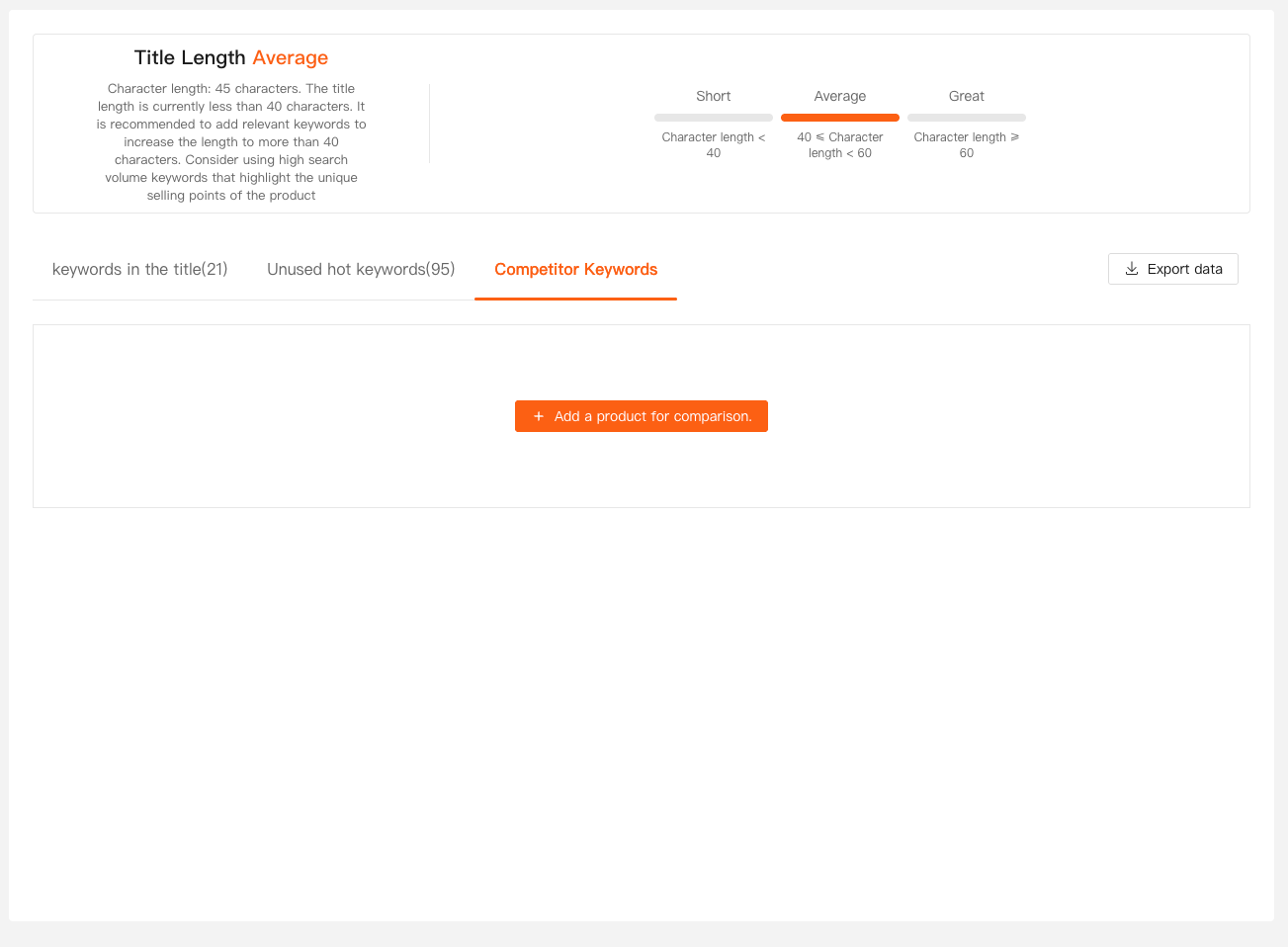
- Paste a competitor product link to compare titles side by side
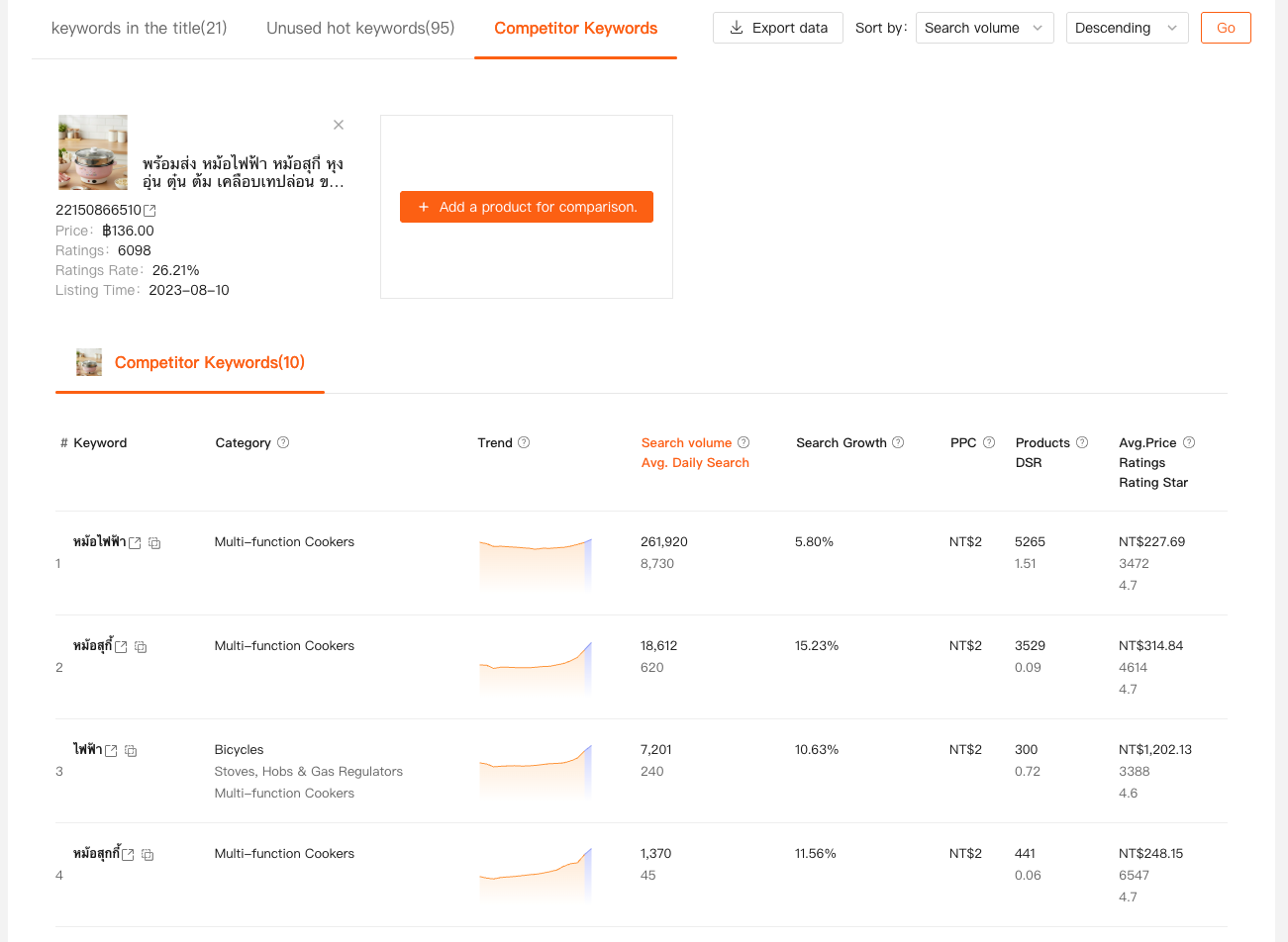
This approach shifts title optimization from opinion-based (“this sounds good”) to data-backed decisions.
Instead of blindly adding more words, sellers can see which keywords actually bring search traffic — and which ones don’t.
How to Read Shopee Product Title Data Like an Experienced Seller
Seeing keyword data is one thing. Using it correctly is another.
Here’s how experienced Shopee sellers interpret title analysis results:
1. Title length matters — but relevance matters more
Shopee titles that are too short often miss valuable search terms.
But longer isn’t automatically better. The goal is dense relevance, not keyword stuffing.
2. Prioritize keywords with real search volume
Some words sound professional but get almost no searches.
High-performing sellers focus on buyer language, not industry language.
3. Watch keyword trends, not just totals
A keyword with moderate volume but strong upward growth often outperforms a declining “hot” keyword over time.
4. Compare against top competitors — not random listings
Title comparison only works if you benchmark against sellers who are already converting, not just ranking.
This is why pasting competitor links into a title analysis tool is so powerful — it reveals patterns you’d never see manually.

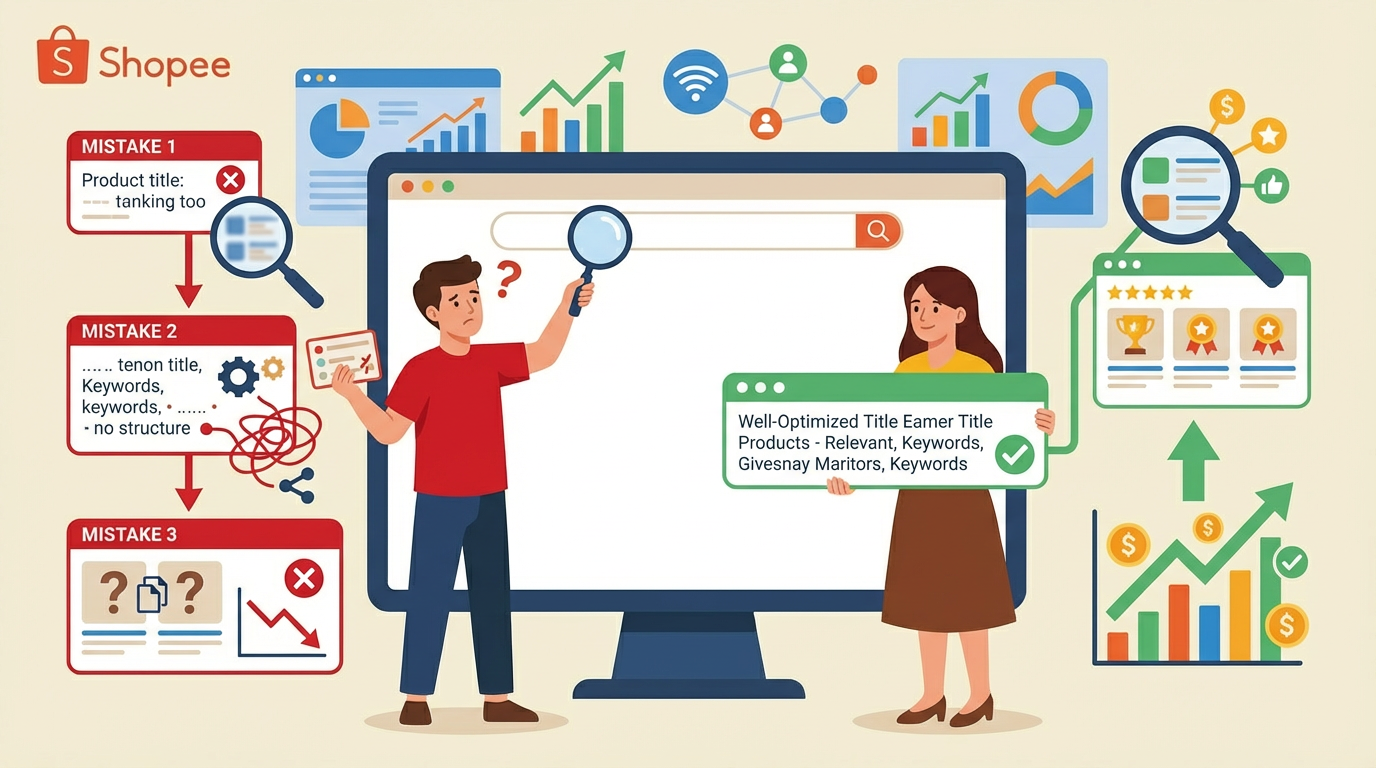
Common Shopee Title Mistakes (and How to Avoid Them)
Based on real seller audits, these mistakes show up again and again:
- Using internal supplier names buyers never search for
- Repeating the same keyword multiple times instead of adding variations
- Ignoring local language nuances across Shopee regions
- Copying high-ranking titles without checking keyword overlap
A Shopee title should be search-driven first, branding second — especially for new or non-official stores.
Turning a Shopee Product Title into a Growth Asset
A strong Shopee title does three things at once:
- Matches real buyer search behavior
- Improves organic ranking and ad relevance
- Increases click-through rate without lowering price
From experience, sellers who review and optimize titles regularly — especially after market trends shift — tend to recover faster from sales drops and scale more predictably.
Tools like Shopdora don’t replace seller judgment.
They compress learning time, helping sellers see in minutes what would otherwise take weeks of trial and error.
Final Thoughts
If you treat your Shopee title as a formality, Shopee will treat your product as optional.
But if you treat it as a search strategy, it becomes one of the highest-ROI optimizations you can make — with or without ads.
For Shopee sellers serious about long-term growth, title optimization isn’t a one-time task.
It’s an ongoing competitive advantage.