
The Ultimate Guide to Shopee Keywords: Boost Your Visibility and Sales

Let’s be real—selling on Shopee can feel like shouting in a packed mall. Millions of items, endless scrolls, and your amazing product is buried on page ten. Why? Simple: no one can find it. The real secret of top sellers isn’t just a killer product or slick photos. It’s something much simpler: Shopee keywords.
Think of Shopee keywords as your product’s address in a massive digital city. Get them wrong, and you’re invisible. Nail them, and you’re on the map. Yes, “keyword research” sounds like homework, but it’s what separates listings that sell from those that sit. This guide cuts the fluff and shows you how to use Shopee keywords to get seen, clicked, and bought—no jargon, just results.
Understanding Shopee’s Search Algorithm (It’s Not Magic)

Before you toss Shopee keywords everywhere, know how Shopee search works. It’s not a mystery—it’s a smart system built to match buyers with what they’ll likely buy. The algorithm craves relevance, rewards good sellers, and loves products that convert.
Here’s what it tracks:
- Keyword relevance in your title, description, and attributes.
- Product performance—sales, reviews, clicks.
- Your seller reputation—shipping speed, ratings, service.
- Listing freshness (updates help!).
- Customer actions—clicks, saves, shares.
So, stuffing your title with random hot terms won’t work. You need to match what real people type. It’s about speaking their search language.
The Anatomy of Effective Shopee Keywords
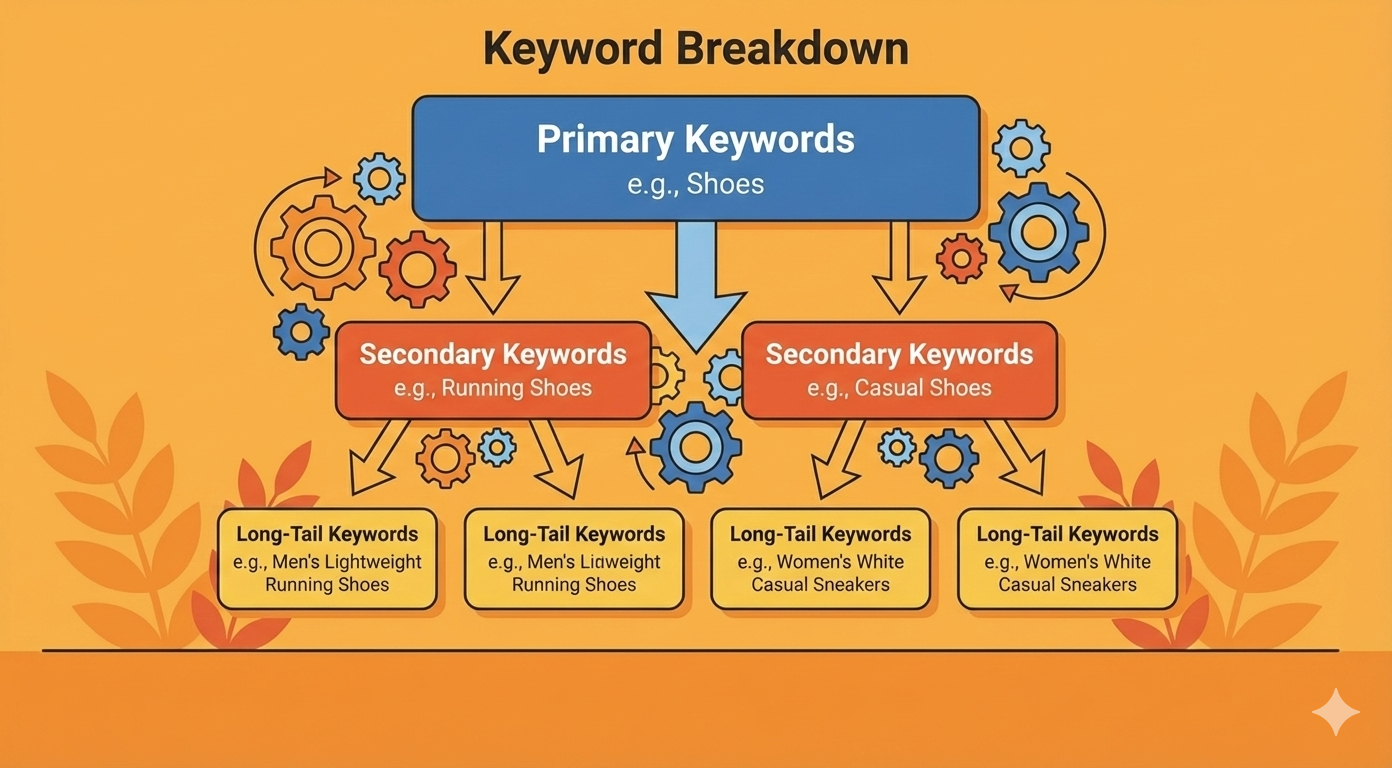
Primary Keywords: The Main Attraction
These are your core terms. Selling sneakers? Your primary Shopee keywords are “running shoes” or “sneakers women.” They belong front and center in your title. No exceptions.
Secondary Keywords: The Helpful Sidekicks
These are related terms that pull extra eyes. For sneakers, think “gym shoes” or “walking shoes.” Not the star, but they bring in valuable traffic.
Long-Tail Keywords: The Precision Experts
These are specific, often longer phrases. “Women’s running shoes size 7 for flat feet.” Fewer searches, but when someone types this, they’re ready to buy. Conversion champions.
Seasonal & Trending Keywords: The Timed Guests
These are your seasonal boosts. “Christmas gifts 2024,” “raincoat monsoon,” “summer dress.” Use them at the right time for a visibility spike.
How Shopdora Turns Guesswork into Strategy
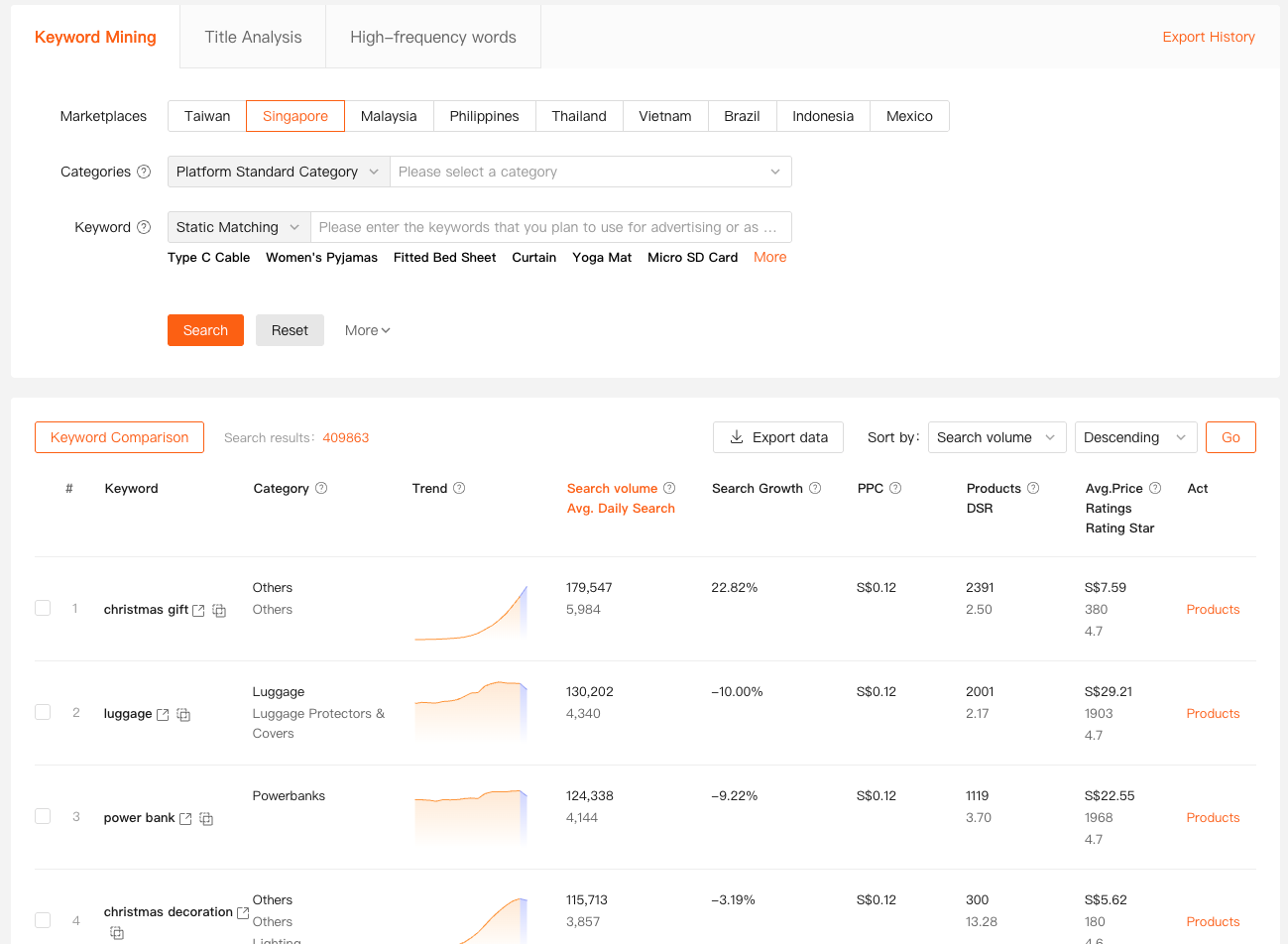
If you’re serious about selling, a tool like Shopdora is your cheat code. It swaps guessing for data.
Here’s the kicker: Shopdora doesn’t just list Shopee keywords. It shows you which ones drive real traffic and sales, and splits organic searches from ads so you see what’s genuine. Its bulk analysis saves hours of manual work—click once, get performance stats.
The real win for Shopee keyword optimization? It helps craft titles and descriptions using high-intent keyword insights. You spot what’s hot in your niche, helping you market smarter and even decide what to sell next. It’s data-driven, not guess-driven.
Your Step-by-Step Keyword Optimization Plan
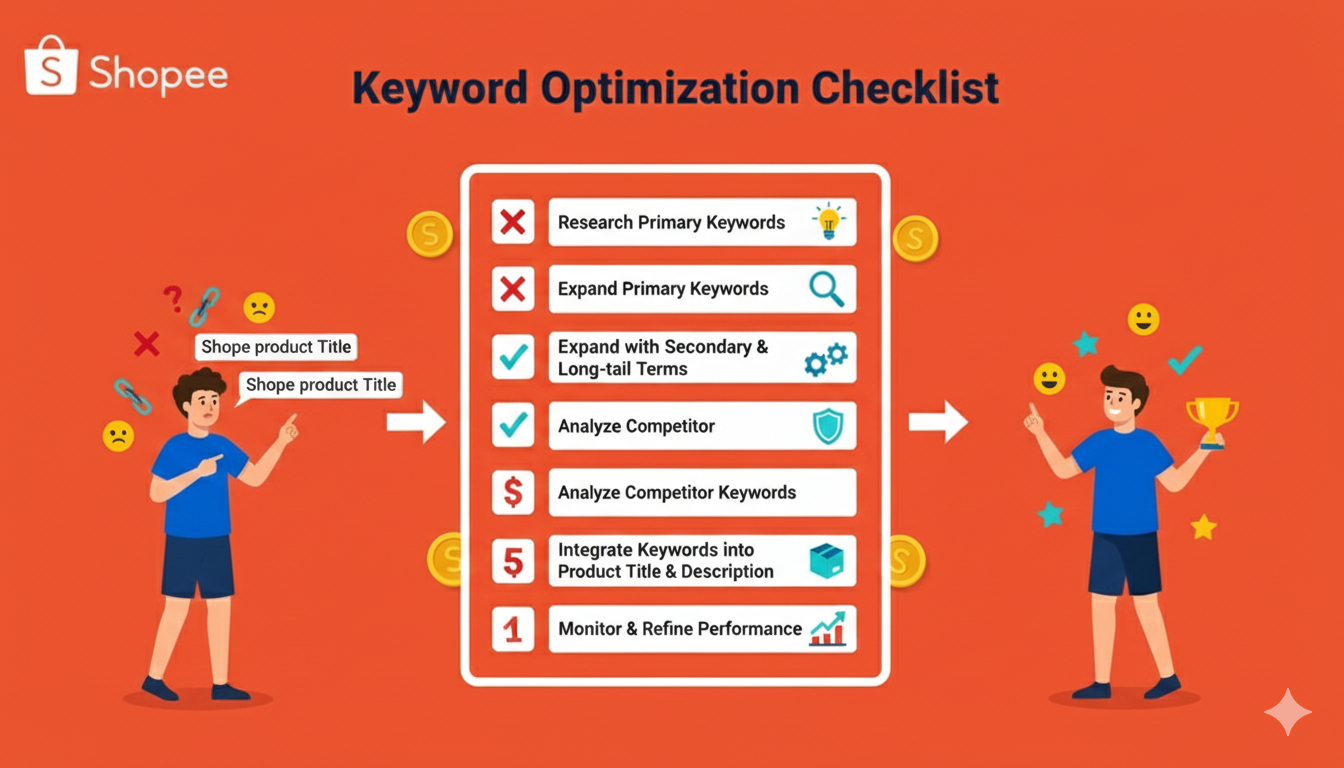
Step 1: Research Like a Pro
Gather intel from all corners:
- Shopee’s search bar: Type your product and see auto-suggestions.
- Competitor listings: Check what top sellers in your category use.
- Customer reviews: Note the exact words buyers use.
- Related products: See keywords on items bought/viewed together.
Step 2: Prioritize with Purpose
Not all Shopee keywords deserve your title’s prime spot. Rank them by:
- Search Volume: Are people actually searching this?
- Competition: Are thousands of others using it?
- Relevance: Does it perfectly fit your item?
- Intent: Are searchers browsing or buying?
Step 3: Place Them Strategically (This is Crucial)
Product Title (Your #1 Spot)
- Lead with your primary Shopee keyword.
- Add 1-2 secondary keywords naturally.
- Keep it human-readable—no stuffing. Aim for clarity under 60 chars.
Product Description
- Weave in your keyword list smoothly.
- Use bullet points for easy reading.
- Answer FAQs with keyword-rich phrases.
Product Attributes & Tags
- Fill every field accurately.
- Use specific terms matching your Shopee keywords.
- Pick the most exact category.
Step 4: Monitor, Tweak, Repeat
This isn’t one-and-done. Regularly:
- Check your ranking for target Shopee keywords.
- See which keywords bring traffic.
- Swap in seasonal terms when relevant.
- Test new combos and drop underperformers.
Conclusion: Your Keyword Action Plan
Mastering Shopee keywords is part detective work, part strategy, and 100% essential. Stop seeing it as a tech task—it’s how you connect your product to its perfect buyer.
Your action plan:
- Research what customers truly search.
- Strategize where to place Shopee keywords (title first!).
- Use tools like Shopdora for data-driven insights.
- Monitor performance and stay flexible.
- Never stop optimizing. It’s an ongoing chat with the market.
Next step? Don’t just read. Pick one product—your slowest seller or newest launch—and apply this. Refresh the Shopee keywords, rewrite the title, and watch what happens. In e-commerce, visibility is everything, and the right keywords are your spotlight. Go get seen.