
Shopee Seller Guide: The Sneaky Good Stuff Top Sellers Are Quietly Doing

Alright, let’s get real. You’ve likely consumed every “ultimate guide” to Shopee optimization under the sun. Keywords in the title? Check. Nice photos? Done. Fill out every product field? Got it. But here’s the million-dollar question: if everyone is running the same basic plays, how does anyone actually win the game?
The true magic—the strategic edge that transforms your store from “making occasional sales” to “consistently dominating your niche”—isn’t found in those fundamental guides. It’s hidden in the nuanced, often counterintuitive, and rigorously data-backed tactics that top-tier sellers execute daily, while others are still preoccupied with basic keyword stuffing. Think of this as your exclusive backstage pass to their playbook.
It’s Not About the Algorithm, It’s About the Human
Before we geek out on data or tactics, let’s talk about the reality of the Shopee scroll. Picture it: It’s late, you’re relaxed, and your thumb is moving on autopilot. You give a product listing roughly 1.5 seconds of attention before you decide to swipe away. Your potential customers are in that exact same state of mind.
Elite sellers understand this deeply. Their primary Shopee optimization effort isn’t aimed at a machine; it’s crafted for that distracted, scroll-happy human. They strategize around creating thumb-stopping visuals and micro-second value propositions. They also grasp a critical truth: Shopee is more than a marketplace; it’s a social hobby. Users share discoveries in group chats, seek friends’ opinions, and get a small dopamine hit from earning Shopee coins. Mastering Shopee optimization for this social, gamified experience? That’s the real secret sauce.
Your New Best Friend: Data That Doesn’t Lie
This is a common stumbling block. Many sellers see a competitor’s successful listing and think, “If it works for them, I’ll just copy it.” But you’re only seeing their public storefront, not their private analytics. That product with 500 reviews might have been launched two years ago and is now riding on past momentum. You could inadvertently be replicating a strategy that’s already fading.
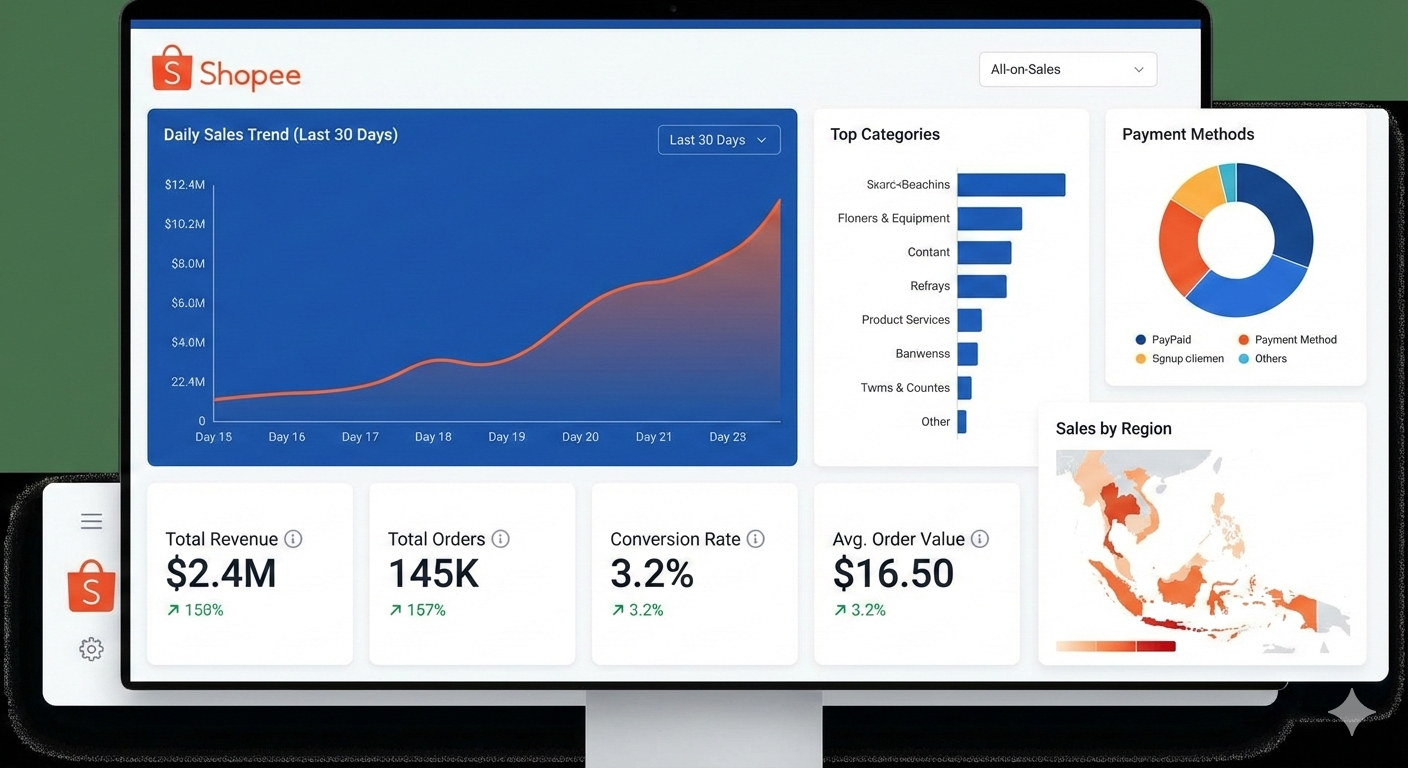
The entire game transforms when you swap guesswork for genuine intelligence. This is where leveraging a robust tool for Shopee optimization, like the Shopdora Chrome extension, becomes your strategic crystal ball. It functions not just as an assistant, but as an entire market research team embedded in your browser.

Why this fundamentally changes your approach:
- You Access the Real Metrics: Move beyond speculation. You can see estimated sales volume and track whether a product is gaining 5 reviews a day or 50. This tells you who is genuinely trending right now, not just who was popular.
- You Discover Hidden Keywords: It helps uncover the specific, often long-tail search terms shoppers use in the final moments before purchasing—the difference between generating simple browsing traffic and driving actual, converting revenue.
- You Master Market Timing: Identify with clarity if a product is in its high-growth phase (time to enter!) or its decline phase (time to avoid). It provides a level of insight that feels like insider knowledge for your specific category.

The “Less is More” Rebellion in Shopee Optimization
Prepare for a little heresy: sometimes, the most effective Shopee optimization involves de-optimizing. We’ve all endured those product titles that resemble a keyword avalanche: “Women’s Dress Summer Floral Sleeveless Party Wedding Guest Beach Casual Size S M L”. It’s visually exhausting and feels robotic.
The savviest sellers are now experimenting with cleaner, benefit-focused titles. Consider “The Breezy Linen Dress – Stay Cool, Look Effortless.” This speaks directly to a customer’s desire and lifestyle, not just to a search algorithm. Apply this same “less is more” philosophy to your images: instead of nine repetitive shots on a plain mannequin, use five powerful, story-driven images. Show the product on a real person, highlight the fabric texture, demonstrate how it pairs with other items, and include a screenshot of a compelling five-star review.
You Can’t Set It and Forget It (The Myth of One-Time Optimization)
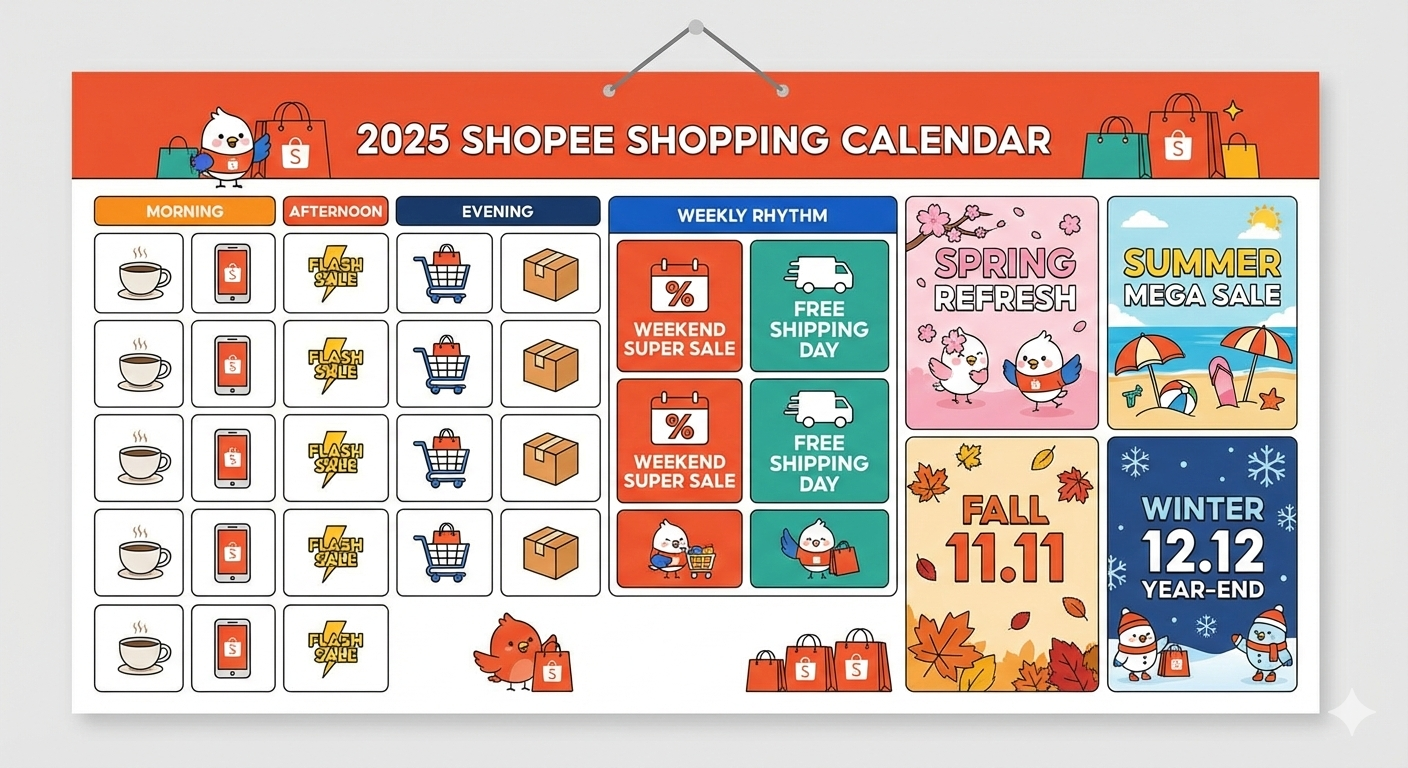
The notion that you can perfect your Shopee optimization once and walk away is, frankly, a fantasy. Top performers know that Shopee has distinct rhythms—daily, weekly, and seasonal pulses that require adaptive strategies.
- Daily Pulse: The morning commute window (7-9 AM) might see spikes for practical, quick-fix items like phone chargers. The evening scroll (8-11 PM) often leans toward aspirational or self-care purchases. Does your product solve an immediate problem or fuel a dream?
- Weekly Cycle: Mondays often trend toward problem-solving (organization tools, work essentials). Fridays shift toward fun and social purchases (entertainment, fashion for the weekend). Smart Shopee optimization means tailoring your featured products or even ad budgets to this weekly mood cycle.
- Micro-Seasons: Look beyond 9.9 and 12.12. Consider pre-exam season (study lamps, stress relievers), the first week of monsoon rains (stylish umbrellas, indoor hobbies), or payday weekend (perfect for launching slightly premium “upgrade” items).
Optimizing the Entire Customer Journey, Not Just the Click
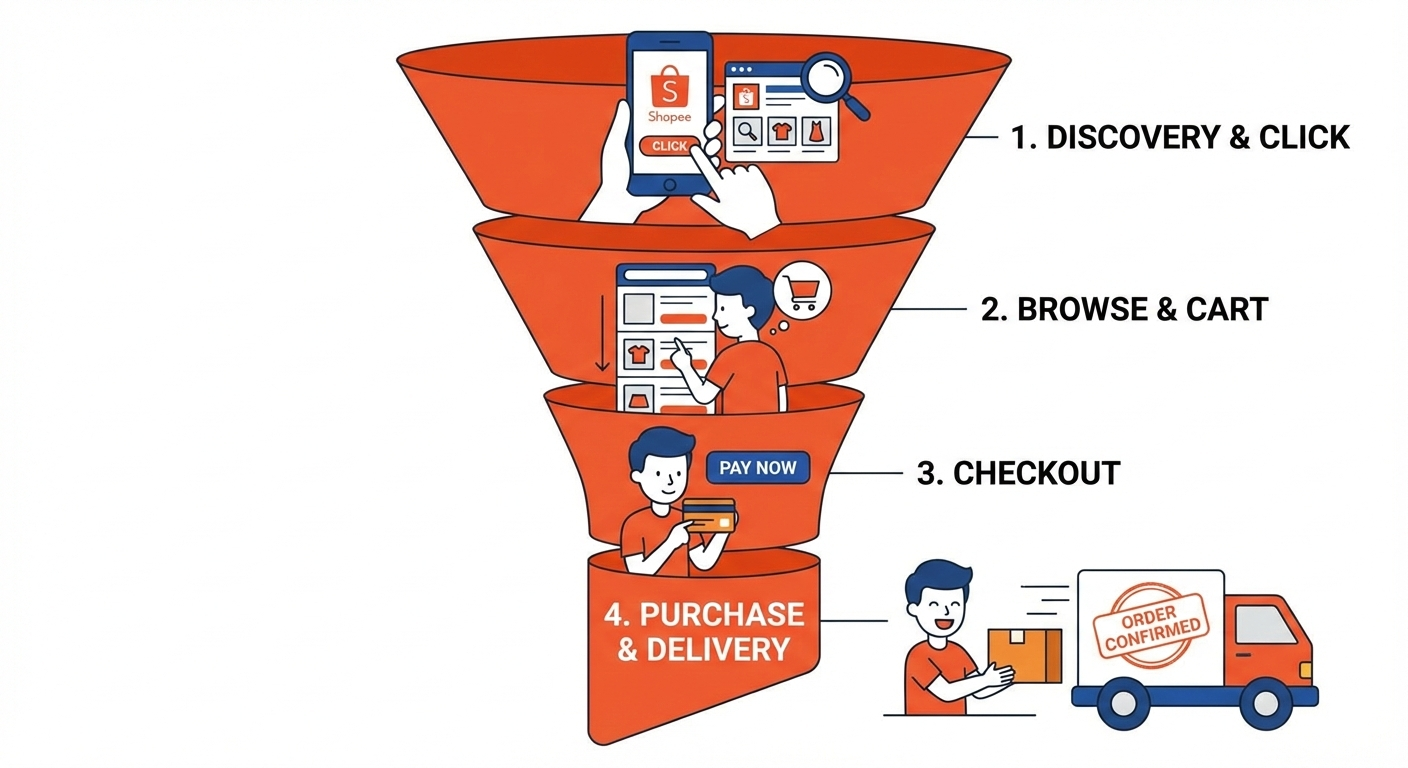
Most sellers fixate on generating the initial click. The true masters of Shopee optimization obsess over the entire experience that follows.
They strategically refine every stage of the funnel:
- Pre-Click: The thumbnail color that pops in the feed, the psychologically positioned price point, the social proof of review counts displayed clearly.
- Post-Click: A product page that loads instantly, with critical information—shipping details, size guides, the core benefit—visible above the fold without requiring a scroll. This is non-negotiable, mobile-first Shopee optimization.
- Post-Purchase: The unboxing experience designed for social sharing, the thoughtful post-purchase message that encourages reviews, and the intelligent suggestion for a complementary product to increase average order value.
The Subtle Art of Psychological Pricing
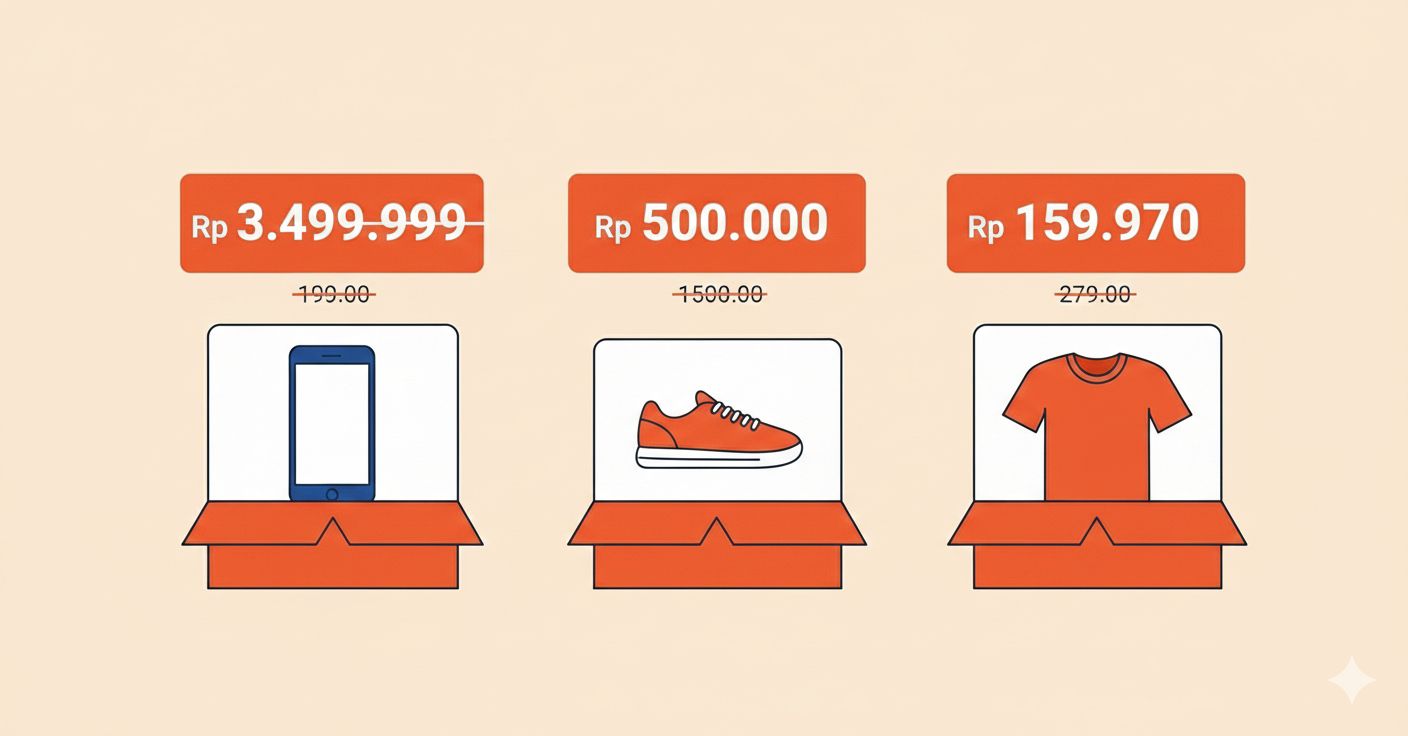
Forget simply having the lowest price. Experts in Shopee optimization use ethical psychological pricing strategies.
- The Decoy Effect: Structure your listings with a basic, standard, and premium variant. Price the standard option to make the premium version appear as exceptional value, often making it the most selected choice.
- The Psychology of Price Endings: A price ending in .99 signals a “good deal.” A price ending in .00 conveys “premium quality.” A price ending in .97 subtly suggests “final clearance, act fast.”
- Dynamic Pricing: They may make minor, data-informed price adjustments based on time of day, competitor stock levels, or their own inventory turnover, treating the price tag as a dynamic component of their Shopee optimization strategy.
The Right Way to A/B Test (A Core Pillar of Shopee Optimization)
Yes, you absolutely must test. But don’t limit your experiments to just the main product image. True Shopee optimization involves testing the subtle elements most overlook:
- The wording on your call-to-action button (“Buy Now” often outperforms “Add to Cart” by creating urgency).
- The exact placement of review stars or badges on your primary image.
- Which specific customer testimonial you feature at the very top of your description.
A smart testing protocol: implement major changes on slower traffic days and subtle tweaks on high-volume days. And crucially, document every result to build your own knowledge base.
The Bottom Line
The future of winning on Shopee isn’t about discovering a single secret hack to outsmart an algorithm. It’s about evolving into a more insightful, empathetic, and strategic seller. It’s the seamless integration of human psychology with actionable data intelligence. Ultimately, effective Shopee optimization means understanding that you’re not merely optimizing a product listing—you’re meticulously crafting an end-to-end customer experience.
So, move beyond the basic checklist. Cultivate curiosity. Challenge the standard advice. Employ tools that deliver genuine market insight. And never forget: at the heart of all successful Shopee optimization is the person on the other side of the screen, just looking to find something perfect before they move on with their day.