
Shopee Optimization: Ranking Higher, Getting Seen, and Actually Selling Stuff
Let’s cut to the chase: selling on Shopee can feel like you’re yelling in a packed, noisy digital marketplace. You’ve uploaded your products, your photos look pretty good… and then? Nothing. Radio silence. Meanwhile, another shop selling what appears to be the identical item is cleaning up, making sales like they’ve got access to some hidden playbook.
Here’s the thing—they probably do. That playbook isn’t sorcery; it’s called Shopee optimization. And listen up, it’s not just about jamming a few search terms into your title and calling it a day. It’s a comprehensive game plan designed to make Shopee’s algorithm favor your store, steer shoppers directly to your page, and then persuade them to hit “Buy Now.” Consider it your strategy to become the most appealing, reliable, and noticeable seller in the entire bazaar.

So, How Does Shopee Decide Who Gets Seen?
Before we roll up our sleeves, we need to get inside the platform’s head. Shopee’s algorithm is that enigmatic digital gatekeeper, choosing which shops get the prime real estate—page one of search results. The exact formula is a secret sauce, but we know for sure it prioritizes a handful of key factors:
- Relevance: Does your product actually match what a customer is searching for?
- Performance: Does your listing make people click, and crucially, convert into a purchase?
- Customer Satisfaction: Do buyers leave glowing reviews, or are they filing returns and complaints?
- Engagement: Do potential customers linger on your page, or do they bounce away immediately?
The algorithm’s mission is straightforward: connect shoppers with what they desire, quickly. Your mission is to feed it all the correct signals through smart Shopee optimization.

Eliminate the Guesswork with Keyword Research
You wouldn’t use a map of one city to navigate another. So why assume you know what terms your buyers are typing? Proper keyword research is your essential navigation tool for Shopee optimization.
- Leverage Shopee’s Own Data: Begin typing your product name into the search bar. Those autocomplete suggestions? That’s Shopee handing you free, valuable intel on what real users are searching for this very moment.
- Investigate Your Top Competitors: Open the listings of the best-selling shops in your niche. Look beyond their sales numbers—analyze their titles and descriptions. What specific words and phrases do they consistently use? That’s a major clue.
- Target Long-Tail Keywords: Yes, a broad term like “backpack” gets massive search volume. But so does the competition. A phrase like “waterproof laptop backpack for college students” is hyper-specific. A shopper using that query knows exactly what they want and is likely in buying mode. These “long-tail keywords” are your secret weapon for standing out in a saturated market.
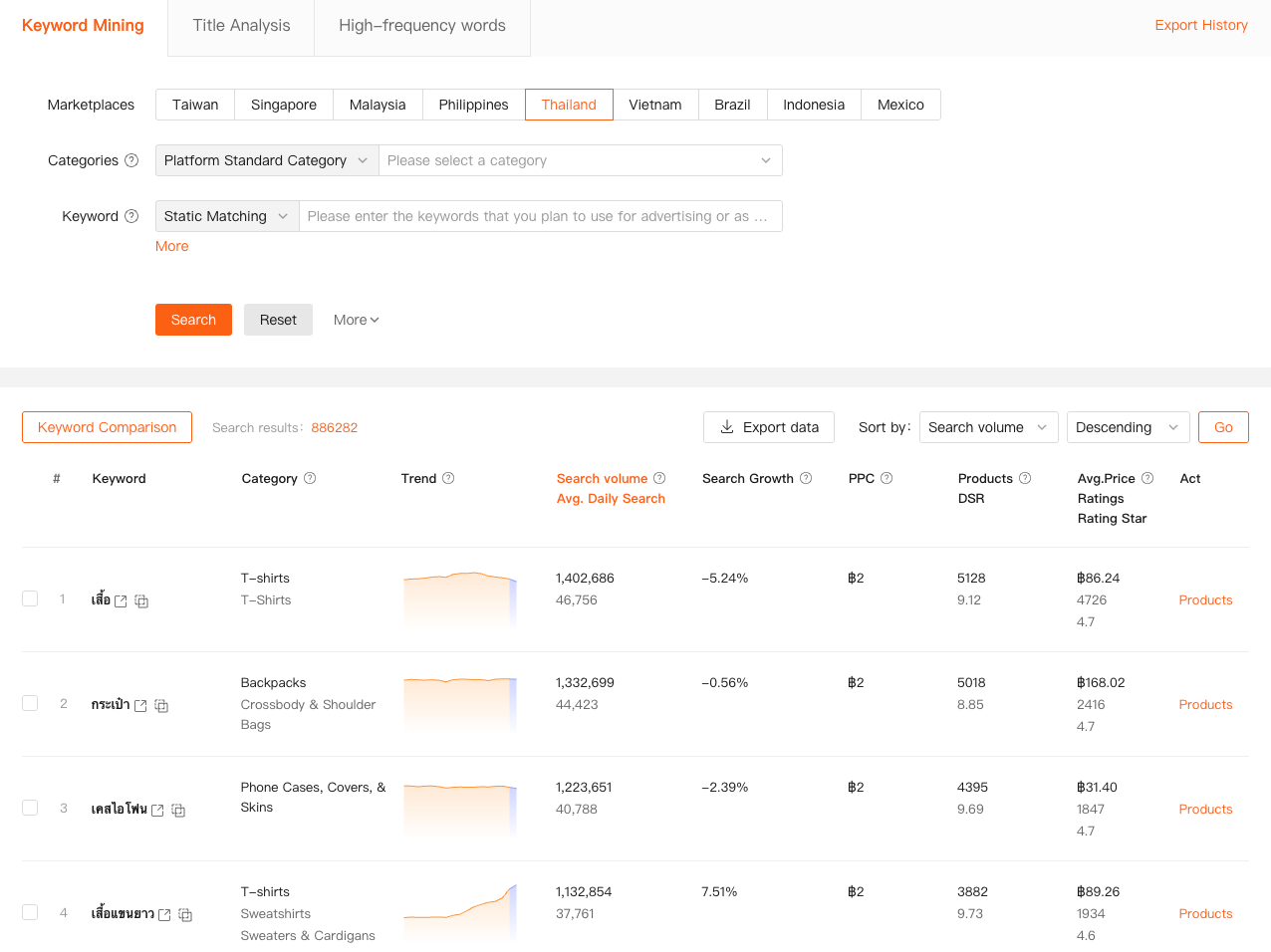
Here’s a pro-tip: Manually doing this research is, frankly, tedious and time-consuming. This is where leveraging a specialized tool becomes a game-changer for your Shopee optimization strategy. Imagine a savvy assistant that could instantly reveal a product’s sales trajectory, which keywords are trending upward, and how your competitors adjust their pricing. That’s the power of a tool like Shopdora. It transforms days of speculation into minutes of actionable, data-backed insights. For dedicated sellers aiming to win, it’s like having a direct line to the algorithm’s priorities.
Building Listings That Actively Sell, Not Just Exist
Alright, you’ve gathered your keywords. Now, let’s construct a product page that turns browsers into buyers.
The Product Title: Your Critical First Impression
Optimize it.
- Ineffective: “Nice Dress”
- Optimized: “Floral Wrap Midi Dress - V-Neck, Summer Cotton, Free Shipping (S-XXL)”
Notice the difference? It’s descriptive, loaded with key features and benefits, and sounds natural—not like it was written by a keyword-stuffing bot.
The Images: Your Primary Sales Driver
On mobile commerce, your photo isn’t just an image; it’s the primary sales driver. Full stop.
- Use sharp, well-lit, high-resolution pictures. Grainy or dark photos instantly erode trust.
- Show the product from all angles. Include shots of the back, the interior, the details, and any unique features.
- Always add a “lifestyle” image. Show that dress being worn in a real-life setting, not just on a plain backdrop. Help the customer visualize it in their wardrobe.
The Description: Answer Every Question
Answer every possible question a skeptical shopper might have before they even ask.
- Is it machine-washable? What’s the precise fabric blend? How does the sizing run?
- Address these points with clear, scannable bullet points. Avoid intimidating paragraphs of text. Emphasize your Unique Selling Proposition (e.g., “Features double-stitched seams for superior durability compared to standard alternatives.”).
- Incorporate social proof directly: “Rated 4.9 stars by 350+ satisfied customers!”

Mastering the Psychology of Pricing
Effective pricing is a blend of strategy and perception. $19.99 psychologically undercuts $20.00. Do your market research:
- What’s the going rate for comparable items? Don’t be the most expensive option unless you can justify it with clear value.
- Can you create a product bundle? Offering “Shampoo + Conditioner + Hair Mask” at a special price feels like a great deal and boosts your average order value—a key metric in Shopee optimization.
- Stay flexible. Consider adjusting prices based on inventory levels or launching limited-time promotions to refresh interest.

The Non-Negotiable Rule: Test, Analyze, Adapt
The only certainty on Shopee is evolution. A tactic that worked brilliantly last quarter might be less effective now. Cultivate a mindset of continuous experimentation.
- A/B test two different primary images. Which generates a higher click-through rate?
- Experiment with a revised title formula.
- Launch a minor promotional offer and meticulously track its performance.
Dive into Shopee’s built-in analytics dashboard. Become a data-driven scientist running experiments in your own store.

The Final Word
Shopee optimization is not a one-and-done task you tick off a list. It’s the continuous process of becoming a more adept, intelligent, and prominent merchant. It merges the art of compelling presentation (through visuals and descriptions) with the science of hard data (through keyword research and analytics).
Lay the groundwork: conduct thorough research, create exceptional listings, price strategically, and value your customers immensely. Employ tools like Shopdora to enhance your efficiency and insight. Never stop testing and refining. Soon enough, you won’t be a voice lost in the crowd—you’ll be the shop everyone is trying to get into.