
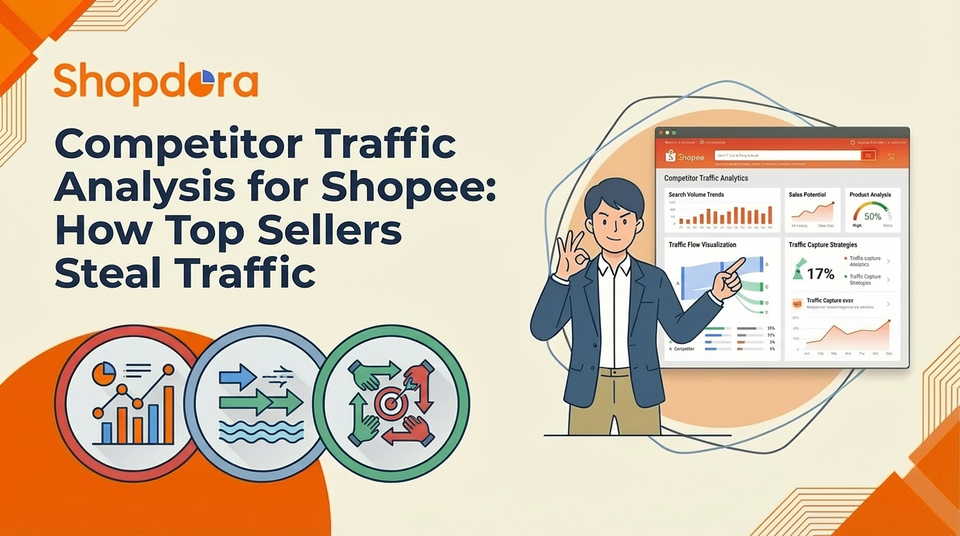
Competitor Traffic Analysis for Shopee: How Top Sellers Steal Traffic (and How You Can Too)
Hi, I’m David.
I’ve been running my own Shopee store for a little over three years now. Like most sellers, I didn’t start with a big budget or a team behind me. What I did have was a constant obsession with one question: why does my competitor get traffic while I don’t?
If you’ve sold on Shopee long enough, you’ve probably felt the same frustration. You optimize your title, tweak your price, maybe even run ads—yet traffic stays flat. Meanwhile, a competitor selling something almost identical keeps climbing. The worst part is that Shopee’s seller center gives you zero visibility into where their traffic is actually coming from.
That gap is exactly why competitor traffic analysis became a turning point in how I operate my store today.
The real problem: Shopee hides competitor traffic data
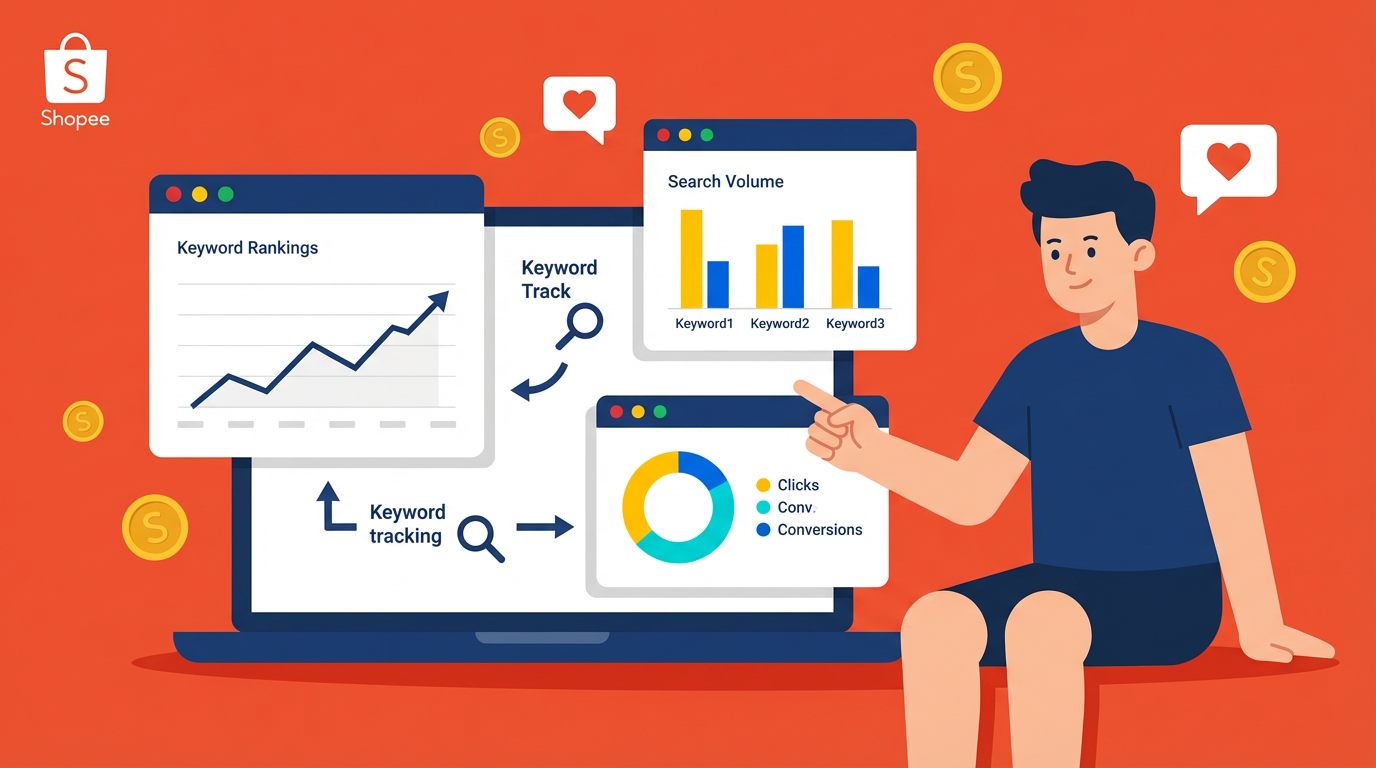
Shopee’s native tools are built to protect the platform, not to help you reverse-engineer competitors. You can see your own impressions, clicks, and conversions—but when it comes to other sellers, everything stops at the product page surface.
You can guess why a product is doing well, but you can’t confirm it. Is the traffic coming from search or ads? Which keywords actually bring buyers? Are there high-demand keywords they’re not even using yet? Without answers, optimization becomes guesswork.
This is where a proper Shopee analysis tool matters—not one that throws vague “scores” at you, but one that shows how traffic really flows in the market.
Why competitor traffic analysis changed how I optimize listings
The first time I did a proper competitor traffic breakdown, I realized how many wrong assumptions I’d been making.
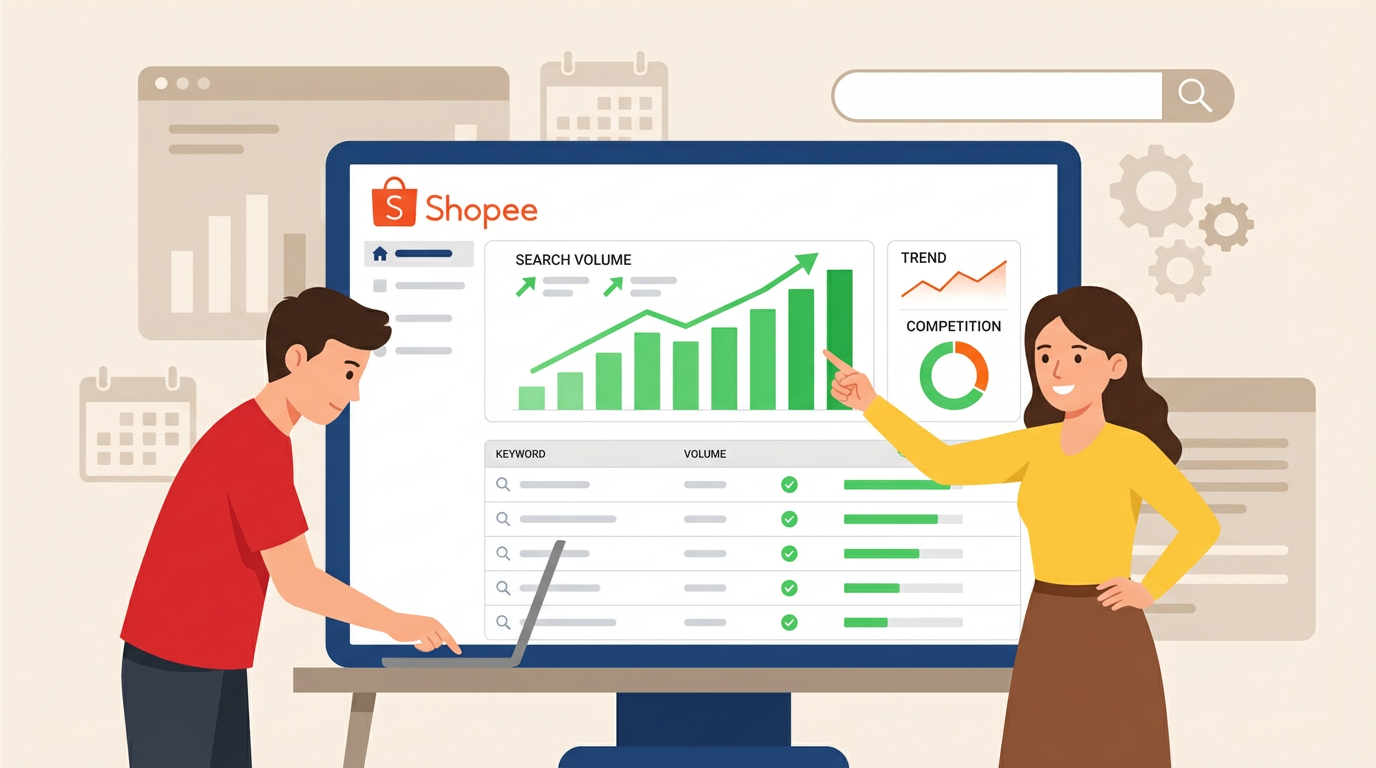
I used to think bestsellers always relied on ads. In reality, many top listings were driven primarily by organic search traffic, supported by extremely precise titles and keyword coverage. Others had huge traffic gaps—keywords with strong demand that no one was ranking for properly.
Understanding this difference completely reshaped how I approach listing optimization. Instead of asking “How do I improve my product?”, I started asking, “Where is traffic already proven to exist—and how do I align with it?”
That mindset shift is what competitor traffic analysis is really about.
Using Traffic Analysis to see where competitors actually get clicks
In my daily workflow, Shopdora's Traffic Analysis module is usually the first place I go when evaluating a competitor.
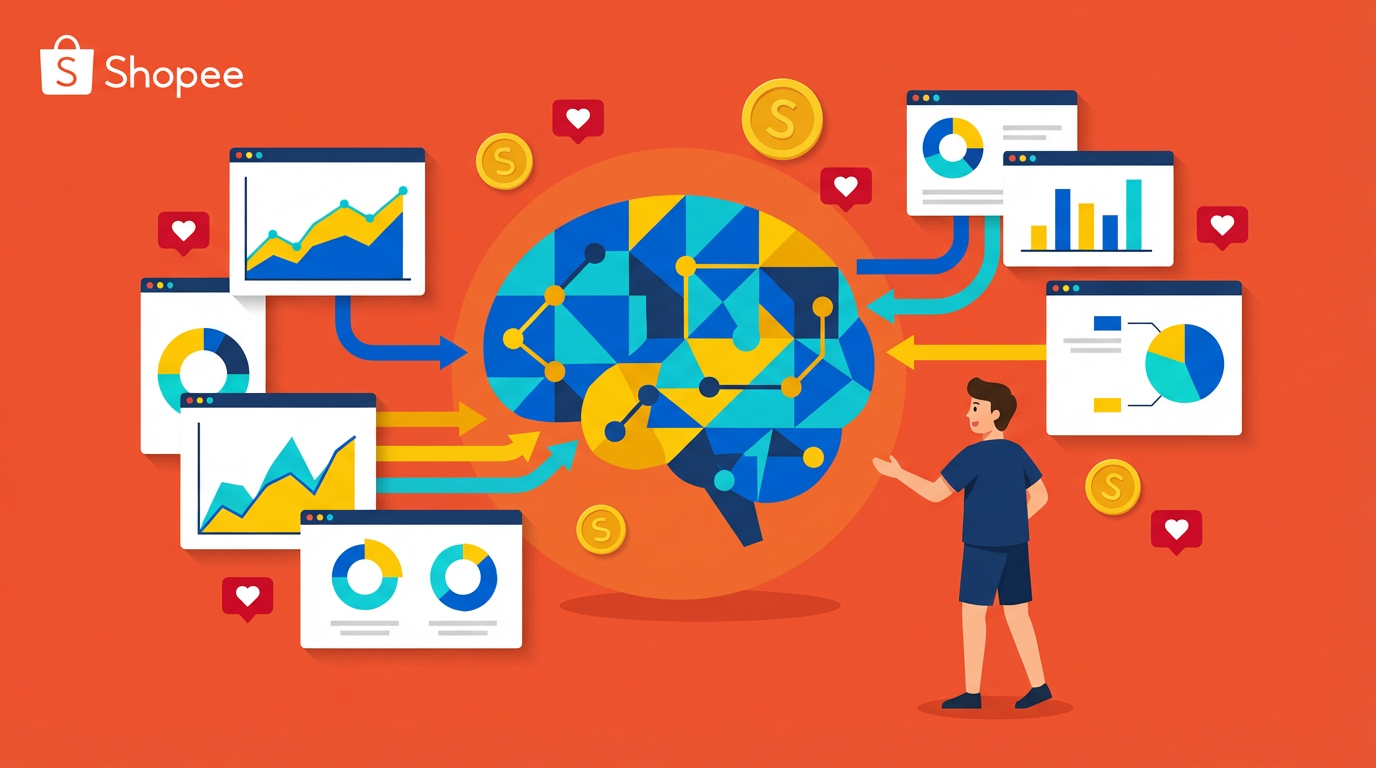
Instead of looking at sales alone, I look at traffic composition—how much comes from organic search versus ads, and which keywords are responsible for that exposure. This matters because sales without traffic context are misleading. A product with stable sales but shrinking traffic may be losing momentum, while another with rising traffic but moderate sales could be an upcoming opportunity.
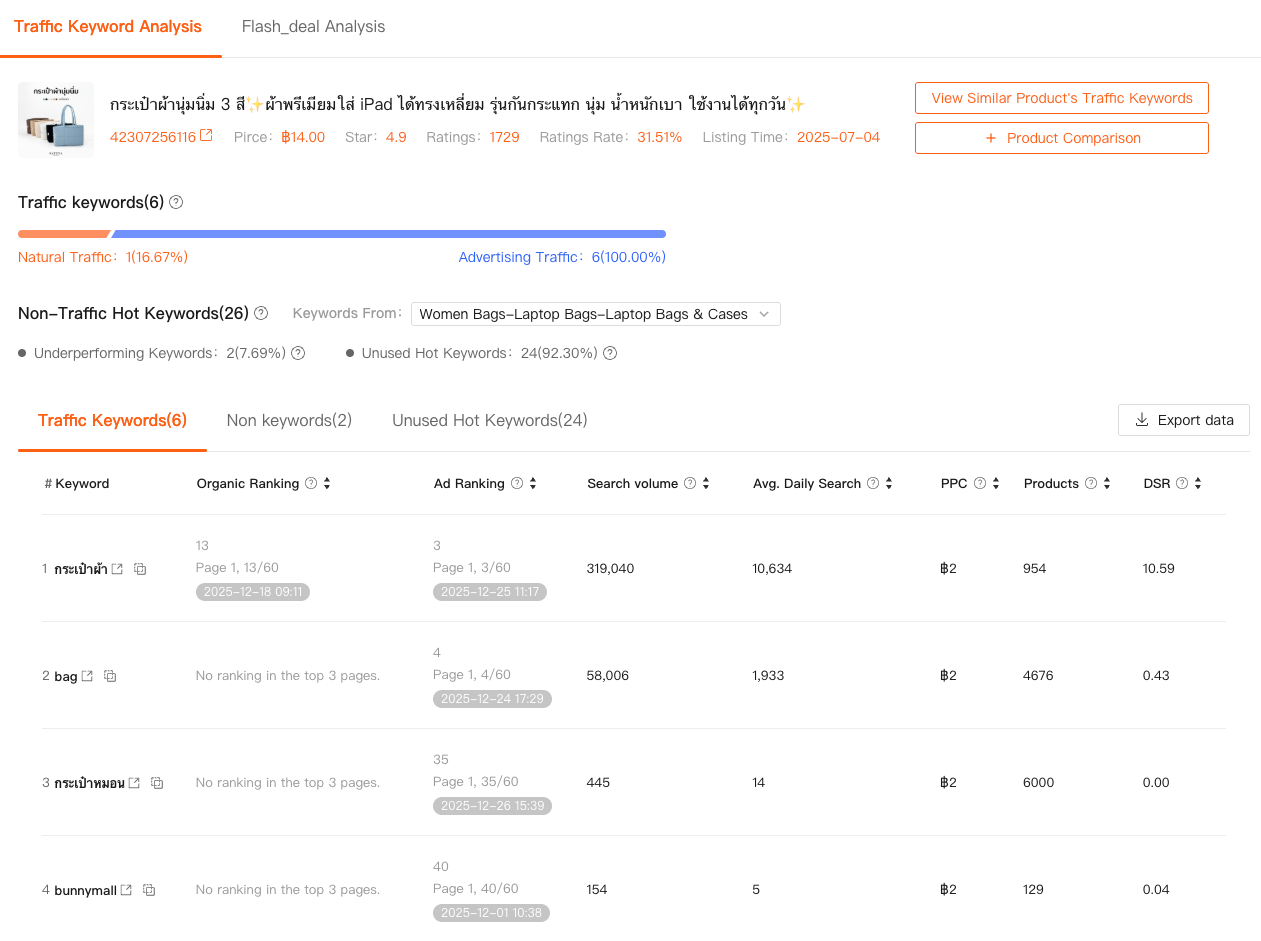
Traffic Analysis allows me to see traffic keywords tied to a specific product, including those that bring impressions but not clicks, as well as keywords driving consistent engagement. Just as importantly, it surfaces unused hot keywords—search terms with proven demand that competitors haven’t fully captured yet.
That’s often where growth hides.
The insight most sellers miss: traffic ≠ keywords in the title
Here’s a hard truth I learned the slow way: ranking traffic keywords is not the same as putting them in your title.
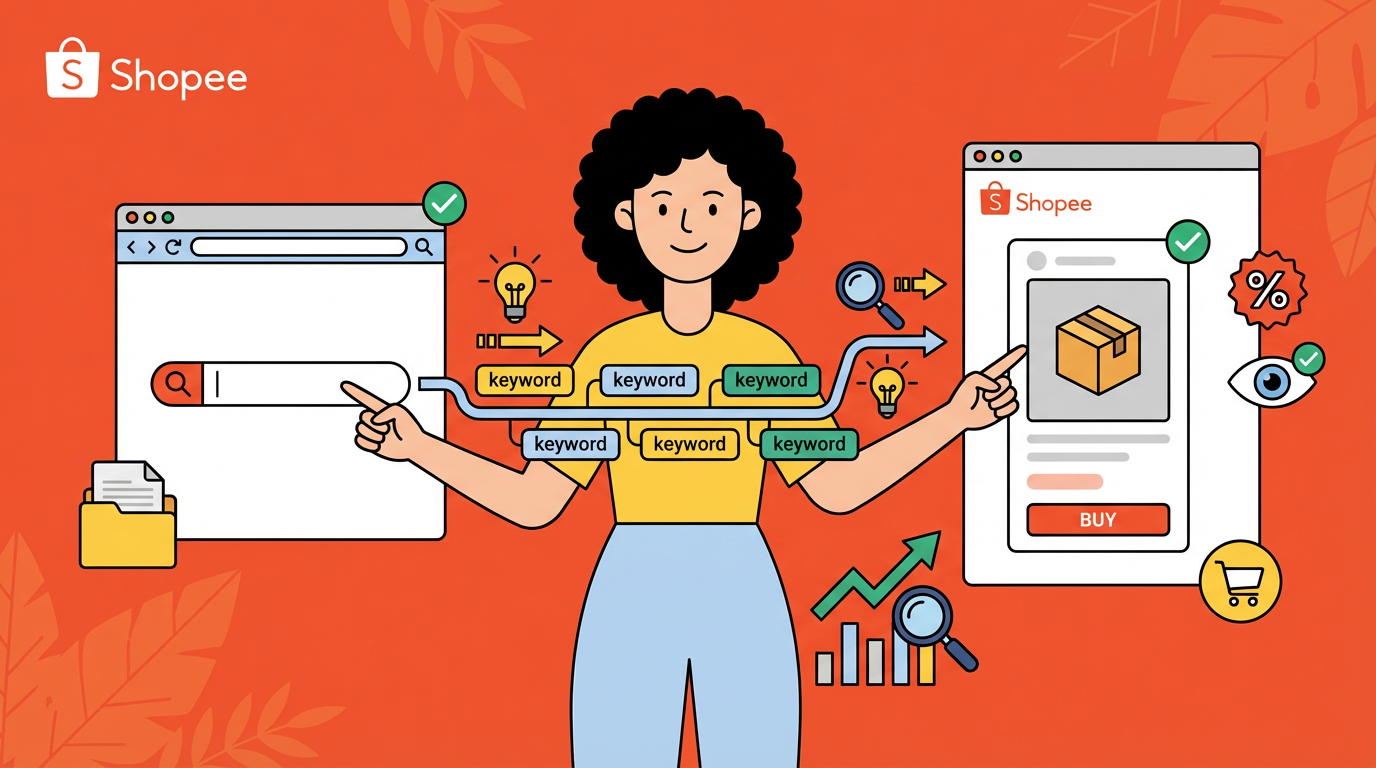
Many Shopee sellers stuff titles with popular keywords and expect results. But competitor traffic analysis shows that traffic often comes from keyword structures, not single words. Some keywords perform better in certain positions, while others generate impressions but no buying intent.
By analyzing competitor traffic patterns, I can see which keywords consistently bring buyers and which are just noise. This helps me decide what deserves title space, what belongs in attributes, and what shouldn’t be used at all.
That’s where Title Analysis becomes critical.
Title Analysis: why some listings rank without sounding optimized
One of the biggest misconceptions among Shopee sellers is that “SEO titles must look ugly.” In reality, top-performing listings often have clean, readable titles—yet they still rank extremely well.
Title Analysis allows me to break down how competitors structure their titles: keyword order, length, repetition, and coverage. Instead of guessing, I can compare multiple high-traffic listings and identify patterns that consistently perform.
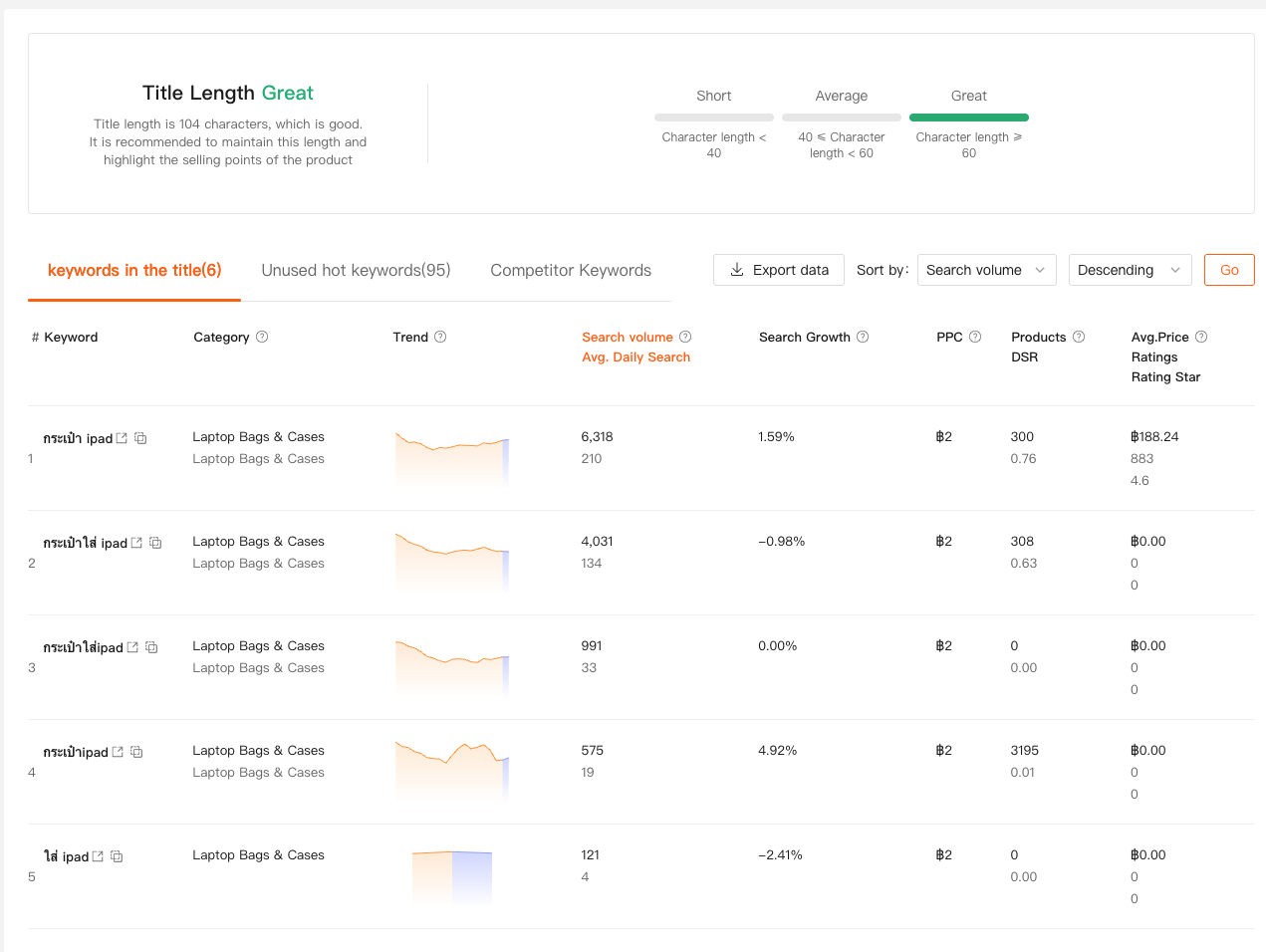
Sometimes the insight is subtle. A competitor may rank because they cover more transactional keywords rather than informational ones. Other times, they rank because their title avoids over-optimization, which keeps click-through rates high.
When traffic analysis tells me where traffic comes from, title analysis tells me why Shopee decides to show that product.
How I combine traffic and title data to fix underperforming products
The real power isn’t in using traffic analysis or title analysis alone—it’s in combining them.
If a product has traffic but low conversion, I inspect the title to see whether it attracts the wrong intent. If traffic is weak, I compare competitor traffic keywords against my own title coverage. This gap analysis is often enough to revive a stagnant listing without changing price or ads.
One of my own products went from flat growth to steady daily sales simply because I aligned its title with competitor traffic keywords that Shopee already rewarded—but that I was ignoring.
No rebranding. No ad spend increase. Just better alignment with how traffic already flows.
Why this approach scales better than chasing trends
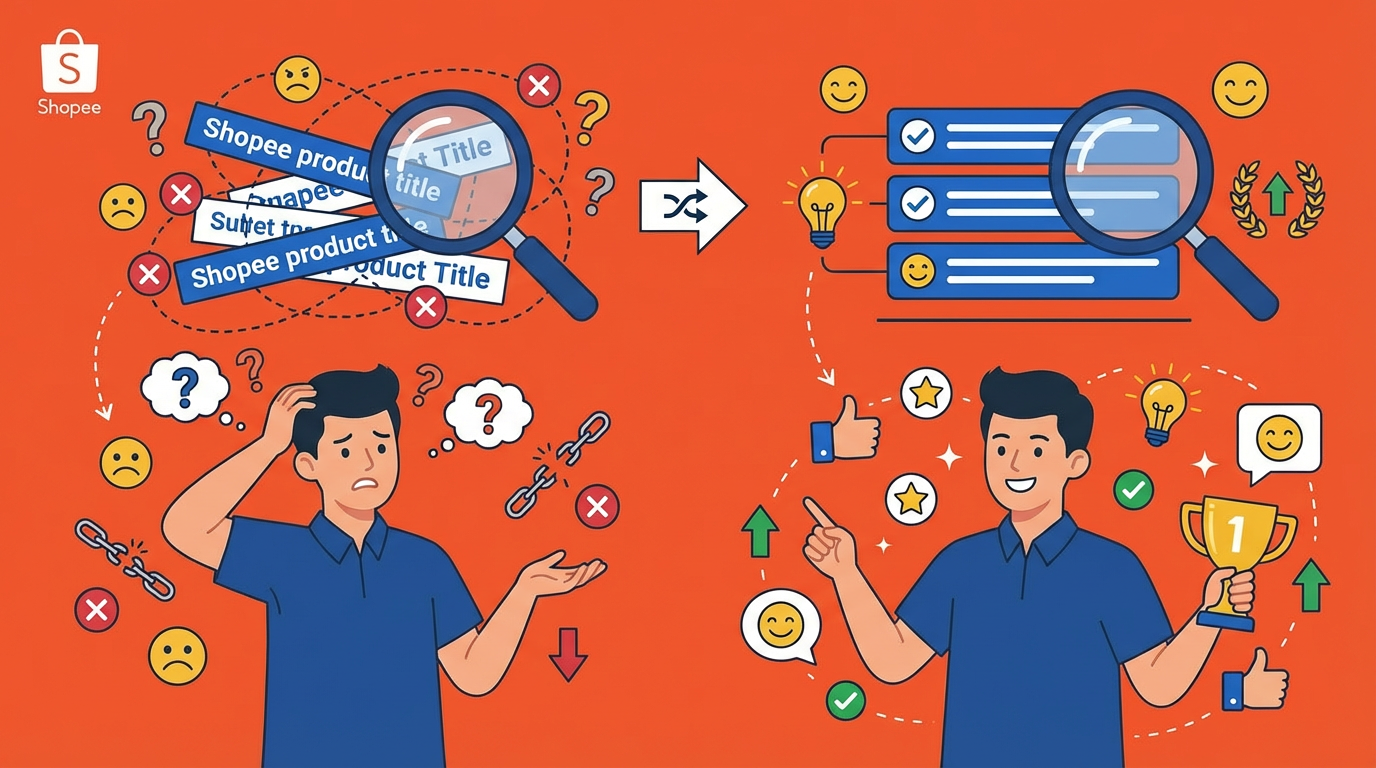
Trend-chasing is exhausting. By the time you hear about a “hot product,” competition is already intense. Competitor traffic analysis works differently—it shows you what’s already working right now, inside your exact niche.
Because traffic data reflects real buyer behavior, it’s more reliable than trend predictions. When I see consistent traffic across multiple competing products, that’s a signal worth acting on. When traffic spikes but titles remain messy, that’s an optimization opportunity waiting to be taken.
This is why I rely on Shopdora’s traffic and title insights not just for product launches, but for ongoing listing maintenance.

Final thoughts: traffic is the real battlefield on Shopee
Sales are the result. Products are the surface. Traffic is the battlefield.
If you don’t know where traffic comes from, you’re always reacting—cutting prices, copying designs, chasing ads. Competitor traffic analysis flips that dynamic. It lets you see the market from above, understand how Shopee distributes visibility, and position yourself where buyers already are.
For me, using traffic analysis and title analysis together has been one of the most consistent ways to grow without burning cash. It’s not flashy. It’s not a shortcut. But it works—and it keeps working as the platform evolves.
And that’s exactly what most Shopee sellers need right now.