
Complete Guide to Shopee Keyword Research in 2026

Introduction
Keyword research is the foundation of successful Shopee selling. Without understanding what your potential customers are searching for, you're essentially selling in the dark. In 2026, with Shopee's continued expansion across Southeast Asia and Latin America, mastering keyword research has become more critical than ever for sellers who want to stand out in increasingly competitive markets.
The right Shopee keyword tool can transform your product research process, helping you discover high-volume search terms, understand buyer intent, and optimize your listings for maximum visibility. By leveraging accurate Shopee data, you can make informed decisions about which products to sell, how to price them, and which keywords will drive the most qualified traffic to your listings.
This comprehensive guide will walk you through everything you need to know about Shopee keyword research in 2026—from understanding the fundamentals to using advanced tools and strategies that top sellers rely on to dominate their niches.
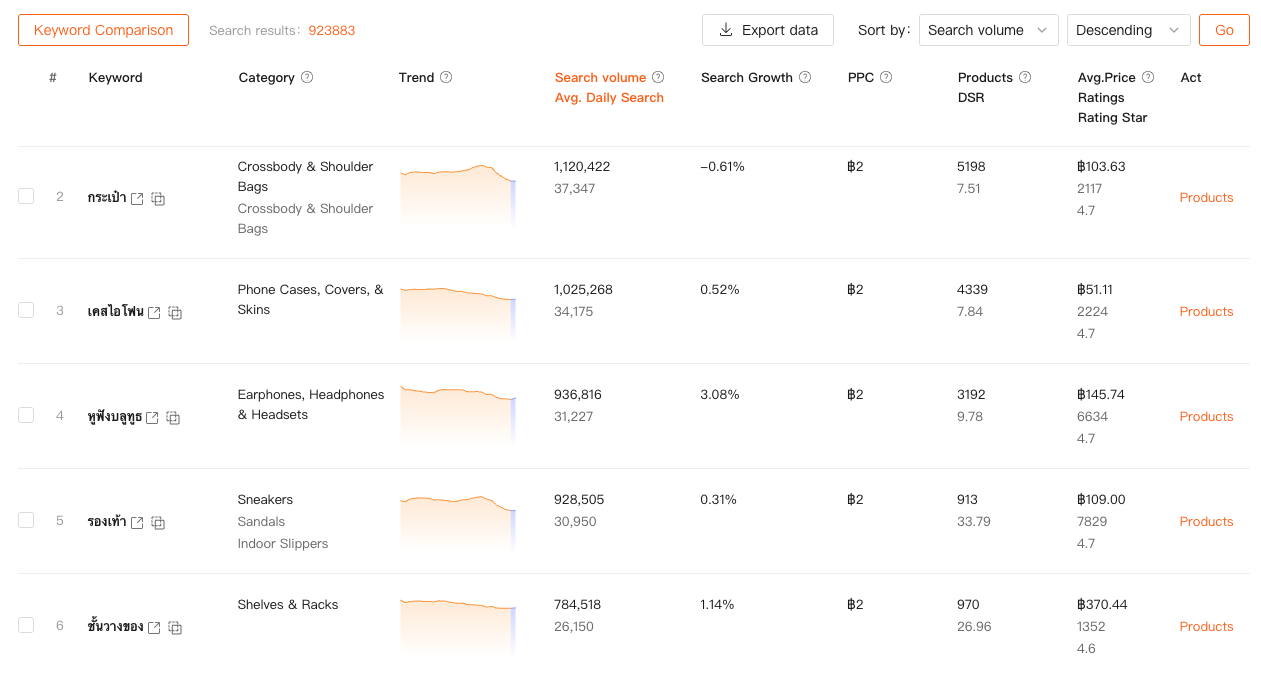
What you'll learn:
- Why keyword research is essential for Shopee success
- How to access and interpret Shopee keyword data
- The best Shopee keyword tools available in 2026
- Step-by-step keyword research process
- Advanced strategies to outperform competitors
- Common mistakes to avoid
Whether you're a new seller just starting out or an established business looking to scale, this guide provides actionable insights to improve your keyword strategy and drive more sales.
Why Shopee Keyword Research Matters
The Data-Driven Advantage
In the competitive world of e-commerce, intuition alone isn't enough. Successful Shopee sellers in 2026 rely on Shopee data to guide their decisions. Keyword research provides concrete evidence of:
- What customers are actually searching for: Not what you think they want, but what they're actively looking for
- Search volume trends: Which products and categories are growing vs. declining
- Competition levels: How difficult it will be to rank for specific terms
- Buyer intent: Whether searchers are ready to buy or just browsing
According to seller surveys, businesses that conduct systematic keyword research report 40-60% higher conversion rates compared to those who rely on guesswork. This is because optimized listings appear in relevant searches, attracting buyers who are already interested in what you're selling.

The ROI of Keyword Research
Investing time in keyword research delivers measurable returns:
Increased Visibility: Listings optimized with the right keywords rank higher in Shopee search results, leading to more impressions and clicks.
Higher Conversion Rates: When your listing matches what customers are searching for, they're more likely to purchase. Proper keyword targeting can improve conversion rates by 25-35%.
Better Product Selection: Keyword data reveals market demand before you invest in inventory. You can validate product ideas by checking search volumes and competition levels.
Competitive Intelligence: Understanding which keywords your competitors rank for helps you identify gaps and opportunities in the market.
Cost-Effective Marketing: Organic search traffic from well-optimized listings is free, unlike paid advertising. A single well-researched keyword can drive hundreds of sales without ongoing ad spend.
The Cost of Ignoring Keywords
Sellers who skip keyword research face several challenges:
- Listings that don't appear in relevant searches
- Low traffic despite having good products
- Poor conversion rates from mismatched search intent
- Wasted inventory on products nobody is searching for
- Higher advertising costs to compensate for poor organic visibility
In 2026's competitive Shopee marketplace, keyword research isn't optional—it's essential for survival and growth.
Understanding Shopee Keyword Data
What is Shopee Data?
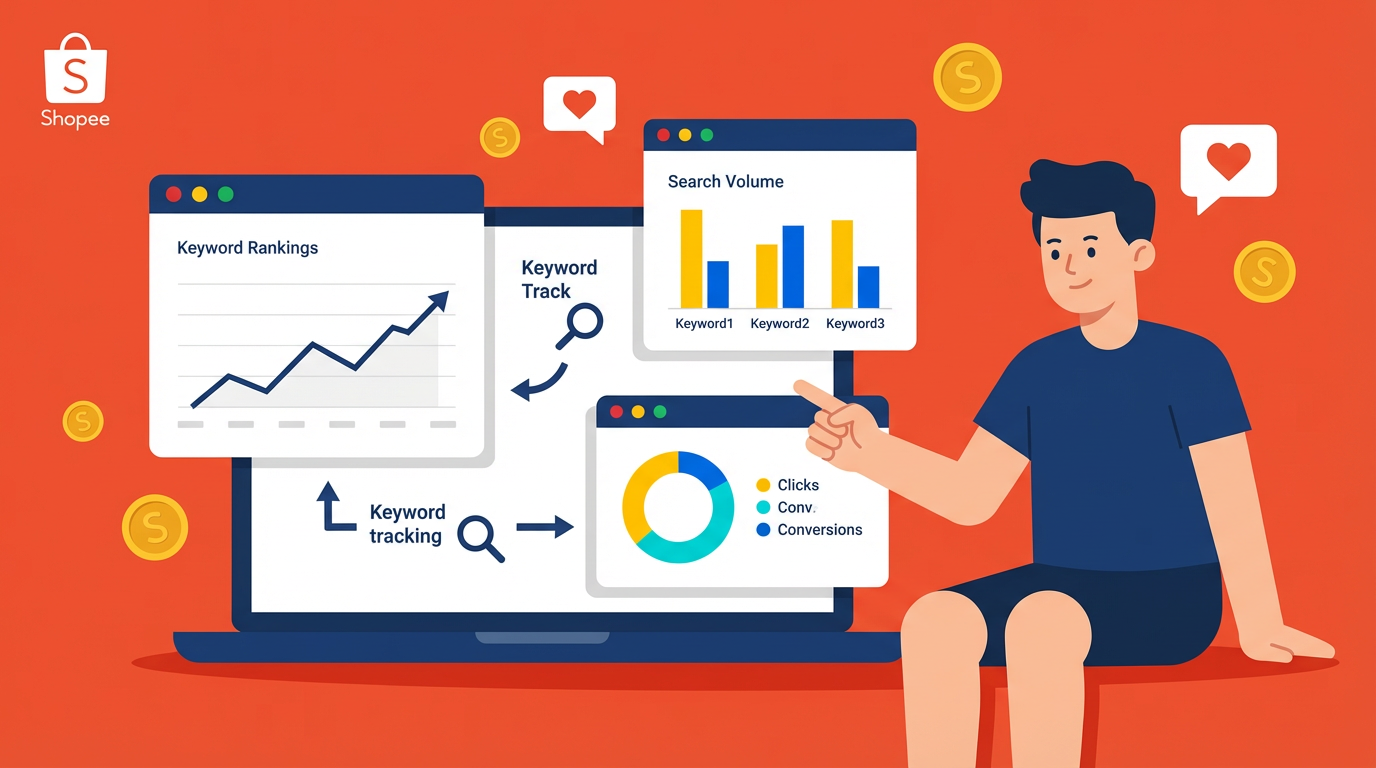
Shopee data refers to the various metrics and insights available about keywords, products, and market performance on the Shopee platform. This data helps sellers understand market dynamics and make informed decisions.
Key types of Shopee keyword data include:
1. Search Volume
- How many times a keyword is searched per month
- Indicates market demand for specific products or terms
- Higher search volume = more potential customers
2. Keyword Trends
- How search volume changes over time
- Identifies seasonal patterns and emerging trends
- Helps with inventory planning and timing
3. Competition Level
- How many sellers are targeting the same keyword
- Indicates difficulty of ranking for that term
- Helps identify low-competition opportunities
4. Click-Through Rate (CTR)
- Percentage of searchers who click on listings
- Indicates keyword relevance and listing quality
- Higher CTR = better keyword-listing match
5. Conversion Data
- How well keywords convert to sales
- Some keywords have high search volume but low purchase intent
- Helps prioritize high-value keywords
Types of Keywords on Shopee
Understanding different keyword types helps you build a comprehensive strategy:
Short-Tail Keywords (1-2 words)
- Example: "phone case", "dress"
- High search volume, high competition
- Broad intent, lower conversion rates
- Good for brand awareness
Long-Tail Keywords (3+ words)
- Example: "waterproof phone case iphone 14", "summer floral maxi dress"
- Lower search volume, lower competition
- Specific intent, higher conversion rates
- Easier to rank for, better ROI
Product-Specific Keywords
- Include brand names, model numbers, specific features
- Example: "samsung galaxy s24 case", "nike air max 270"
- High purchase intent
Problem-Solution Keywords
- Address customer pain points
- Example: "anti-slip phone grip", "wrinkle-free travel dress"
- Strong conversion potential
Seasonal Keywords
- Tied to holidays, events, or seasons
- Example: "christmas gift set", "back to school supplies"
- Require timing strategy
How to Interpret Keyword Data
When analyzing Shopee data for keywords, consider these factors:
Search Volume vs. Competition Balance
- High volume + low competition = golden opportunity
- High volume + high competition = difficult but potentially rewarding
- Low volume + low competition = niche opportunity
- Low volume + high competition = avoid
Trend Direction
- Rising trends = emerging opportunities
- Stable trends = reliable, consistent demand
- Declining trends = saturated or fading markets
Relevance to Your Product
- High-volume keywords are worthless if they don't match your product
- Focus on keywords that accurately describe what you're selling
- Consider buyer intent—are they ready to purchase?
Keyword Difficulty
- New sellers should target easier keywords first
- Build authority before competing for highly competitive terms
- Mix of easy, medium, and difficult keywords creates balanced strategy
Best Shopee Keyword Tools in 2026
1. Shopdora Keyword Tool - Most Comprehensive Solution
Website: shopdora.com
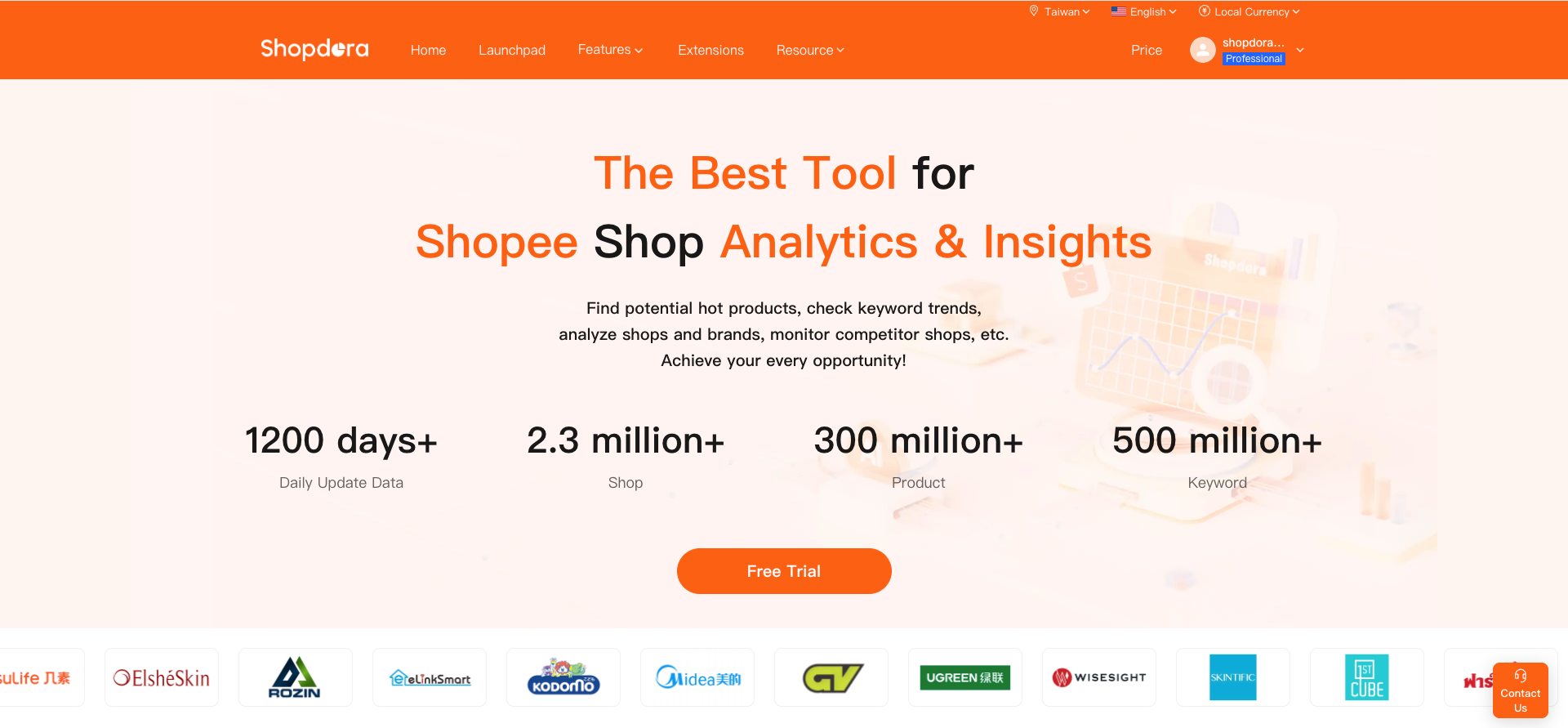
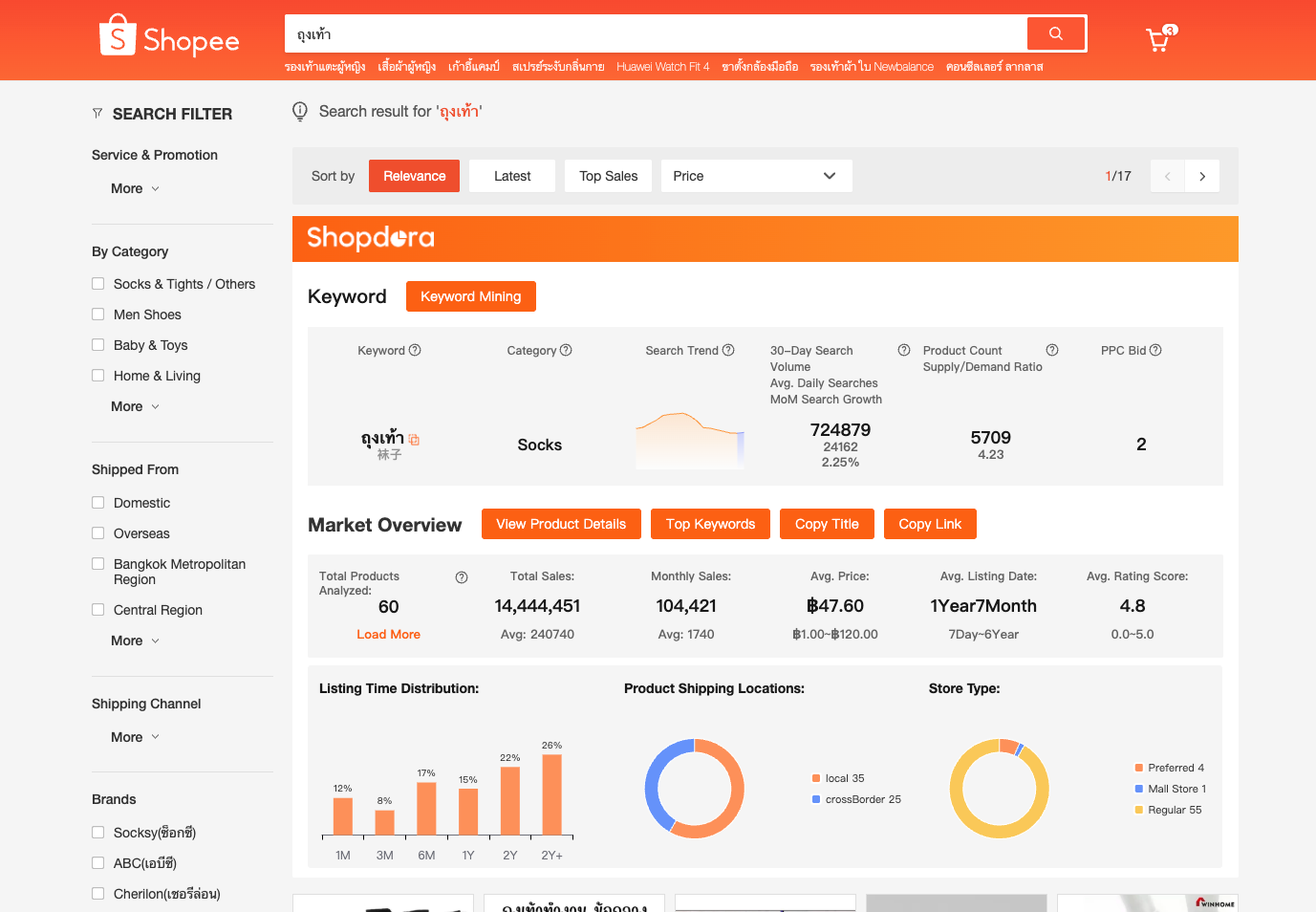
Shopdora offers the most comprehensive Shopee keyword tool in 2026, providing platform-level keyword data with real search volumes across 9+ Shopee markets.
Key Features:
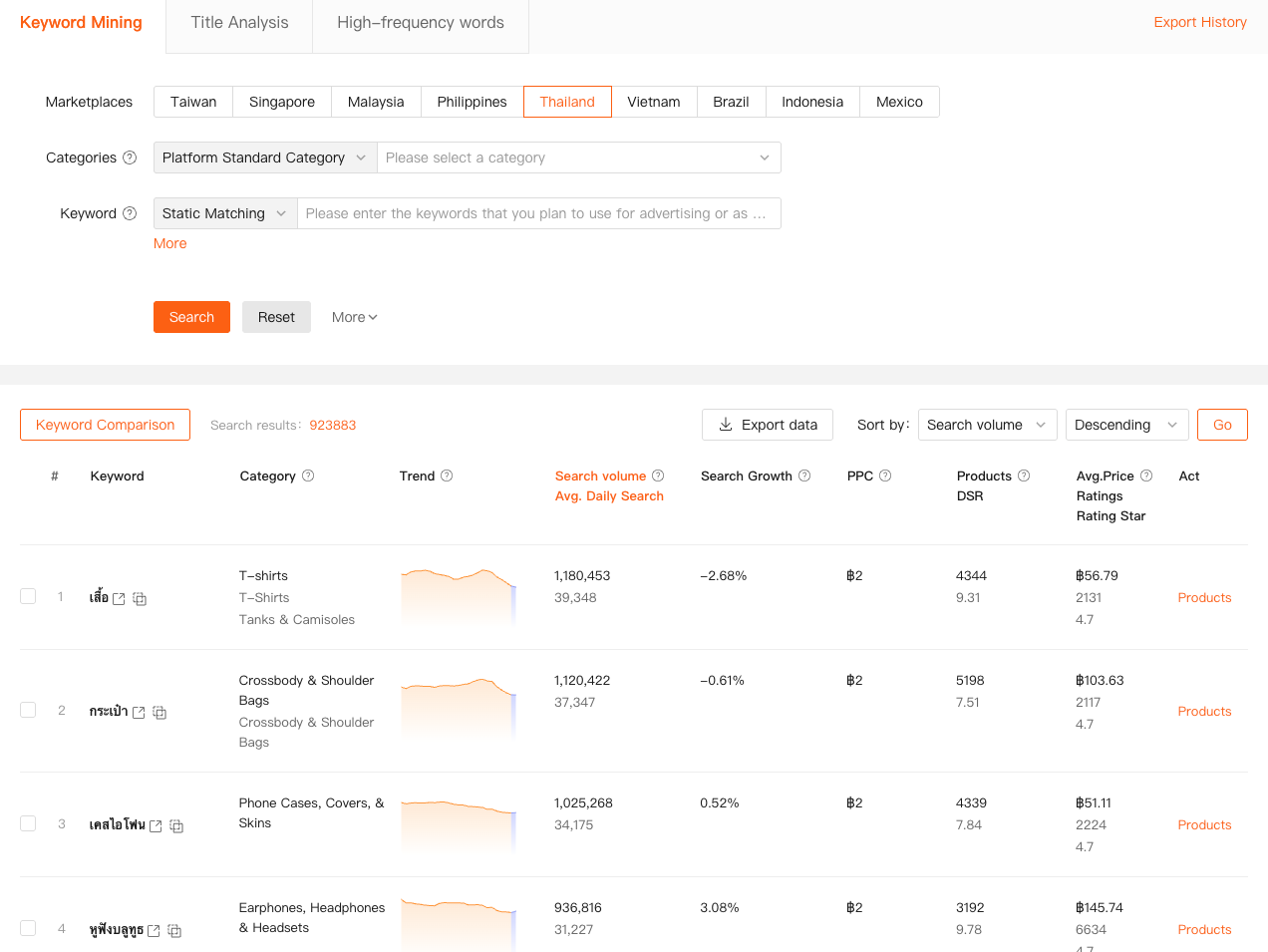
Keyword Mining
- Access real search volume data for thousands of keywords
- View keyword trends and growth rates over time
- See PPC costs for paid advertising planning
- Filter keywords by market, category, and performance metrics
- Reverse-engineer competitor keyword strategies by pasting product links
Keyword Analysis
- Discover high-opportunity keywords with low competition
- Identify trending keywords before they become saturated
- Analyze keyword difficulty scores
- Track keyword performance over time
Title Analysis
- Evaluate whether your product titles effectively cover relevant keywords
- Identify keyword utilization rate and redundancy
- Get optimization suggestions for maximum traffic capture
- Compare your titles against top-ranking competitors
Traffic Analysis Integration
- See which keywords actually drive traffic to products
- Identify non-traffic hot keywords (opportunity keywords)
- Find unused hot keywords your competitors are missing
- Separate organic traffic from paid advertising traffic
Multi-Market Support
- Keyword data for 9+ Shopee markets
- Compare keyword performance across different countries
- Identify market-specific opportunities
- Unified interface for all markets
Why Shopdora Stands Out:
Unlike basic keyword tools that only show search volumes, Shopdora provides actionable insights by combining keyword data with product performance, competitor analysis, and traffic sources. The ability to reverse-engineer successful listings by simply pasting a product URL makes it incredibly efficient for competitive research.
The Chrome extension integrates directly into Shopee product pages, showing keyword data in real-time as you browse, which streamlines your research workflow significantly.
2. Shopee Official Selling Coach
Access: Shopee Seller Center (free for all sellers)
Shopee's built-in Selling Coach provides basic keyword suggestions:
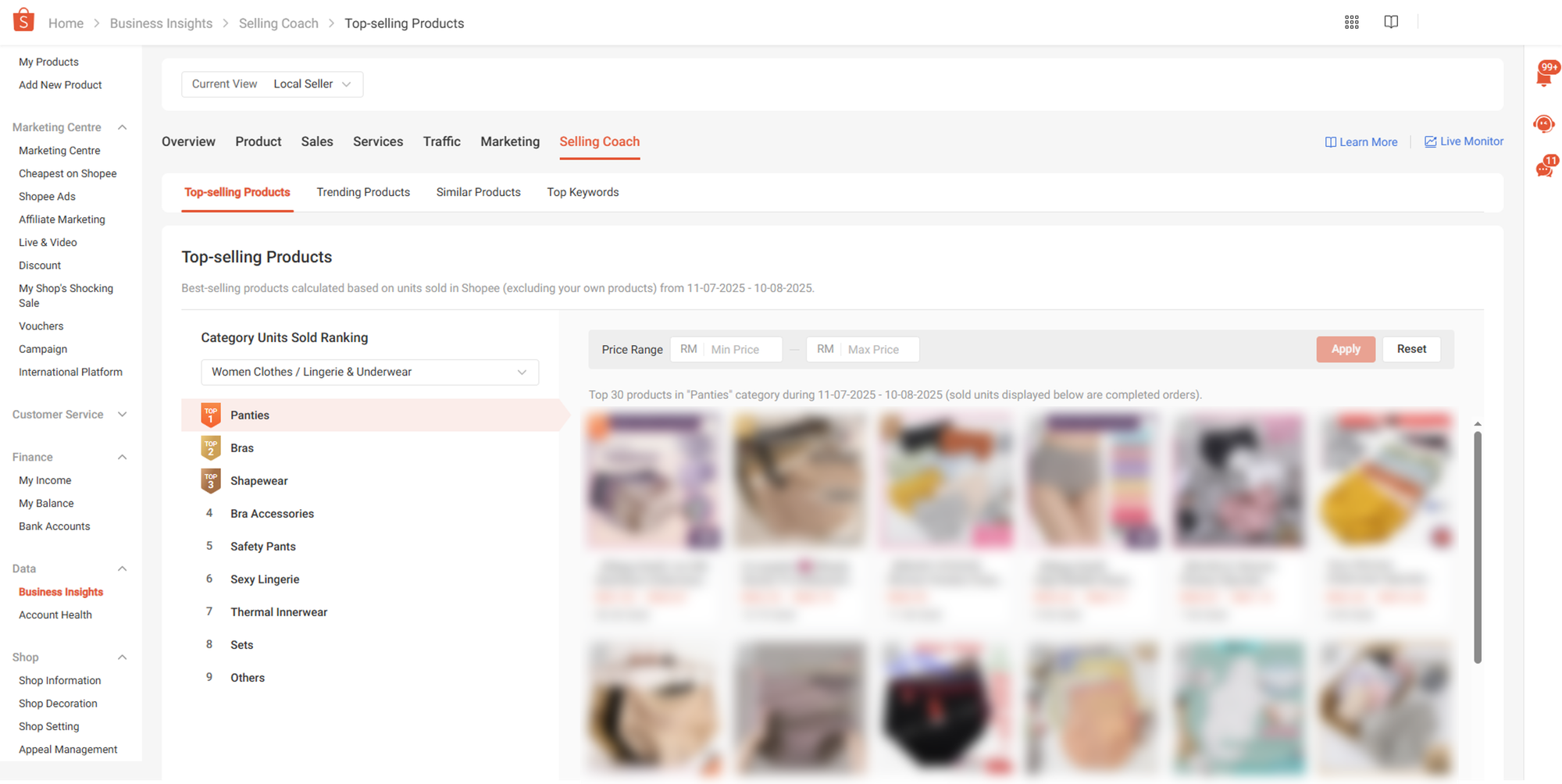
Features:
- Top keywords in your category
- Trending search terms
- Keyword suggestions for your listings
- Performance data for your own products
Limitations:
- No search volume data
- Limited to your category
- No competitor keyword analysis
- No historical trends
- Basic suggestions only
Best Used For: Getting started with keyword ideas and understanding Shopee's official recommendations.
3. Google Keyword Planner (Supplementary Tool)
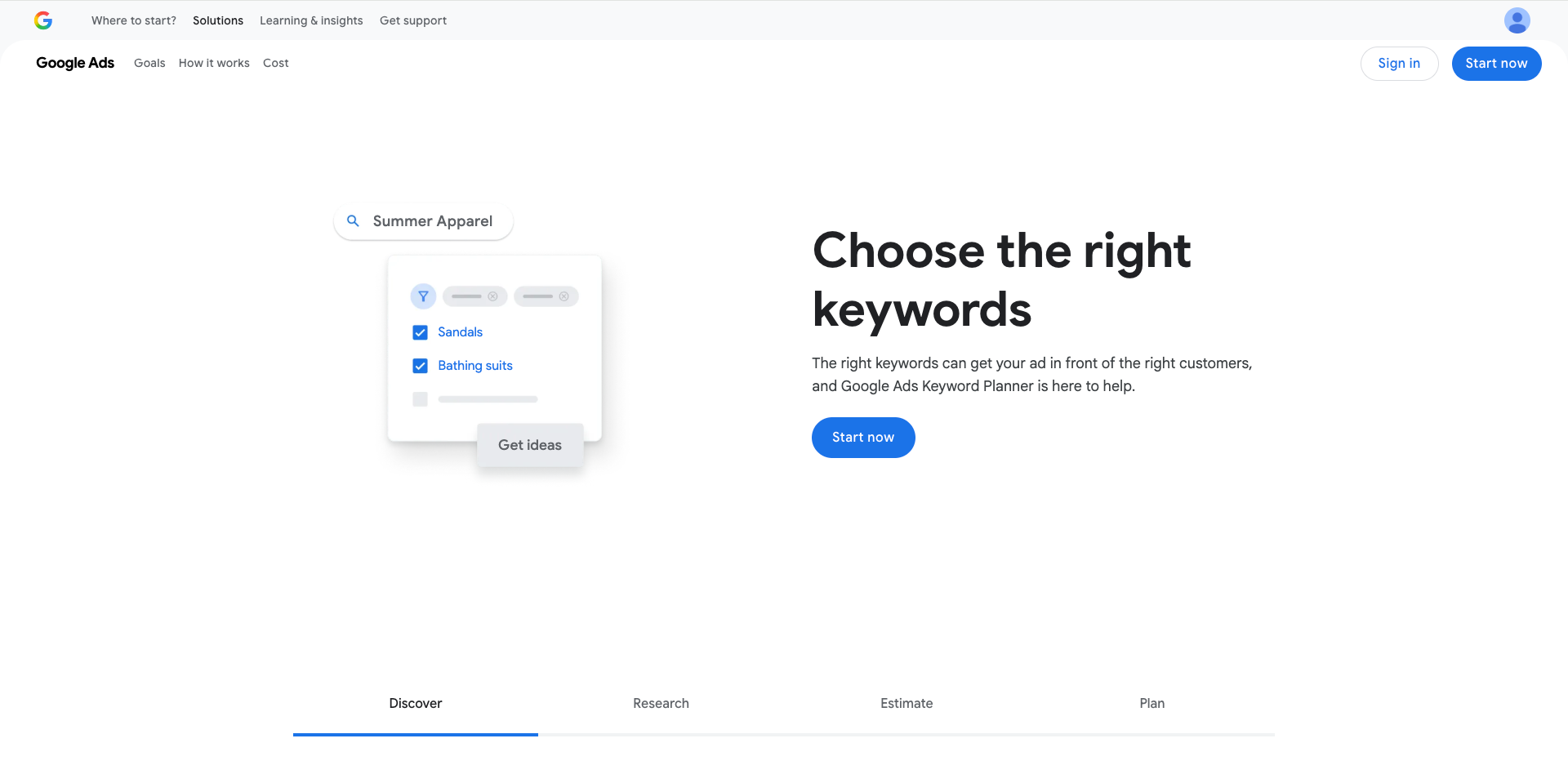
While not Shopee-specific, Google Keyword Planner can provide supplementary insights:
Useful For:
- Understanding broader search trends
- Identifying seasonal patterns
- Researching related keywords
- Cross-platform keyword validation
Limitations:
- Not Shopee-specific data
- Search volumes are for Google, not Shopee
- Doesn't reflect Shopee buyer behavior
Choosing the Right Shopee Keyword Tool
For Most Sellers: Shopdora provides the best combination of features, accuracy, and value. The free plan is sufficient for beginners, while the premium plan ($29/month) offers advanced features that typically pay for themselves within the first month through better product selection and optimization.
For Budget-Conscious Beginners: Start with Shopee Selling Coach (free) combined with Shopdora's free plan to get basic keyword insights without any investment.
For Established Sellers: Shopdora Premium is essential for competitive intelligence, multi-market expansion, and systematic keyword tracking.
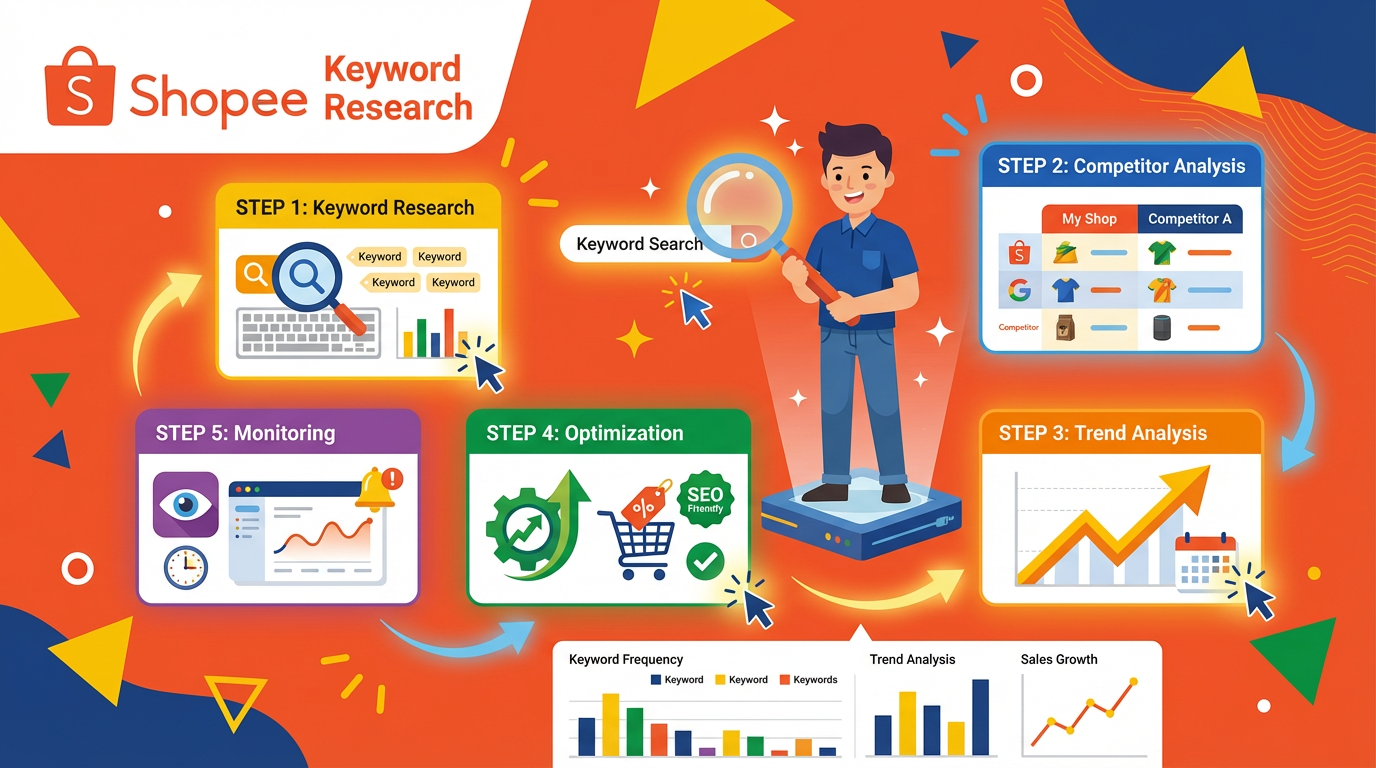
Step-by-Step Shopee Keyword Research Process
Step 1: Define Your Product and Target Market
Before diving into keyword research, clearly define:
- What you're selling: Specific product type, features, benefits
- Target market: Which Shopee country (Taiwan, Thailand, Brazil, etc.)
- Target audience: Demographics, preferences, pain points
- Price range: Budget, mid-range, or premium positioning
This foundation ensures your keyword research stays focused and relevant.
Step 2: Generate Seed Keywords
Start with basic terms that describe your product:
Brainstorm Method:
- Write down 5-10 obvious terms for your product
- Include product type, category, and main features
- Think about how customers would describe it
- Consider different variations and synonyms
Example for Phone Cases:
- phone case
- mobile case
- phone cover
- protective case
- smartphone case
Step 3: Use Shopdora Keyword Tool for Data
Now expand your seed keywords using a Shopee keyword tool:
In Shopdora:
- Navigate to Keyword Mining
- Select your target Shopee market
- Enter your seed keyword
- Set filters for search volume and competition
- Analyze the Results
- Review search volumes for each keyword
- Check trend direction (growing, stable, declining)
- Note competition levels
- Identify related keywords you hadn't considered
- Export Promising Keywords
- Create a spreadsheet with your findings
- Include: keyword, search volume, trend, competition level
- Prioritize by opportunity score
What to Look For:
- Rising trend indicators (emerging opportunities)
- Low to medium competition (easier to rank)
- High relevance to your product (accurate match)
Step 4: Analyze Competitor Keywords
Understanding what keywords your competitors rank for reveals market opportunities:
Using Shopdora's Reverse Engineering:
- Find Top-Ranking Competitors
- Search for your main keyword on Shopee
- Identify the top 5-10 listings
- Copy their product URLs
- Extract Their Keywords
- Paste competitor URLs into Shopdora's keyword tool
- View all keywords they're targeting
- See which keywords drive their traffic
- Identify gaps in their strategy
- Identify Opportunities
- Keywords they rank for that you don't
- High-volume keywords they're missing
- Long-tail variations with less competition
- Emerging keywords they haven't optimized for yet
Step 5: Evaluate Keyword Intent and Relevance
Not all high-volume keywords are worth targeting. Evaluate each keyword for:
Purchase Intent:
- "buy phone case" = high intent
- "phone case ideas" = low intent (browsing)
- "best phone case" = medium intent (researching)
Relevance Score:
- Does this keyword accurately describe your product?
- Would someone searching this term want to buy what you're selling?
- Is the search intent aligned with your offering?
Competition Reality Check:
- Can you realistically compete for this keyword?
- Do top-ranking listings have significantly more reviews/sales?
- Is the keyword dominated by established brands?
Step 6: Organize Keywords by Priority
Create a tiered keyword strategy:
Tier 1 - Primary Keywords (3-5 keywords)
- Highest relevance to your product
- Decent search volume (500+ monthly searches)
- Manageable competition
- Use in product title and main description
Tier 2 - Secondary Keywords (10-15 keywords)
- Good relevance, moderate volume
- Include in product description and attributes
- Support your primary keywords
Tier 3 - Long-Tail Keywords (20-30 keywords)
- Specific, lower volume terms
- Lower competition, higher conversion
- Use throughout description and backend keywords
Step 7: Monitor and Refine
Keyword research isn't a one-time task:
Weekly Monitoring:
- Track your ranking for target keywords
- Monitor traffic and conversion rates
- Identify which keywords drive actual sales
Monthly Optimization:
- Add new trending keywords
- Remove underperforming keywords
- Adjust based on seasonal changes
- Update listings with fresh keyword data
Quarterly Strategy Review:
- Analyze overall keyword performance
- Identify new market opportunities
- Adjust strategy based on competition changes
- Expand to new keyword territories
Advanced Keyword Research Strategies
Strategy 1: Seasonal Keyword Planning
Anticipate seasonal demand by analyzing Shopee data trends:
Process:
- Identify seasonal keywords in your niche (Christmas, summer, back-to-school)
- Check historical trend data to see when searches spike
- Prepare inventory and optimize listings 4-6 weeks before peak season
- Create seasonal variations of your main products
Example: If selling phone cases, create "Christmas gift phone case" listings in October, optimized for holiday keywords.
Strategy 2: Gap Analysis
Find keywords your competitors are missing:
Method:
- Analyze top 10 competitors' keyword strategies
- Identify common keywords they all use
- Find high-volume keywords none of them target
- Create listings specifically optimized for these gap keywords
This strategy helps you capture traffic that competitors are leaving on the table.
Strategy 3: Long-Tail Keyword Stacking
Combine multiple long-tail keywords to capture niche traffic:
Example:
Instead of just "phone case", target:
- "waterproof shockproof phone case iphone 14"
- "clear transparent phone case with card holder"
- "cute cartoon character phone case for girls"
Each long-tail keyword has lower competition but collectively drives significant targeted traffic.
Strategy 4: Cross-Market Keyword Opportunities
If selling in multiple Shopee markets, identify keywords that perform well in one market but are underutilized in others:
Process:
- Use Shopdora to compare keyword data across markets
- Find successful keywords in Market A
- Check if competitors in Market B are using them
- Adapt and optimize for Market B
This strategy is particularly effective for expanding from Southeast Asia to Latin America or vice versa.
Common Keyword Research Mistakes to Avoid
Mistake 1: Ignoring Search Volume Data
Problem: Optimizing for keywords nobody searches for
Solution: Always verify search volume using a Shopee keyword tool before committing to keywords
Mistake 2: Keyword Stuffing
Problem: Cramming too many keywords into titles and descriptions, making them unreadable
Solution: Use keywords naturally. Prioritize readability and customer experience over keyword density
Mistake 3: Targeting Only High-Competition Keywords
Problem: New sellers trying to rank for keywords dominated by established sellers
Solution: Start with low-competition long-tail keywords, build authority, then target competitive terms
Mistake 4: Neglecting Keyword Maintenance
Problem: Setting keywords once and never updating them
Solution: Regularly review and update keywords based on performance data and market trends
Mistake 5: Copying Competitors Blindly
Problem: Using the exact same keywords as competitors without differentiation
Solution: Learn from competitors but find unique angles and underutilized keywords
Mistake 6: Ignoring Buyer Intent
Problem: Targeting high-volume keywords with low purchase intent
Solution: Prioritize keywords that indicate buying intent, even if volume is lower
Conclusion: Master Shopee Keywords to Dominate Your Niche
Keyword research is the foundation of Shopee success in 2026. By leveraging the right Shopee keyword tool and systematically analyzing Shopee data, you can:
- Discover profitable product opportunities before your competition
- Optimize listings for maximum visibility and conversions
- Make data-driven decisions instead of relying on guesswork
- Build a sustainable competitive advantage in your niche
Your Action Plan:
- This Week: Sign up for Shopdora's free plan and conduct keyword research for your top 3 products
- This Month: Optimize your existing listings with researched keywords and track performance
- Ongoing: Establish a weekly keyword monitoring routine and monthly optimization schedule
Remember: The difference between struggling sellers and successful ones often comes down to information. Those who master keyword research gain visibility, attract qualified buyers, and build thriving businesses on Shopee.
Ready to start?
Visit Shopdora.com to access the most comprehensive Shopee keyword tool available in 2026. Start with the free plan—no credit card required—and begin discovering the keywords that will transform your Shopee business.
Shopdora
The Best Shopee analytic tool
Free trial
Article last updated: February 2026
All tools and data verified as of publication date
Related Resources: