
Shopee Price Tracker: How Smart Sellers Monitor Competitor Pricing Without Racing to the Bottom
Hi, I’m David.
I’ve been selling on Shopee for over three years now, running my own store and making pricing decisions the hard way—through trial, error, and more price wars than I’d like to admit. Early on, I believed what many sellers believe: if a competitor cuts price, you respond fast or you lose traffic. That mindset nearly burned my margins more than once.
It took time for me to realize that tracking price is not the same as understanding price movement. And that distinction is exactly what most Shopee sellers miss when they search for a “Shopee price tracker.”

Why Most Sellers Track Prices the Wrong Way
Most sellers “track” prices by checking competitor listings manually or saving screenshots. Some refresh the app daily. Others rely on gut feeling—assuming competitors are always undercutting them.
The problem is that isolated price checks don’t tell a story.
You don’t know whether a competitor’s price drop is:
- A temporary promotion
- A response to slowing demand
- Part of a longer-term repositioning strategy
Without historical context, every price change feels urgent. And urgency leads to bad decisions—panic discounts, unnecessary ad spending, or racing competitors straight to zero margin.
What sellers actually need isn’t just a price tracker. They need price context over time.
Turning Price Tracking Into a Strategic Signal
When I started using Shopdora, the biggest change wasn’t seeing prices—it was seeing how prices evolved alongside sales and rankings.
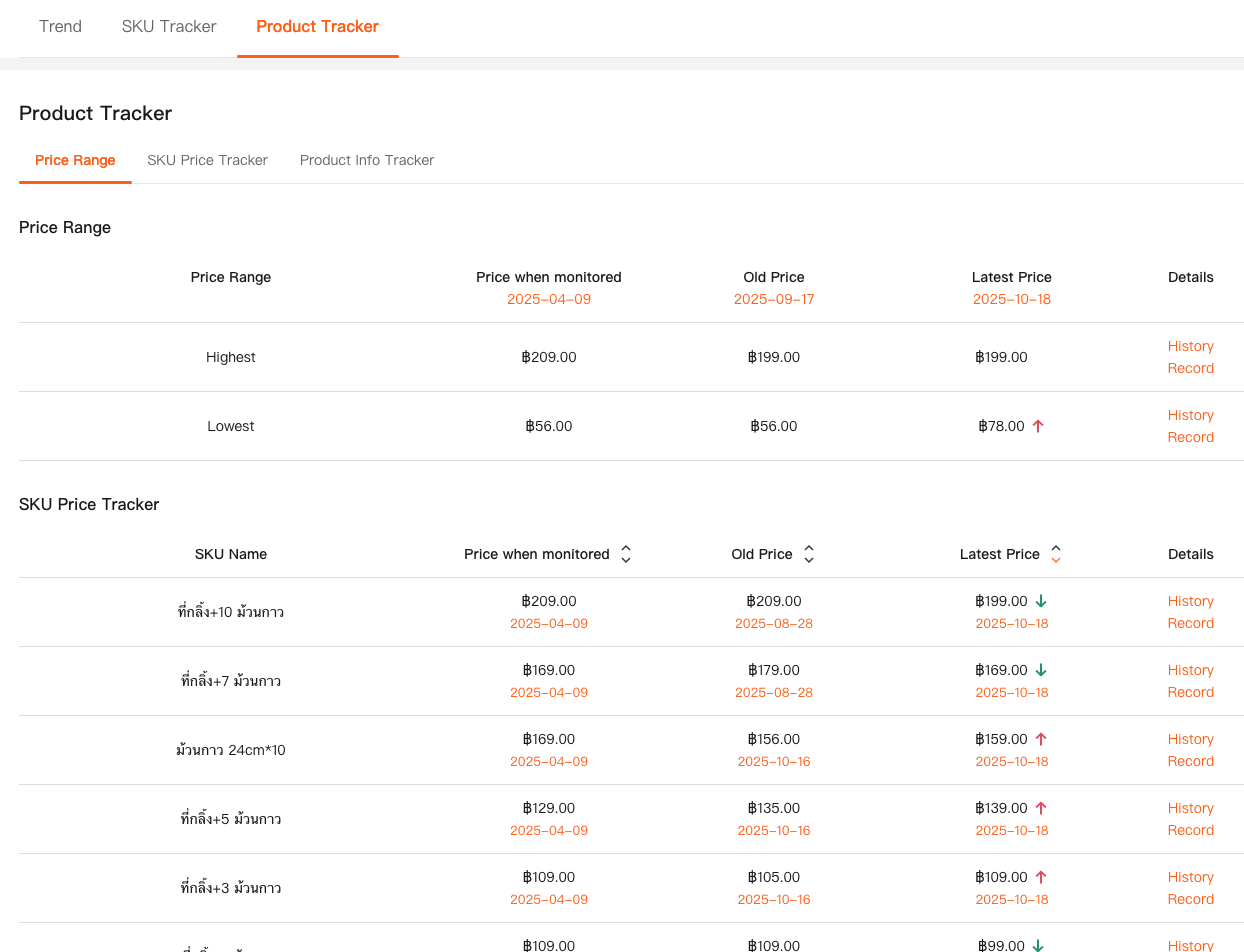
Through Comprehensive Analysis - Product Tracker, I could monitor competitor products over time instead of reacting to snapshots. Price became one variable in a bigger picture that included sales trends, ranking movement, and product lifecycle stage.
That changed how I interpreted price changes.
A competitor lowering price while sales remain flat tells a very different story from a price drop followed by ranking growth. In the first case, demand might be weakening. In the second, they may be buying market share intentionally.
This kind of historical tracking turns pricing from an emotional trigger into a measurable signal.
Why Price Alone Is Never the Full Answer
One of the most common mistakes I see sellers make is assuming that lower price equals higher sales.
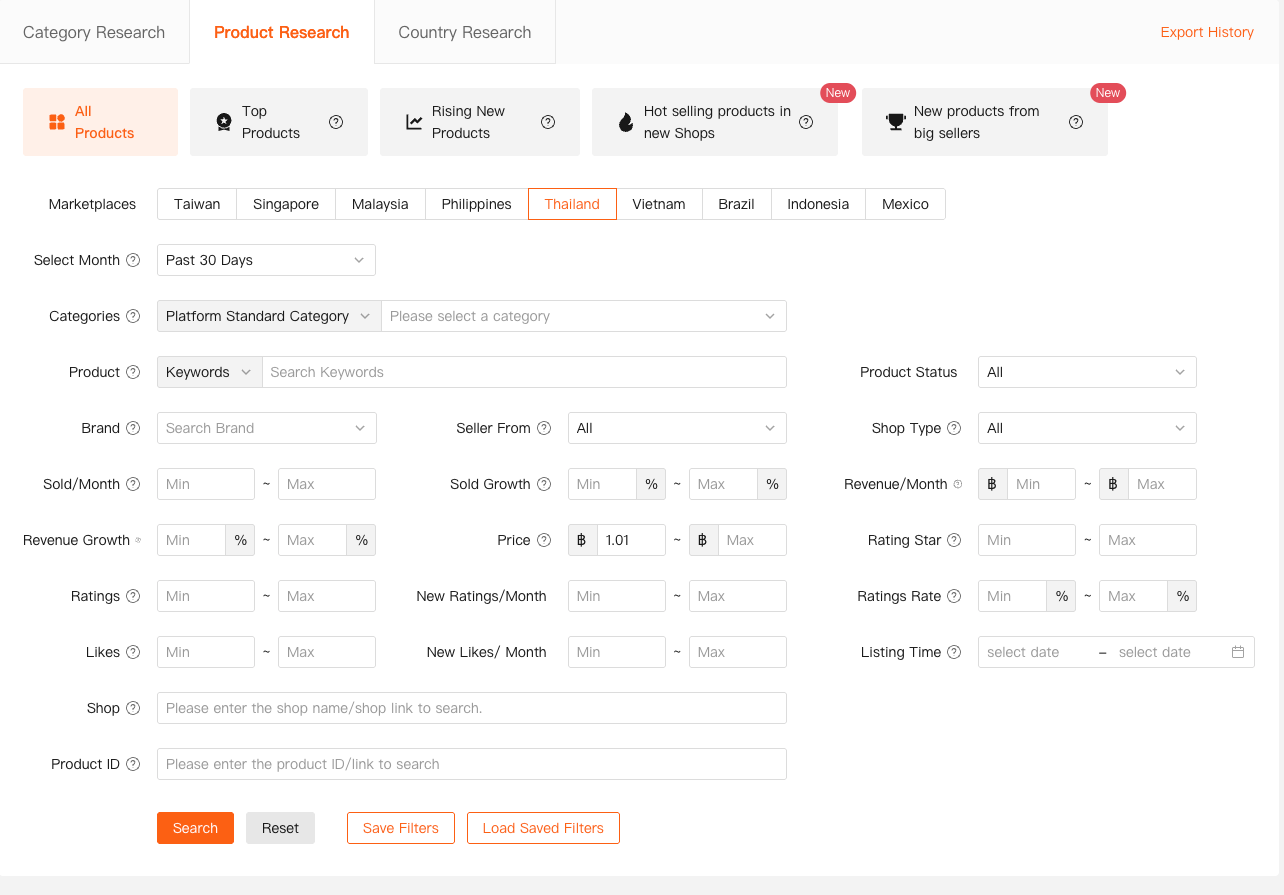
Using Product Research, I began comparing not just individual competitors, but entire price ranges within a category. This allowed me to see how different price bands performed in terms of volume and revenue.
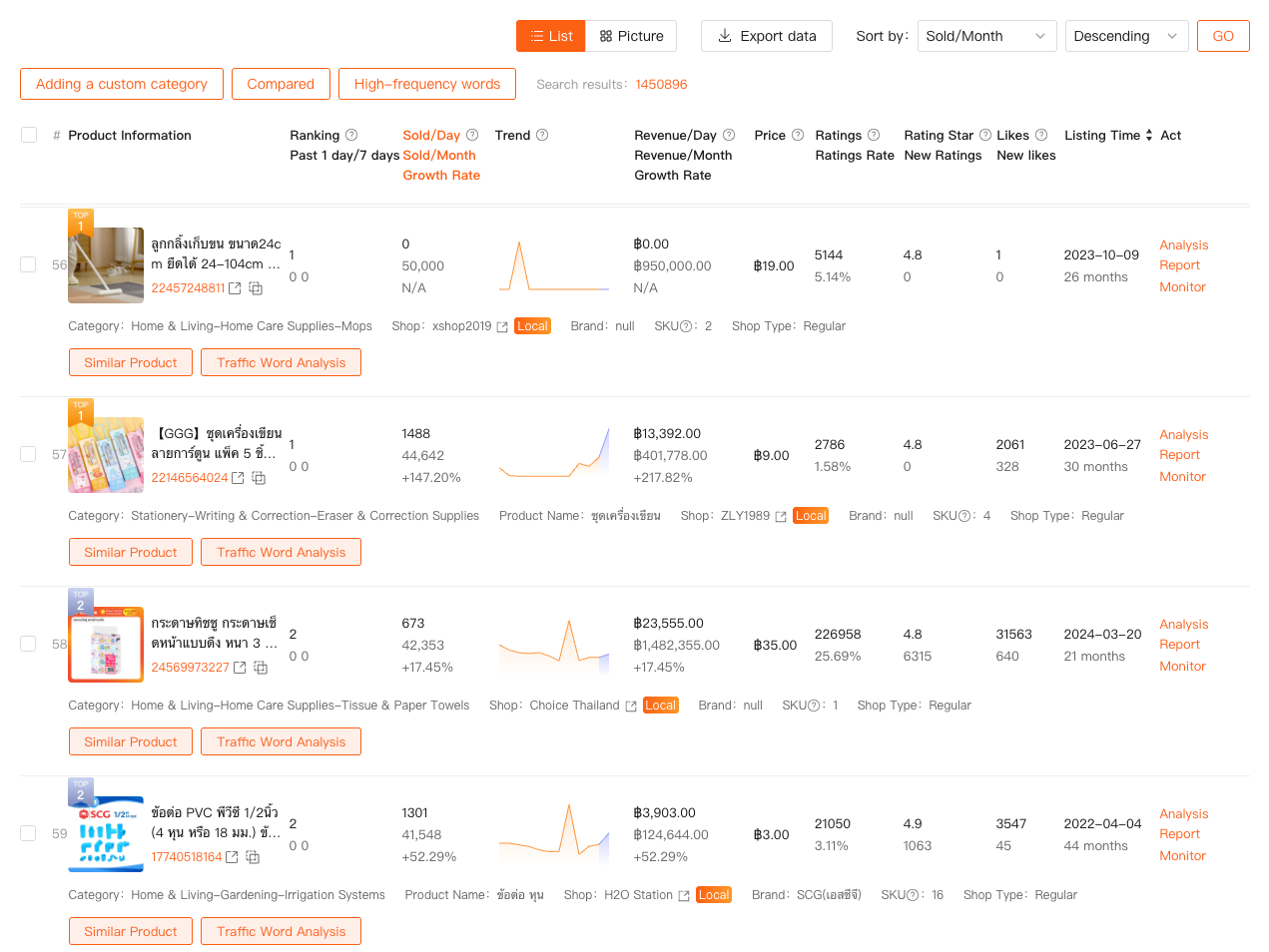
What surprised me early on was how often the cheapest products were not the top sellers.
In many categories, mid-priced products with stable sales histories performed better than aggressively discounted ones. That insight completely changed how I positioned my own listings. Instead of chasing the lowest price, I focused on staying competitive within a profitable range that the market already accepted.
A proper Shopee price tracker should help you identify those ranges—not push you into endless undercutting.
Tracking Price Changes in Relation to Market Trends
Price movements rarely happen in isolation.
By combining Market Analysis with product-level tracking, I could see whether price changes were driven by:
- Increased competition in the category
- Seasonal demand shifts
- New product entries changing perceived value
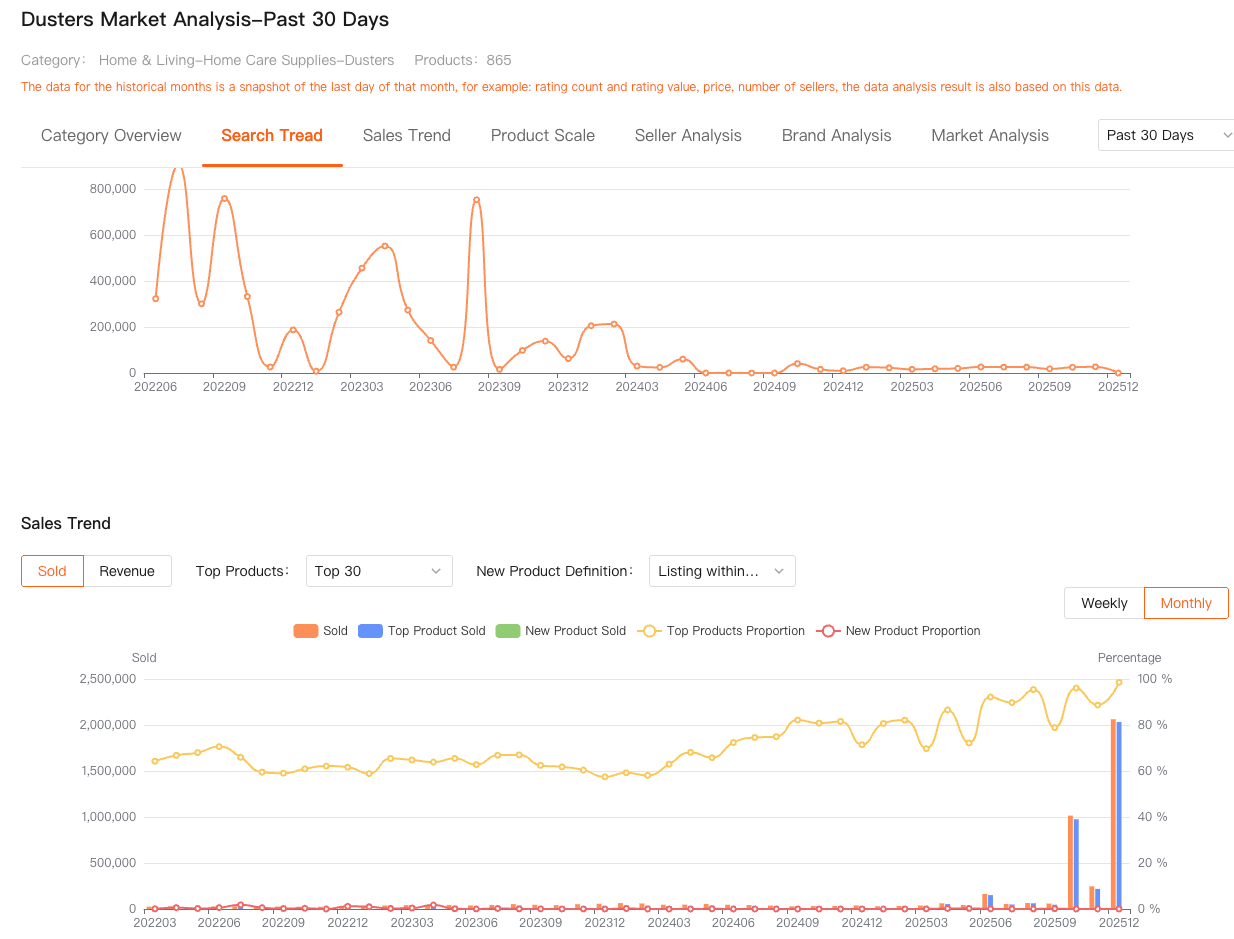
For example, when multiple competitors adjust prices around the same time, it’s often a signal that the category itself is shifting—not that a single seller made a clever move.
This perspective matters because it prevents misinterpretation. Instead of reacting to one competitor’s pricing, you’re responding to market structure.
How I Use Price Tracking in My Weekly Routine
Today, price tracking is part of my weekly review—not a daily obsession.
I monitor:
- Long-term price trends of key competitors
- How price changes align with sales and ranking movement
- Whether price pressure is increasing or stabilizing within the category
Because Shopdora keeps historical data visible, I don’t rely on memory or manual notes. I can see whether a competitor’s “cheap price” is actually new—or something they’ve maintained for months with limited success.
This helps me avoid unnecessary reactions and focus on changes that actually matter.

Avoiding the Race to the Bottom
The biggest benefit of structured price tracking is confidence.
When you understand how competitors price over time—and how the market responds—you stop reacting impulsively. You stop copying temporary discounts. You stop assuming cheaper always wins.
Instead, you make pricing decisions that align with:
- Your product’s lifecycle stage
- Market demand trends
- Competitive density within your category
That’s the difference between tracking prices and using price intelligence
Final Thoughts From a Seller Who Learned This the Hard Way
If you’re searching for a Shopee price tracker, my honest advice is this: don’t look for something that just shows you numbers. Look for something that shows you patterns.
Price changes tell stories—but only if you watch them long enough and in the right context.
I’m David. I still monitor competitors. I still adjust prices when the market demands it. But I no longer panic when someone undercuts me overnight. Because now, I understand why prices move—and when they actually matter.
And that understanding has been far more valuable than any one-time price check.