
Shopee Seller Product Research: Use “Traffic Sink” Strategy to Find Hidden Low-Competition Winners

When it comes to product research, many Shopee sellers share the same frustration — everything feels saturated.
Every category looks competitive, every trending item already has dozens of sellers, and every keyword seems like a red ocean.
But beyond copying competitors or scanning top charts, there’s another practical strategy that I’ve been using recently — something I call the “Traffic Sink” Method.
It’s not a magic trick or a marketing buzzword. It’s a simple data-driven approach: finding keywords where traffic naturally “sinks” — and using those to uncover overlooked, high-potential products.

🔍 1. What Are “Traffic Sink” Keywords?
In Shopee’s search ecosystem, not all keywords directly lead to conversions.
Some have high search volumes but low purchase intent. For example:
“gift for friends,” “gift for kid,” or “daily necessities.”
When buyers use these search terms, they’re usually browsing for inspiration, not ready to buy.
However, this low purchase intent also means low competition, which creates an opening for new listings to gain organic visibility.
For instance, using Shopdora’s keyword research tool, I filtered keywords from the Philippines site — starting from page one and scrolling downward — and discovered an interesting term: “personalized gift.”
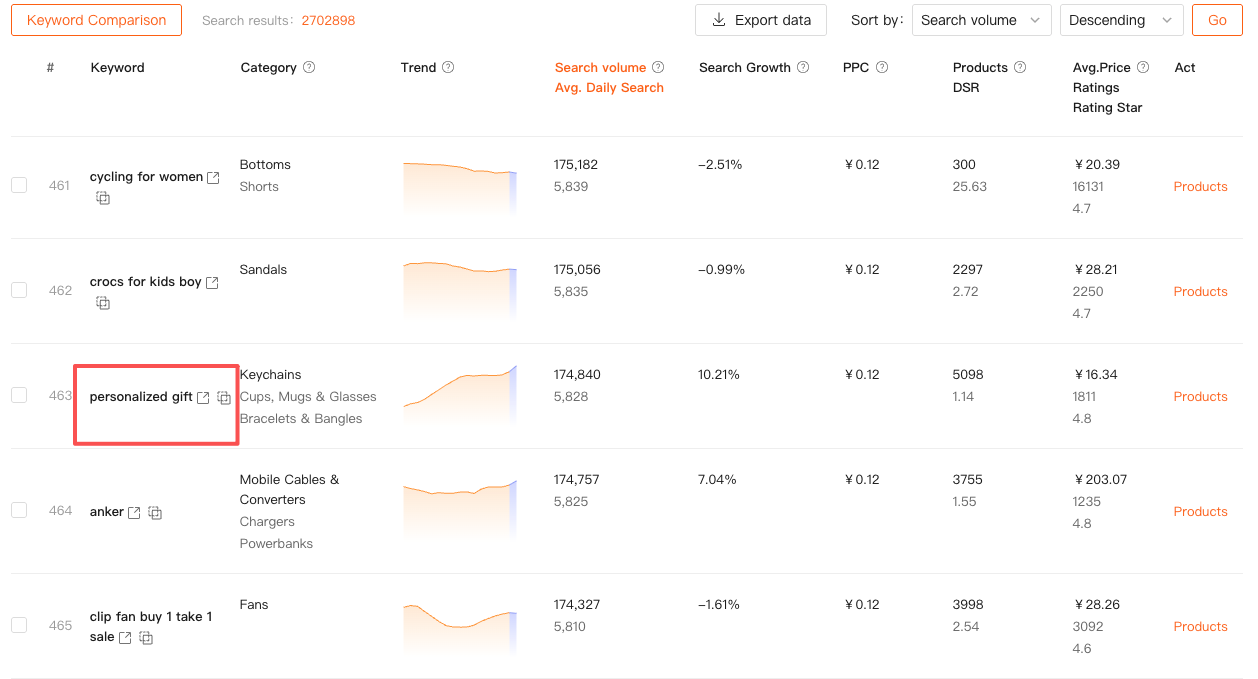
Next, I searched the keyword directly on Shopee’s front end to evaluate the actual product landscape and identify possible “opportunity products.”
💡 2. Identifying “Opportunity Products”
Once you’ve found a keyword, the next step is to evaluate whether there’s real potential behind it.
Here are the three main criteria I use when spotting an opportunity product 👇
1️⃣ It appears under a popular keyword, but has fewer than 150 reviews.
2️⃣ It ranks organically, not through ads.
3️⃣ Its price looks reasonable — without relying on heavy discounts to stay visible.
For example (just for illustration, not a product recommendation):
I came across a product with 7K+ sales and only 55 reviews, appearing on the first few pages of search results.
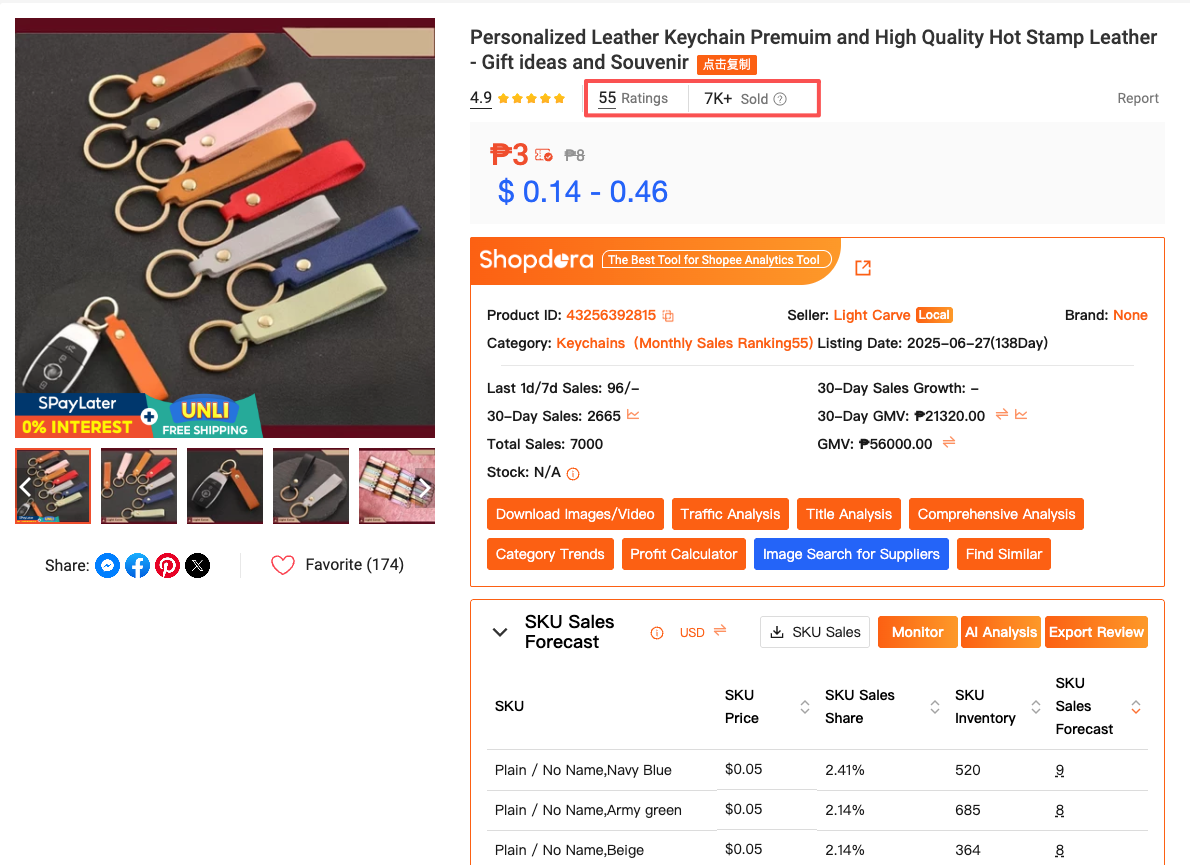
After checking it with the Shopdora browser plugin, I saw that it was listed in June, started getting consistent sales around October, and maintained stable pricing — meaning it wasn’t competing purely through discounts.
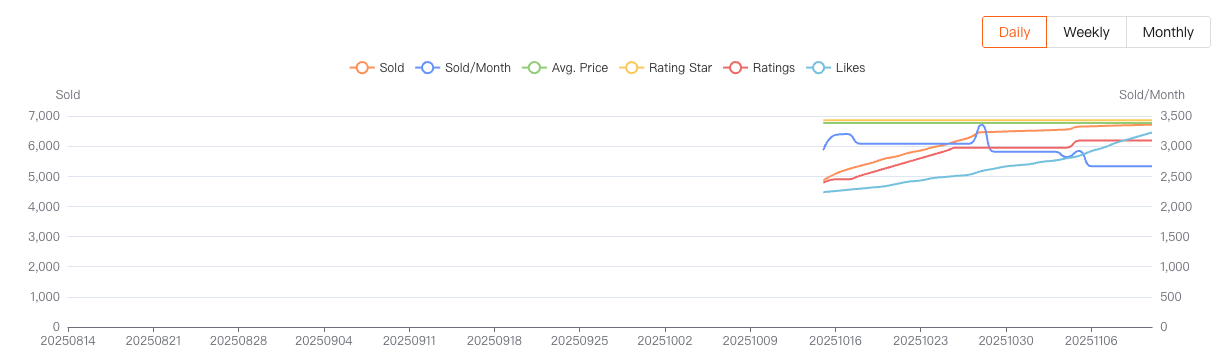
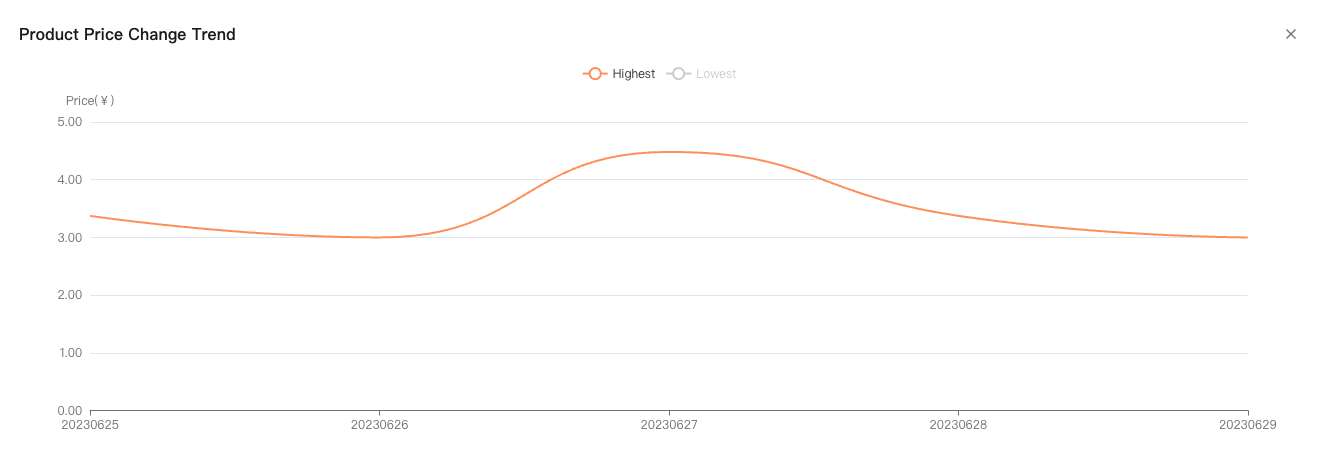
That usually indicates two possibilities:
- It recently caught a rising traffic wave
- The seller increased ad investment effectively.
Either way, this kind of listing signals a potential entry point — though in this case, the price was too low to be profitable for cross-border sellers, so I’d move on to the next option.
📊 3. Analyzing Core Keyword Performance
If the product meets your margin and sourcing expectations, the next step is to analyze its core keyword performance.
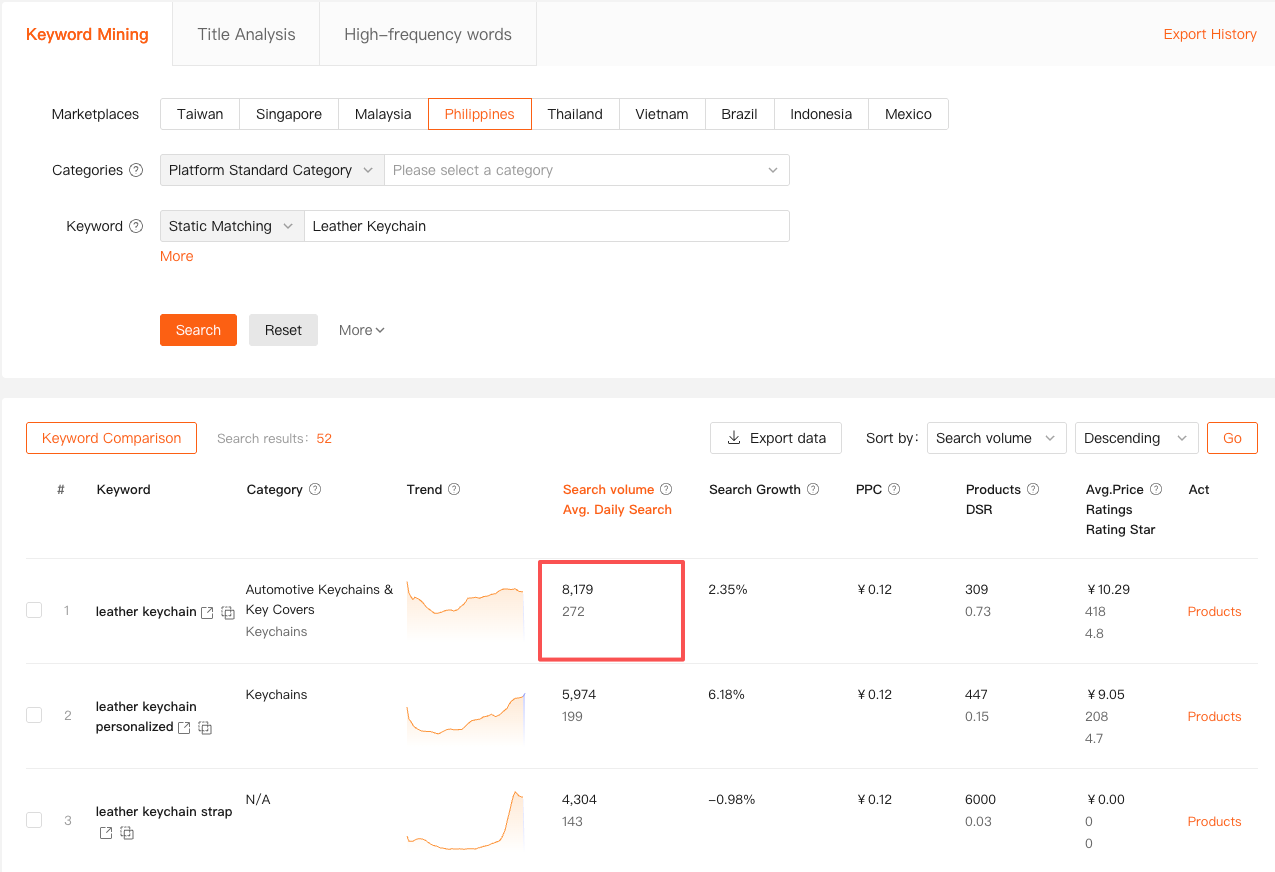
In this example, the keyword “Leather Keychain” has around 8,000 monthly searches on the 🇵🇭 Shopee Philippines site.
That’s moderate traffic — not too high, not too small.
Its product-to-demand ratio (average daily searches ÷ total listings) is around 0.73, meaning competition is manageable.
With healthy margins and decent demand, this keyword could be worth entering — though you should also weigh other factors like supply chain, differentiation, and product lifecycle.
💡Takeaway: Let Data Lead, But Product Wins
At its core, this method isn’t about algorithms — it’s about returning to product fundamentals.
No matter how Shopee’s rules change, what truly convinces a buyer is still the same:
a product that genuinely solves a problem or sparks emotion.
You need to know what makes your product win.
Is it price, design, function, or a small pain point it perfectly solves?
Once you identify that, your data analysis becomes purposeful instead of mechanical.
That said, this strategy doesn’t apply equally to all categories.
Highly seasonal products — like Christmas decor or winter heaters — have short sales cycles and unstable demand.
In those cases, quick action during peak season works better than long-term optimization.
In the end, the “Traffic Sink” method helps you uncover products that buyers didn’t even realize they wanted — the kind that makes them pause while scrolling and think,
“Wait, this actually looks useful.”
That’s the hidden secret behind Shopee’s next winning product.

⚠️ Note: The example products mentioned above are for demonstration only — not product recommendations.
All data and screenshots are based on insights from Shopdora, a product research and analytics tool designed for Shopee sellers.