
Shopee Sellers:Stop Treating Seasonal Products Like Normal Ones!
If you’ve sold on Shopee for a while, you’ve probably experienced the classic frustrations: sales explode during peak months and instantly crash afterward; stocking too much leads to dead inventory, stocking too little leads to painful sell-outs; ads burn money without bringing proportional returns.
These issues all point to one fundamental truth: seasonal products and evergreen products are not built on the same operating logic. And yet, many Shopee sellers unknowingly apply the same strategy to both, which is why results often feel unpredictable.
Today, based on a framework I recently came across, I’m turning it into a fully Shopee-specific guide that you can use immediately. By the end, you’ll clearly understand:
- how seasonal products should be planned, launched, and marketed
- how evergreen products grow steadily through long-term operations
- how inventory, ads, pricing, reviews, and timing differ dramatically between the two
If you sell Christmas items, Halloween decorations, cooling products, heaters, rain-season essentials, travel accessories, or anything with traffic spikes tied to specific months, this breakdown will save you money—and a lot of unnecessary frustration.
The First Big Difference: Timing and Momentum
Seasonal products revolve around a single principle: everything must happen early.
You don’t get multiple chances across the year; you get one short window when traffic peaks, conversions skyrocket, and demand is high enough to tolerate a higher price.
To capture that window, a Shopee seller needs to think in four stages: pre-season preparation, pre-peak ramp-up, peak season explosion, and the post-season cooldown. During preparation, your sole objective is to build enough basic sales and reviews so Shopee’s algorithm understands your listing. When the two-week ramp-up arrives and search volume climbs, you push harder—editing your listings, tightening keywords, and ramping ads so the product climbs into strong positions before the wave hits.
Once peak season arrives, traffic is often at its highest of the entire year. Ads convert better, shoppers buy faster, and demand justifies a more flexible pricing strategy. Afterward, when the season closes, traffic drops sharply and any leftover stock becomes a liability. This is why timing—not image quality, not keyword strategy—is the real core of seasonal items.
Evergreen products, however, follow a slow-build rhythm. They still go through launch, growth, and stable phases, but traffic is available all year and sales cycles are more predictable. For a Shopee seller working with long-term items, consistency matters more than urgency. You’re not aiming for a seasonal spike—you’re building sustained relevance, stable conversion, and long-term SEO gains.

The Goal and Strategy: Short Bursts vs. Long Games
Seasonal products play a sprint. The goal is simple: grab as much traffic as possible in the shortest time.
To do that, Shopee sellers need to:
- build reviews before the season hits
- use ads not for ROI but for accelerated ranking
- adjust images to show seasonal usage scenarios
- prepare every coupon, bundle, and offer in advance
- optimize keywords toward seasonal intent and long-tail seasonal queries
Evergreen products, on the other hand, rely on cumulative results. The goal becomes stability—expanding keyword coverage, improving click-through rates, maintaining positive reviews, and gradually increasing revenue without over-spending on ads. Evergreen products grow by stacking small wins, not one-time bursts.
Inventory: The Most Underestimated Risk for Seasonal Items
Shopee sellers working with seasonal items face a unique risk: inventory mistakes hit much harder.
Order too little, and you lose your once-a-year chance because replenishing stock on Shopee logistics cycles rarely arrives in time.
Order too much, and everything left after the season instantly becomes dead stock.
This is why seasonal inventory must be front-loaded, deliberate, and data-driven—ideally based on search trends, competitor stock movements, past-year analytics, and pre-season keyword growth.
Evergreen items remove that stress entirely. Stock can be replenished steadily, safety stock can be calculated more comfortably, and demand rarely falls to zero. For evergreen categories, inventory is maintenance—not crisis management.

Ad Strategy: Seasonal Products Need Aggression, Evergreen Needs Stability
Many new Shopee sellers make the mistake of treating seasonal ads like evergreen ads.
They expect a healthy cost-per-order or ROI during the preparation phase—but seasonal items don’t work that way.
During the early stages, ads exist to feed the algorithm: building data, strengthening keyword relevance, and pushing the listing toward better visibility. You may need to raise your CPC, widen your targeting, or increase your budget because the payoff comes later—during the peak surge.
Evergreen products shift the focus entirely. Ads become a long-term profitability tool: keeping a stable ROAS, feeding consistent keyword ranking improvements, and optimizing CTR through better images and copy. The objective is not to “spend fast”—it’s to “spend smart,” and sustainably.
Reviews and Ratings: Seasonal Items Need Them Early
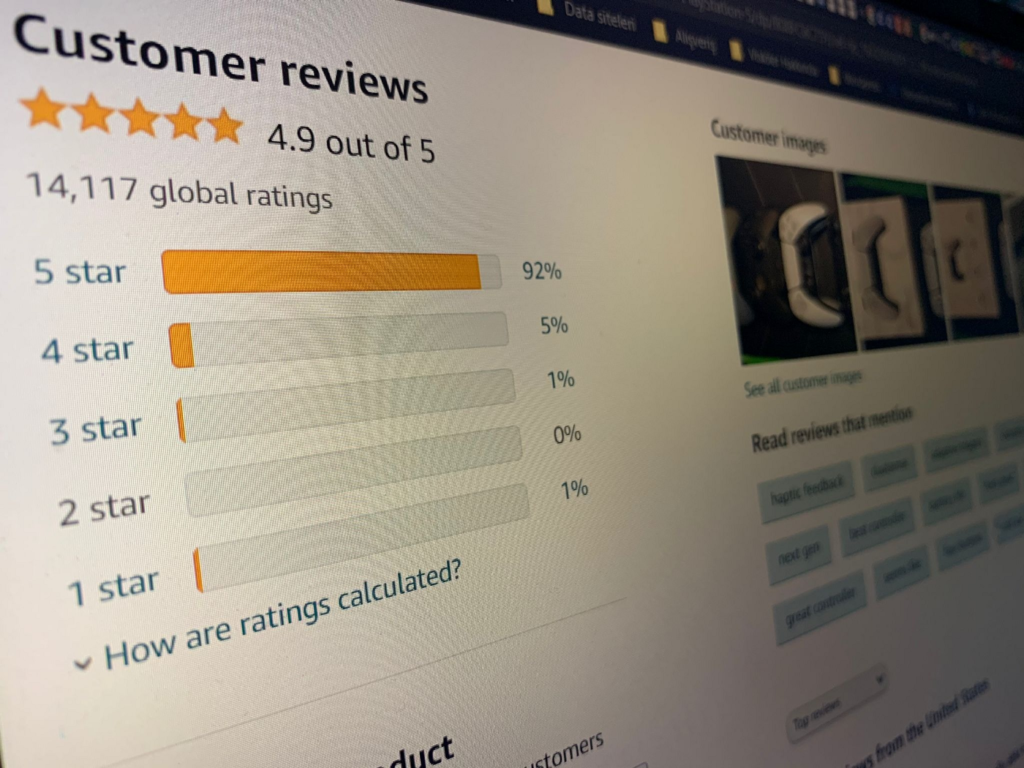
Seasonal products, more than any other category, need reviews before the peak arrives. Shoppers compare aggressively during seasonal periods, and listings without a foundation of ratings fall behind quickly. A Shopee seller preparing for a seasonal launch should aim to collect early reviews, strengthen visual UGC, and highlight seasonal-specific usage in customer photos.
Evergreen products grow their review base naturally. Their priority is not quantity but stability—maintaining strong ratings, improving customer satisfaction, and consistently earning visual feedback over time.
Promotion Strategy: The Best Tools Are Useless If Activated Too Late
On Shopee, promos are powerful—but seasonal items must activate them strategically and early.
Before the season hits, you should already have your new-buyer vouchers, add-on deals, bundles, and discount tiers built. Once the season begins, everything works together to lift conversion rates when shoppers are most willing to buy.
For evergreen items, promotions serve a different purpose: they quietly improve conversion rates and search ranking over time. Small discounts run regularly, major deals align with platform campaigns, and everything supports long-term organic growth.

Final Thoughts: Two Types of Products, Two Completely Different Mindsets
Seasonal items are explosive.
Evergreen items are enduring.
Neither approach is better—what matters is whether a Shopee seller understands the operational logic behind each. Many sellers fail simply because they mix these two models: using slow-burn evergreen tactics on seasonal spikes, or applying aggressive seasonal tactics to evergreen listings that require patience.
And as a few commenters on the original framework noted, the fundamentals never change:
your product must offer real advantages, seasonal logic doesn’t apply to every niche, and ultimately the best-performing products are those that solve vague buyer needs in a way that sparks immediate desire.
Once you understand how these two product types differ in timing, goals, ads, reviews, and inventory, operating on Shopee becomes significantly more predictable—and a lot more profitable.